The Complete Guide to Hiking with Dogs: Tips, Tricks, and Information
 Hiking with dogs can be a fun and rewarding experience for both you and your furry companion. Not only will it give you both some much-needed exercise and fresh air, but it also allows your dog to explore new sights, smells, and sounds in nature. However, there are a few things you should keep in mind to ensure a safe and enjoyable hike for both of you.
Before you head out on the trail, it’s important to make sure your dog is physically fit and prepared for the hike. This means making sure they are up-to-date on all necessary vaccinations, including rabies and Lyme disease, and ensuring they are free from any health issues that could make the hike difficult for them. It’s also a good idea to bring along some basic supplies, such as water, food, a leash, and a first aid kit.
Once you and your dog are prepared, it’s time to hit the trails. Here are a few tips and tricks to keep in mind while hiking with your furry companion:
-
Choose the right trail: Not all trails are suitable for dogs, so it’s important to do your research and choose a trail that is dog-friendly. Look for trails that are not too steep or rocky, and avoid trails that have a lot of exposure to the sun, as this can be dangerous for your dog. It’s also a good idea to check the weather forecast and plan accordingly.
-
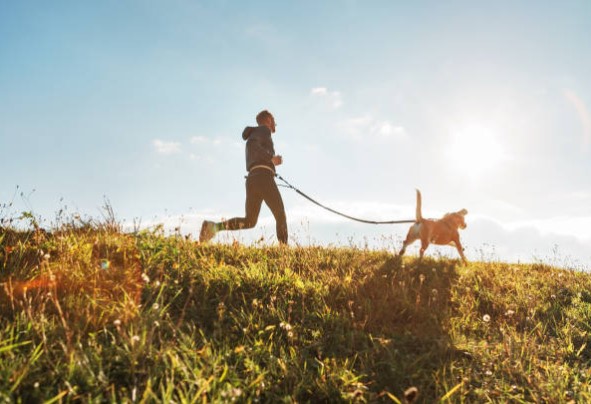
Keep your dog on a leash: It’s important to keep your dog on a leash at all times while hiking, not only for their safety but also for the safety of other hikers and wildlife. Choose a leash that is comfortable for both you and your dog, and be sure to keep it short enough to keep your dog close to you at all times.
-
Stay hydrated: Make sure to bring plenty of water for both you and your dog, and take frequent breaks to allow your dog to drink and rest. Keep an eye on your dog’s hydration levels and look for signs of dehydration, such as panting, lethargy, and dry gums.
-
Watch for hazards: Keep an eye out for potential hazards on the trail, such as sharp rocks, steep drop-offs, and venomous snakes. If you come across any of these hazards, make sure to steer clear and protect your dog from harm.
-
Respect the rules: Follow all posted rules and regulations on the trail, and be considerate of other hikers and wildlife. Pick up after your dog and dispose of their waste properly, and be mindful of any sensitive areas or wildlife habitats that you may encounter.
-
Have fun: Above all, remember to have fun and enjoy the experience with your furry friend. Hiking with dogs can be a wonderful bonding experience, and it’s a great way to get some fresh air and exercise in nature.
Overall, hiking with dogs can be a fun and rewarding experience for both you and your furry companion. Just be sure to follow these tips and tricks, and you’ll be well on your way to an enjoyable and safe hike.
What are the Best Places to go Hiking with Dogs?
There are many great places to go hiking with dogs, both in the United States and abroad. Here are a few options to consider:
-
National Parks: Many national parks allow dogs on designated trails, but it’s important to check the specific rules and regulations for each park. Some popular national parks for dog-friendly hiking include Acadia National Park in Maine, Rocky Mountain National Park in Colorado, and Olympic National Park in Washington.
-
State Parks: State parks are another great option for dog-friendly hiking, and many have specific trails designated for use by dogs. Some popular state parks for dog-friendly hiking include Mount Tamalpais State Park in California, Dogwood Canyon Nature Park in Missouri, and Schodack Island State Park in New York.
-
Local Hiking Trails: There are likely to be many local hiking trails near you that are dog-friendly, so be sure to check with your city or town’s parks and recreation department or local hiking clubs to find out about trails in your area.
-
Urban Hiking: If you don’t have access to rural hiking trails, you can still enjoy a hike with your dog in an urban setting. Many cities have parks and green spaces that allow dogs, and these can be great places to take a leisurely hike with your furry companion.
No matter where you go, it’s important to follow the rules and regulations of the specific trail or park, and to always keep your dog on a leash for their safety and the safety of others.
What You Should Bring When Going on a Day-Hike with Your Dog
When going on a day-hike with your dog, it’s important to bring a few essential supplies to ensure a safe and enjoyable experience for both of you. Here is a list of items you should consider packing:
-
Water: Bring plenty of water for both you and your dog, and a portable water bottle or bowl to allow your dog to drink on the trail.
-
Food: Pack some high-energy snacks or a small meal for both you and your dog, depending on the length and difficulty of the hike.
-
Leash: Bring a sturdy leash to keep your dog close to you at all times, and consider bringing a backup leash in case of emergencies.
-
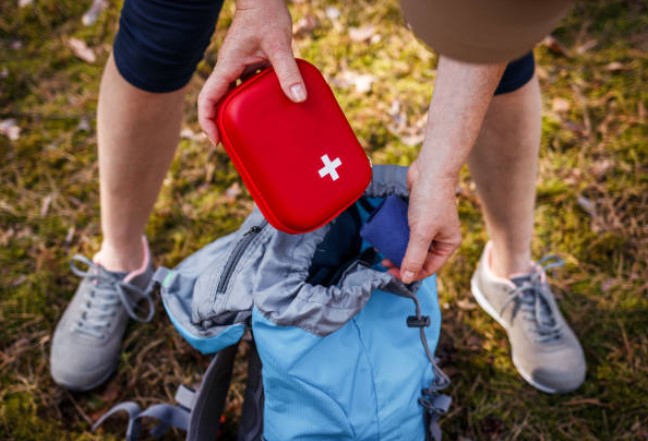
First aid kit: Pack a basic first aid kit that includes bandages, gauze, antiseptic wipes, and any medications your dog may need.
-
Waste bags: Be sure to bring enough waste bags to clean up after your dog and dispose of their waste properly.
-
Collar and ID tags: Make sure your dog’s collar is properly fitted and that they have current identification tags in case they become lost on the trail.
-
A protective vest or coat: If the weather is cold or wet, consider bringing a protective vest or coat to keep your dog warm and dry.
Overall, it’s important to be prepared and bring the necessary supplies to ensure a safe and enjoyable day-hike with your furry companion.
What Type of Pack is Right for My Dog?
If you’re planning on going on a longer hike or
-
Size: Make sure to choose a pack that is appropriately sized for your dog. The pack should fit snugly and not be too heavy or bulky, as this can be uncomfortable for your dog to wear. Measure your dog’s girth (the widest part of their rib cage) and length (from the base of their neck to the base of their tail) to ensure you get the right size.
-
Weight: Keep in mind that your dog’s pack should not be more than 25% of their body weight, as this can be too heavy for them to carry comfortably.
-
Materials: Look for a pack that is made from durable materials, such as nylon or canvas, and that has sturdy buckles and zippers. Avoid packs with sharp edges or protruding points, as these can be uncomfortable for your dog.
-
Features: Some packs have additional features, such as reflective strips for visibility, padded shoulder straps for comfort, and pockets for storing supplies. Consider which features might be most useful for your specific needs.
-
Fit: It’s important to try the pack on your dog before you head out on the trail to make sure it fits properly. The pack should sit comfortably on your dog’s back and not shift or slip around while they are moving.
Overall, the best dog backpack for
How to Keep Your Dog Safe on a Hike
Hiking with dogs can be a fun and rewarding experience, but it’s important to keep your furry companion safe on the trail. Here are a few tips for keeping your dog safe on a hike:
-
Keep your dog on a leash: It’s important to keep your dog on a leash at all times while hiking, not only for their safety but also for the safety of other hikers and wildlife. Choose a leash that is comfortable for both you and your dog, and be sure to keep it short enough to keep your dog close to you at all times.
-
Watch for hazards: Keep an eye out for potential hazards on the trail, such as sharp rocks, steep drop-offs, and venomous snakes. If you come across any of these hazards, make sure to steer clear and protect your dog from harm.
-
Stay hydrated: Make sure to bring plenty of water for both you and your dog, and take frequent breaks to allow your dog to drink and rest. Keep an eye on your dog’s hydration levels and look for signs of dehydration, such as panting, lethargy, and dry gums.
-
Protect against the elements: Depending on the weather and climate, you may need to take additional precautions to protect your dog from the elements. This can include bringing sunblock for their nose and ears, a raincoat or umbrella, and warm clothing for cold or wet weather.
-
Know your dog’s limits: It’s important to be aware of your dog’s physical abilities and limitations, and to adjust your hike accordingly. If your dog is not used to long or strenuous hikes, start with shorter, easier trails and gradually work your way up.
Overall, keeping your dog safe on a hike requires a combination of preparation, awareness, and common sense. By following these tips and using your judgement, you can ensure a safe and enjoyable hike for both you and your furry companion.