Fueling Your Adventure: Elevating Your Hiking Lunch Experience
Unleash the Power of a Satisfying and Nourishing Hiking Lunch
Embarking on a thrilling hiking adventure is not just about exploring breathtaking landscapes and challenging your physical limits; it is also an opportunity to reconnect with nature and nourish your body and mind. While breakfast may provide you with the initial burst of energy, the midday meal holds a special significance in sustaining your stamina and revitalizing your spirit. In this comprehensive guide, we delve into the world of hiking lunch ideas, offering you a plethora of creative and nutritious options to fuel your outdoor pursuits.
Hiking demands a tremendous amount of energy, as you traverse rugged terrains, conquer steep ascents, and soak in the awe-inspiring wonders of the natural world. To keep your body performing at its best, it is crucial to supply it with the right nutrients during your adventure. A well-balanced lunch not only replenishes your energy reserves but also aids in muscle recovery, providing the essential nourishment needed to tackle the remaining miles with enthusiasm.
As an experienced hiking guide and thought leader with over four decades of trekking under my belt, I have witnessed firsthand the transformative power of a satisfying lunch on the trail. However, I understand that finding the ideal hiking lunch can be a daunting task, especially when you consider factors such as duration, intensity, and pack weight. That’s why I’ve curated this comprehensive guide to help you plan and prepare a lunch that not only meets your nutritional needs but also satisfies your taste buds.
In the following sections, we will explore a wide array of lightweight and portable lunch options, ensuring that you can carry your meal with ease while still enjoying a delicious and nourishing experience. From protein-packed wraps and sandwiches to delectable nut butter and fruit combinations, we will uncover the secrets to creating satisfying meals that are convenient to pack and quick to assemble. We will also delve into the world of homemade trail mix and energy bars, providing you with customizable recipes that cater to your personal preferences and dietary requirements.
However, our exploration doesn’t stop there. We will venture into the realm of creative and nutritious recipes specifically designed for hiking lunches. From vibrant quinoa salads with roasted vegetables to flavorful couscous with chickpeas and Mediterranean flavors, these recipes will elevate your lunchtime experience on the trail. We will also introduce the concept of mason jar salads, perfect for those seeking a fresh and convenient option that remains crisp and tasty throughout the day.
Safety is of utmost importance when it comes to storing and handling your hiking lunches. We will provide you with essential tips on proper food storage, minimizing the risk of contamination, and utilizing ice packs and insulated containers to maintain the freshness and safety of your meals. Additionally, we will discuss the challenges of hiking in hot climates and offer alternative lunch ideas that don’t rely on perishable ingredients.
Beyond lunch, we will address the significance of snacking and hydration during your hike. A well-planned snack strategy ensures a steady supply of energy throughout the day, while staying adequately hydrated helps optimize your performance and overall well-being. We will provide you with an assortment of healthy and energizing snack ideas, as well as creative infused water recipes to quench your thirst and revitalize your senses.
So, whether you’re a seasoned hiker or just starting to explore the wonders of the great outdoors, this guide is your compass to crafting the perfect hiking lunch. Join me as we embark on this culinary adventure, discovering delicious, nutritious, and trail-worthy meals that will elevate your hiking experience to new heights. Let’s fuel our bodies, nurture our souls, and make every lunch break on the trail an extraordinary moment of nourishment and delight.
Understanding Hiker’s Nutritional Needs
As you embark on your hiking journey, it is essential to understand the unique nutritional needs of hikers. Hiking requires significant energy expenditure and places physical demands on your body. To meet these demands and maintain optimal performance, you must fuel your body with the right nutrients.
Energy Requirements During Hiking
Hiking is a physically demanding activity that can burn a substantial amount of calories. The exact energy expenditure depends on factors such as the intensity of the hike, the weight of your pack, the terrain, and your individual metabolism. On average, a hiker can burn anywhere from 300 to 600 calories per hour. For longer hikes or more challenging terrains, the calorie expenditure can be even higher.
To sustain your energy levels during a hike, it is crucial to consume an adequate amount of calories. This will prevent fatigue, muscle depletion, and a decline in overall performance. While the exact calorie needs vary from person to person, a general guideline is to aim for 200-300 calories per hour of hiking. However, keep in mind that this is just an estimate, and your individual needs may differ.
Essential Nutrients for Sustained Energy and Muscle Recovery
Calories alone are not sufficient to meet your nutritional needs while hiking. It is crucial to focus on consuming a well-balanced meal that provides essential nutrients for sustained energy and muscle recovery.
-
Carbohydrates: Carbohydrates are the primary source of energy for hiking. They are quickly broken down into glucose, which fuels your muscles. Opt for complex carbohydrates such as whole grains, fruits, and vegetables, as they provide a steady release of energy and are rich in vitamins, minerals, and fiber.
-
Protein: Protein plays a crucial role in repairing and building muscle tissue, which is particularly important during extended hikes. Include protein-rich foods such as lean meats, poultry, fish, beans, nuts, and seeds in your hiking lunch to aid in muscle recovery and support overall strength.
-
Healthy Fats: While it is essential to moderate your fat intake, including healthy fats in your hiking lunch can provide a concentrated source of energy. Foods like nuts, seeds, avocados, and olive oil contain monounsaturated and polyunsaturated fats, which contribute to heart health and provide sustained energy during your hike.
-
Vitamins and Minerals: Hiking exposes your body to physical stress and increases your need for vitamins and minerals. Ensure your lunch includes a variety of colorful fruits and vegetables to provide essential vitamins (such as vitamin C and vitamin A) and minerals (such as potassium and magnesium) that aid in muscle function, hydration, and overall well-being.
Hydration Considerations
Staying hydrated is crucial for maintaining optimal performance and preventing dehydration while hiking. Dehydration can lead to fatigue, muscle cramps, decreased cognitive function, and other adverse effects. Here are some hydration considerations to keep in mind when planning your hiking lunch:
-
Water Intake: The amount of water you need during a hike depends on several factors, including the duration, intensity, temperature, and humidity. As a general guideline, aim to drink at least 0.5 to 1 liter of water per hour of hiking. Be proactive in hydrating and drink before you feel thirsty, as thirst is not always an accurate indicator of your body’s hydration status.
-
Electrolytes: Electrolytes are minerals that play a vital role in maintaining proper hydration and muscle function. When you sweat, you lose electrolytes such as sodium, potassium, and magnesium. Including electrolyte-rich foods or bringing electrolyte-enhanced beverages or supplements can help replenish these essential minerals during your hike.
-
Hydration Bladder or Water Bottles: Choose a hydration system that works best for you, whether it’s a hydration bladder integrated into your backpack or reusable water bottles. Ensure easy access to water throughout your hike, and consider using a water filtration system if you plan to refill from natural water sources.
By understanding your body’s nutritional needs and focusing on consuming a well-balanced lunch that provides an adequate amount of calories, carbohydrates, protein, healthy fats, vitamins, minerals, and hydration, you can optimize your performance, sustain energy levels, and enhance your overall hiking experience.
Remember, the information provided here serves as a general guideline. It is essential to listen to your body, experiment with different approaches, and make adjustments based on your individual needs and preferences. In the next section, we will delve into the art of planning your hiking lunch, taking into consideration various factors that can influence your meal choices and overall enjoyment on the trail.
Planning Your Hiking Lunch
Planning your hiking lunch is a crucial step in ensuring a satisfying and nourishing meal on the trail. Several factors come into play when making these decisions, such as the duration and intensity of the hike, pack weight and storage constraints, meal preferences and dietary restrictions, as well as local regulations and leave-no-trace principles. By considering these aspects, you can tailor your lunch to meet your specific needs and make the most of your hiking experience.
Duration and Intensity of the Hike
The duration and intensity of your hike play a significant role in determining the type and quantity of food you should pack for lunch. Shorter hikes or leisurely walks may require a lighter lunch, while longer and more strenuous hikes demand a more substantial and calorie-dense meal to sustain energy levels.
For shorter hikes, opt for lighter options such as wraps, sandwiches, or nutrient-dense snacks that can be consumed on the go. These choices provide a quick and convenient source of energy without weighing you down.
On the other hand, for longer and more intense hikes, consider packing a heartier lunch to fuel your body adequately. This may involve incorporating complex carbohydrates, protein-rich foods, and healthy fats to sustain energy levels and aid in muscle recovery. Durable and longer-lasting options like dehydrated or freeze-dried meals can also be suitable for extended
Pack Weight and Storage Constraints
When planning your hiking lunch, it’s important to consider the weight and storage constraints of your backpack. Every ounce counts when you’re carrying your essentials for miles on end. Choosing lightweight and compact foods will help minimize the strain on your back and allow for more comfortable hiking.
Opt for foods that are not only lightweight but also easy to pack and consume. Wraps, sandwiches, and compact snacks like energy bars, nuts, and dried fruits are excellent choices. Additionally, consider packaging your lunch in reusable containers or using resealable bags to keep everything organized and prevent leaks or spills.
Meal Preferences and Dietary Restrictions
While it’s important to prioritize nutrition and convenience, your personal meal preferences and dietary restrictions should also be taken into account. Everyone has unique tastes and dietary needs, and it’s crucial to create a lunch that aligns with your preferences while still providing the necessary nutrients.
If you have dietary restrictions or follow a specific eating plan, such as vegetarian, vegan, gluten-free, or dairy-free, explore suitable alternatives and substitutions for traditional lunch options. There are numerous plant-based protein sources, gluten-free grains, and dairy-free alternatives available that can be incorporated into your hiking lunch.
Additionally, consider your personal food preferences and what will truly satisfy you on the trail. While it’s important to choose nutritious options, it’s equally essential to enjoy your meal. Experiment with different flavors, textures, and combinations to create a lunch that excites your taste buds and keeps you motivated throughout your hike.
Local Regulations and Leave-No-Trace Principles
When planning your hiking lunch, it’s crucial to be aware of local regulations and adhere to leave-no-trace principles. Many hiking trails and wilderness areas have specific rules regarding food storage, waste disposal, and environmental impact.
Research the specific regulations for the area you’ll be hiking in and plan your lunch accordingly. Some areas may require bear canisters or bear bags to store your food securely, while others may have designated picnic areas or restrictions on open fires for cooking. By following these guidelines, you not only protect the environment but also ensure your safety and the safety of wildlife.
In the next section, we will explore a wide range of lightweight and portable lunch options that can be easily incorporated into your hiking plans. From wraps and sandwiches to homemade trail mix and energy bars, we will provide you with creative ideas to keep you fueled and satisfied on the trail.
Lightweight and Portable Lunch Options
When it comes to hiking, convenience and portability are key factors in choosing the right lunch options. You want meals that are easy to carry, require minimal preparation, and provide the necessary nutrition to sustain your energy levels throughout the hike. In this section, we will explore a variety of lightweight and portable lunch ideas that will keep you fueled and satisfied on the trail.
Wraps and Sandwiches
Wraps and sandwiches are classic choices for hiking lunches due to their portability and versatility. They offer endless possibilities for creative combinations and can be customized to suit your taste preferences and dietary needs.
-
Protein-Packed Options: Incorporate lean meats such as turkey, chicken, or roast beef for a protein boost. Add nutrient-rich toppings like avocado, spinach, tomatoes, and sprouts. Consider using whole-grain wraps or bread for added fiber and sustained energy.
-
Vegetarian and Vegan Alternatives: For those following a vegetarian or vegan diet, explore options like hummus and veggie wraps or sandwiches filled with grilled vegetables, tofu, or plant-based deli slices. Include flavorful spreads like pesto or spicy mustard to enhance the taste.
Nut Butter and Fruit Combinations
Nut butter and fruit combinations are not only delicious but also provide a balance of carbohydrates, healthy fats, and proteins. They are easy to pack and require minimal preparation.
Pair your favorite nut butter, such as almond, peanut, or cashew, with sliced fruits like apples, bananas, or berries. You can also bring along whole-grain crackers or rice cakes to spread the nut butter on for an added crunch. This combination offers a satisfying mix of flavors and textures while providing essential nutrients and energy.
Homemade Trail Mix and Energy Bars
Homemade trail mix and energy bars are fantastic options for hikers who prefer a quick and nutritious snack-like lunch. They are customizable, allowing you to incorporate your preferred ingredients and flavors.
-
Trail Mix: Create your own trail mix by combining a variety of nuts, seeds, dried fruits, and even a touch of dark chocolate for a hint of indulgence. Consider adding almonds, walnuts, pumpkin seeds, dried cranberries, raisins, and coconut flakes. This mix provides a blend of healthy fats, proteins, and carbohydrates to sustain your energy levels.
-
Energy Bars: Make your own energy bars using a combination of nuts, seeds, dried fruits, whole grains, and natural sweeteners like honey or dates. There are countless recipes available online that cater to different dietary needs and flavor preferences. Experiment with ingredients to find your favorite combination and adjust the sweetness and texture to your liking.
Dehydrated and Freeze-Dried Meals
For longer hikes or multi-day
These meals are designed to be lightweight, compact, and easy to prepare. Simply add hot water to rehydrate the ingredients and enjoy a warm and satisfying meal on the trail. Look for options that cater to your dietary needs, whether it’s vegetarian, vegan, gluten-free, or low sodium.
It’s worth mentioning that while dehydrated and freeze-dried meals offer convenience, they may not be as flavorful as freshly prepared meals. Consider adding spices, herbs, or condiments to enhance the taste and make the experience more enjoyable.
By incorporating these lightweight and portable lunch options into your hiking plans, you can ensure a balanced and nourishing meal that keeps you energized and satisfied on the trail. Remember to pack your meals in sealable containers or bags to prevent leaks and spills, and dispose of any waste properly following leave-no-trace principles.
In the next section, we will dive deeper into creative and nutritious recipes specifically designed for hiking lunches. From quinoa salads with roasted vegetables to couscous with Mediterranean flavors, we will explore meals that are both satisfying and refreshing during your outdoor adventures.
Creative and Nutritious Recipes for Hiking Lunches
When it comes to hiking lunches, creativity and nutrition go hand in hand. In this section, we will explore a collection of creative and nutritious recipes that are specifically designed for hiking lunches. These recipes not only provide essential nutrients but also deliver delightful flavors and textures to enhance your hiking experience.
Quinoa Salad with Roasted Vegetables
Quinoa salads are excellent options for hiking lunches as they are packed with protein, fiber, and essential nutrients. The addition of roasted vegetables adds a delicious depth of flavor. Here’s a simple recipe to get you started:
Ingredients:
-
1 cup cooked quinoa
-
Assorted vegetables (e.g., bell peppers, zucchini, cherry tomatoes)
-
Olive oil
-
Salt and pepper to taste
-
Fresh herbs (such as parsley or basil) for garnish
Instructions:
-
Preheat your oven to 400°F (200°C). Toss the vegetables in olive oil, salt, and pepper.
-
Spread the vegetables on a baking sheet and roast for about 20-25 minutes or until they are tender and slightly caramelized.
-
In a mixing bowl, combine the cooked quinoa and roasted vegetables. Drizzle with a little more olive oil and season with salt and pepper to taste.
-
Toss the ingredients together until well combined. Garnish with fresh herbs.
-
Pack the quinoa salad in a sealable container or wrap it in a tortilla for easy transport.
This quinoa salad provides a balanced combination of carbohydrates, proteins, and a variety of vitamins and minerals from the vegetables. It is refreshing, satisfying, and can be enjoyed at room temperature.
Couscous with Chickpeas and Mediterranean Flavors
Couscous is a quick-cooking grain that makes an ideal base for a hearty and flavorful hiking lunch. This Mediterranean-inspired recipe combines couscous, chickpeas, and aromatic herbs for a satisfying meal on the trail.
Ingredients:
-
1 cup couscous
-
1 can of chickpeas, rinsed and drained
-
Cherry tomatoes, halved
-
Cucumber, diced
-
Kalamata olives, pitted and sliced
-
Red onion, thinly sliced
-
Fresh parsley, chopped
-
Fresh mint, chopped
-
Lemon juice
-
Olive oil
-
Salt and pepper to taste
Instructions:
-
Prepare the couscous according to the package instructions. Fluff with a fork and let it cool.
-
In a large mixing bowl, combine the cooked and cooled couscous, chickpeas, cherry tomatoes, cucumber, olives, red onion, parsley, and mint.
-
Drizzle with lemon juice and olive oil. Season with salt and pepper to taste.
-
Toss the ingredients together until well mixed.
-
Transfer the couscous salad to a portable container and store in a cool place until ready to enjoy on the trail.
This Mediterranean couscous salad provides a balance of carbohydrates, plant-based protein, and a medley of flavors. It’s refreshing, filling, and packed with nutrients to keep you energized during your hike.
Cold Pasta Salad with Protein-Rich Additions
A cold pasta salad is a refreshing and versatile lunch option for hiking. You can customize it with your favorite ingredients and incorporate protein-rich additions for sustained energy. Here’s a simple recipe to try:
Ingredients:
-
2 cups cooked pasta (choose whole-grain or gluten-free pasta, if desired)
-
Cherry tomatoes, halved
-
Cucumbers, diced
-
Bell peppers, diced
-
Mozzarella cheese or feta cheese, cubed
-
Cooked chicken breast or chickpeas for vegetarian/vegan option
-
Fresh basil, chopped
-
Italian dressing or a simple vinaigrette
Instructions:
-
In a large mixing bowl, combine the cooked pasta, cherry tomatoes, cucumbers, bell peppers, cheese, and your choice of protein (chicken or chickpeas).
-
Add the fresh basil and drizzle with Italian dressing or a simple vinaigrette of your choice.
-
Toss the ingredients together until well coated.
-
Allow the flavors to meld by refrigerating the pasta salad for a few hours or overnight.
-
Pack the pasta salad in a sealable container or divide into individual portions for easy serving on the trail.
This cold pasta salad offers a mix of carbohydrates, proteins, and fresh vegetables. It can be enjoyed cold, making it a perfect option for hot weather hikes.
Mason Jar Salads
Mason jar salads are not only visually appealing but also practical for hiking lunches. The layering technique keeps the ingredients fresh and crisp until you’re ready to enjoy them. Here’s a general guide to creating your own mason jar salad:
-
Start with the dressing: Add your choice of dressing at the bottom of the mason jar.
-
Next, add hearty ingredients: Layer ingredients such as cooked grains, pasta, or protein sources like cooked chicken, tofu, or beans.
-
Follow with vegetables: Add diced or sliced vegetables like cherry tomatoes, cucumbers, bell peppers, carrots, or radishes.
-
Add leafy greens: Place a layer of leafy greens, such as lettuce, spinach, or arugula, on top of the vegetables.
-
Finish with toppings and garnish: Add nuts, seeds, croutons, or cheese as toppings for added texture and flavor. Garnish with fresh herbs.
-
Seal the jar tightly and refrigerate until ready to pack for your hike.
When it’s time to eat, simply shake the jar to mix the dressing with the other ingredients, and enjoy a fresh and vibrant salad on the trail.
Mason jar salads offer endless possibilities for customization and ensure that your ingredients remain crisp and flavorful. They are not only convenient but also allow you to pack a variety of nutrients into a single jar.
By incorporating these creative and nutritious recipes into your hiking lunches, you can elevate your dining experience on the trail. Remember to pack your meals in sealable containers or mason jars to prevent leaks and spills, and dispose of any waste properly following leave-no-trace principles.
In the next section, we will explore essential safety tips for storing and handling hiking lunches, ensuring food safety and minimizing environmental impact.
Safety Tips for Storing and Handling Hiking Lunches
When it comes to hiking lunches, food safety and proper handling are essential considerations. Storing and handling your meals correctly not only ensures their freshness but also helps prevent foodborne illnesses and minimizes environmental impact. In this section, we will explore important safety tips to keep in mind when storing and handling your hiking lunches.
Proper Food Storage and Handling
-
Temperature Control: Perishable items, such as meats, dairy products, and mayonnaise-based dressings, should be kept at safe temperatures to prevent bacterial growth. Use insulated lunch bags or coolers with ice packs to keep your food cool during the hike. It’s recommended to keep perishable items below 40°F (4°C).
-
Separate Raw and Cooked Foods: When packing your hiking lunch, ensure that raw and cooked foods are kept separate to prevent cross-contamination. Use separate containers or sealable bags for raw meats or any other ingredients that need to be cooked.
-
Hygiene: Practice good hygiene when handling your food on the trail. Wash your hands thoroughly with biodegradable soap and water or use hand sanitizer before handling any food items. This helps reduce the risk of contamination.
-
Avoid Leaks and Spills: Pack your lunch in leak-proof containers or wrap it securely to prevent any leaks or spills. This not only keeps your backpack clean but also reduces the risk of cross-contamination between different food items.
Effective Use of Ice Packs and Insulated Containers
-
Ice Packs: Use ice packs to keep your perishable items cool during the hike. Choose reusable ice packs or freeze water in sealable bags to use as makeshift ice packs. Place the ice packs on top of your lunch or in separate compartments of your cooler to maintain a consistent temperature.
-
Insulated Containers: Invest in insulated containers or thermoses to keep hot foods hot and cold foods cold. These containers help maintain the temperature of your meals, allowing you to enjoy a warm soup or a refreshing chilled salad.
-
Pre-Chill Foods: For cold lunches, pre-chill your ingredients in the refrigerator before packing them. This helps keep your lunch cooler for longer periods, reducing the reliance on ice packs.
Avoiding Perishable Ingredients in Hot Climates
Hiking in hot climates presents additional challenges for storing and handling hiking lunches. High temperatures can accelerate the growth of bacteria, potentially leading to food spoilage and foodborne illnesses. To mitigate these risks:
-
Choose Non-Perishable Options: Opt for non-perishable items that are less prone to spoilage, such as dried fruits, nuts, granola bars, or shelf-stable meals. These options can withstand higher temperatures without compromising safety.
-
Minimize Mayo and Dairy-based Products: In hot climates, it’s best to avoid mayonnaise-based dressings or dairy products that are susceptible to spoilage. Instead, opt for alternative dressings like vinaigrettes or pack single-serving condiment packets to use on the trail.
-
Pack Smaller Portions: Rather than packing large quantities of perishable foods, consider packing smaller portions that can be consumed within a shorter timeframe. This helps reduce the risk of spoilage due to prolonged exposure to heat.
-
Plan for Shade: When taking breaks during your hike, look for shaded areas to rest and consume your lunch. This helps keep your food cooler and minimizes the exposure to direct sunlight.
Remember, food safety should be a top priority when preparing and enjoying hiking lunches. By following these safety tips, you can ensure that your meals remain safe, fresh, and enjoyable during your outdoor adventures.
In the next section, we will discuss the practical aspects of on-trail lunch preparation and share tips for finding suitable spots to savor your meal while minimizing environmental impact.
On-Trail Lunch Preparation and Enjoyment
Finding a suitable spot to enjoy your hiking lunch and taking the time to savor your meal can enhance your overall hiking experience. In this section, we will explore the practical aspects of on-trail lunch preparation and share tips for creating a pleasant dining atmosphere while minimizing environmental impact.
Finding a Suitable Spot
-
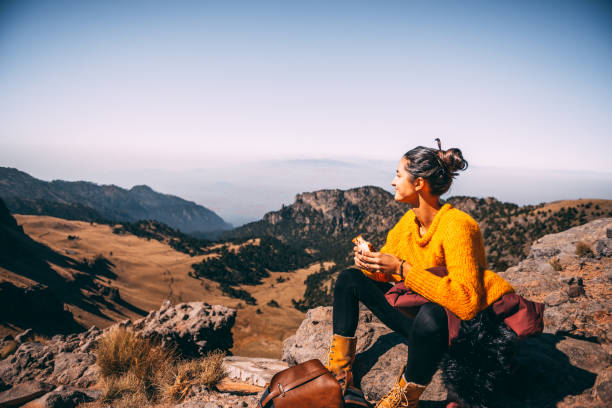
Scenic Views: Look for a picturesque spot with a scenic view where you can relax and enjoy your meal. It could be a mountaintop, a lakeside, or a serene meadow. Taking in the beauty of nature while nourishing your body adds a special touch to your hiking lunch experience.
-
Sheltered Areas: Consider finding a spot that offers some shade, especially during hot and sunny hikes. Seek out a grove of trees, a rock formation, or a natural canopy to provide relief from the sun and make your lunch break more comfortable.
-
Comfortable Seating: Look for a spot with natural seating options like flat rocks or fallen logs, or bring along a lightweight foldable camping chair or groundsheet to create a comfortable seating area.
Tips for Quick and Efficient Lunch Preparation
-
Meal Organization: Plan and organize your lunch items in a logical order to make the preparation process efficient. This helps minimize the time spent searching for ingredients and utensils while on the trail. Consider using resealable bags or small containers to separate different components of your meal.
-
Easy Assembly: Choose lunch options that require minimal assembly and preparation. Wraps, sandwiches, and mason jar salads can be prepped ahead of time and quickly assembled when it’s time to eat. This allows you to maximize your lunch break and spend more time enjoying your surroundings.
-
Pack Essential Utensils: Don’t forget to pack lightweight and reusable utensils such as a spoon, fork, and knife. Opt for collapsible or camping-specific utensils that take up minimal space in your backpack.
Savoring the Meal and Taking Time for Relaxation
-
Mindful Eating: Take the time to savor each bite and appreciate the flavors and textures of your meal. Engage your senses and be present in the moment. Enjoy the nourishment that the food provides and the tranquility of your surroundings.
-
Hydration Breaks: Alongside your meal, take the opportunity to hydrate and replenish your fluids. Sip water, infused water, or other hydrating beverages to stay adequately hydrated during your lunch break.
-
Rest and Relaxation: Use your lunch break as an opportunity to rest and rejuvenate. Take off your hiking boots, stretch your legs, and give your body a chance to recover. Use this time to soak in the peacefulness of nature and recharge before continuing your hike.
Leave-No-Trace Principles
Adhering to leave-no-trace principles ensures that you minimize your impact on the environment while enjoying your hiking lunch.
-
Pack Out Your Waste: Bring along a sealable bag to collect any food scraps, wrappers, or other waste generated during your lunch. Never leave any trash behind. Dispose of it properly when you reach a designated trash receptacle or back at your base camp.
-
Respect Nature: Be mindful of the natural surroundings and avoid damaging plants, disturbing wildlife, or leaving any trace of your presence. Stay on designated trails and follow established guidelines to preserve the beauty and integrity of the environment.
-
Practice Fire Safety: If you choose to cook or heat your lunch on a stove or campfire, adhere to fire safety guidelines. Use designated fire rings or stoves and ensure that fires are completely extinguished before leaving the area.
By finding a suitable spot, preparing your lunch efficiently, savoring the meal, and respecting the environment through leave-no-trace principles, you can elevate your on-trail lunch experience. Take the time to enjoy the nourishment and beauty that surrounds you, creating lasting memories and deepening your connection with nature.
In the next section, we will discuss the importance of snacks and hydration beyond lunchtime to maintain your energy levels and enhance your hiking performance.
Snacks and Hydration Beyond Lunchtime
In addition to a satisfying lunch, incorporating snacks and maintaining proper hydration throughout your hike is crucial for sustaining energy levels, preventing fatigue, and optimizing your hiking performance. In this section, we will explore the importance of snacks and hydration beyond lunchtime and provide a variety of healthy and energizing options to keep you fueled on the trail.
Importance of Snacking During Hikes
-
Sustained Energy: Hiking demands a continuous supply of energy. Snacking between meals helps maintain a steady stream of fuel to keep your energy levels stable throughout the day. By replenishing your energy reserves, you’ll be better equipped to tackle challenging terrains and long distances.
-
Mental Focus: Snacking also plays a role in maintaining mental focus and clarity. When hiking for extended periods, fatigue can lead to decreased cognitive function. Consuming snacks that provide a mix of carbohydrates, proteins, and healthy fats helps nourish your brain and enhance mental acuity.
-
Muscle Recovery: Snacks rich in protein can aid in muscle recovery and repair. As you hike, your muscles undergo continuous stress and strain. Protein-rich snacks assist in repairing damaged muscle tissue and preventing muscle breakdown.
Healthy and Energizing Snack Ideas
-
Trail Mix: Create your own trail mix by combining a variety of nuts, seeds, dried fruits, and even a touch of dark chocolate. Almonds, walnuts, pumpkin seeds, dried cranberries, raisins, and coconut flakes make for a delicious and nutrient-packed combination.
-
Energy Bars: Look for or create homemade energy bars made with wholesome ingredients like nuts, seeds, dried fruits, whole grains, and natural sweeteners. These compact and portable snacks offer a balance of carbohydrates, proteins, and healthy fats.
-
Fresh Fruits: Pack lightweight and easy-to-eat fresh fruits such as apples, oranges, bananas, or grapes. They provide hydration, natural sugars for a quick energy boost, and a range of vitamins and minerals.
-
Nut Butter Packets: Single-serving nut butter packets, such as almond butter or peanut butter, are convenient and provide a good source of healthy fats and proteins. They can be enjoyed on their own, spread onto crackers, or paired with fresh fruits.
-
Jerky: Lean jerky, whether made from beef, turkey, or plant-based alternatives, is a protein-rich snack that can be easily packed and consumed on the trail. Look for varieties with minimal additives and lower sodium content.
-
Whole-Grain Crackers or Rice Cakes: These crispy and lightweight options can be paired with nut butter, cheese, or hummus for a satisfying and energy-boosting snack.
Hydration Tips and Creative Infused Water Recipes
Proper hydration is vital for maintaining performance, preventing dehydration, and regulating body temperature while hiking. Alongside your snacks, ensure you stay adequately hydrated by following these tips:
-
Water Reservoir or Bottles: Carry a water reservoir, such as a hydration bladder, or multiple water bottles to ensure a sufficient water supply throughout your hike. Aim to drink regularly, even if you don’t feel thirsty.
-
Electrolyte Replacement: During longer hikes or intense physical activity, consider replenishing electrolytes lost through sweat. Electrolyte tablets, powders, or sports drinks can help restore balance and optimize hydration.
-
Creative Infused Water: Enhance the taste of your water by infusing it with natural flavors. Add slices of citrus fruits like lemon, lime, or orange, as well as herbs like mint or basil, to your water bottle for a refreshing and flavorful twist.
-
Consider a Water Filter: If you’re hiking in areas with access to natural water sources, carrying a water filter or purifier allows you to safely refill your water supply. Be sure to follow the manufacturer’s instructions for proper usage.
Maintaining proper hydration and snacking wisely throughout your hike can help sustain your energy levels, support muscle recovery, and optimize your overall hiking performance. Remember to pack your snacks in accessible pockets for easy reach and dispose of any waste responsibly to minimize environmental impact.
In conclusion, a well-planned and nourishing lunch, coupled with strategic snacking and adequate hydration, will fuel your hiking adventures and enhance your enjoyment of the great outdoors. By prioritizing nutrition, safety, and environmental consciousness, you can create memorable hiking experiences while staying energized and connected to nature.
Savor the Moment: Elevate Your Connection to Nature Through Hiking Lunches
As you embark on your hiking journeys, remember that your lunch break is not just a time to refuel your body—it’s an opportunity to enhance your overall hiking experience. By prioritizing nutrition, creativity, and environmental consciousness, you can elevate your hiking lunch to new heights. Let’s recap some key takeaways and strategies to make the most of your hiking lunch:
-
Understanding Hiker’s Nutritional Needs: Recognize the energy requirements of hiking and the essential nutrients necessary to sustain energy levels and aid in muscle recovery. Prioritize a well-balanced meal that includes carbohydrates, proteins, healthy fats, vitamins, and minerals.
-
Planning Your Hiking Lunch: Consider the duration and intensity of your hike, pack weight and storage constraints, meal preferences and dietary restrictions, as well as local regulations and leave-no-trace principles when planning your hiking lunch. Tailor your meal to meet your specific needs while ensuring convenience, portability, and satisfaction.
-
Lightweight and Portable Lunch Options: Explore a variety of lightweight and portable lunch ideas, such as wraps, sandwiches, nut butter and fruit combinations, homemade trail mix, energy bars, and dehydrated or freeze-dried meals. These options provide convenience, nutrition, and flavors to fuel your hiking adventures.
-
Creative and Nutritious Recipes: Delve into creative and nutritious recipes designed specifically for hiking lunches. Quinoa salads with roasted vegetables, couscous with chickpeas and Mediterranean flavors, cold pasta salads, and mason jar salads offer a combination of nutrients, flavors, and textures to enhance your on-trail dining experience.
-
Safety Tips for Storing and Handling: Prioritize food safety by properly storing and handling your hiking lunches. Utilize temperature control, separate raw and cooked foods, practice good hygiene, and avoid leaks and spills. Make effective use of ice packs, insulated containers, and pre-chilled ingredients, especially in hot climates, to ensure freshness and prevent foodborne illnesses.
-
On-Trail Lunch Preparation and Enjoyment: Find a suitable spot to enjoy your meal, consider meal organization and easy assembly techniques, and take the time to savor your lunch while appreciating your natural surroundings. Follow leave-no-trace principles to minimize environmental impact and pack out any waste.
-
Snacks and Hydration Beyond Lunchtime: Recognize the importance of snacking and proper hydration during your hike. Incorporate healthy and energizing snacks, such as trail mix, energy bars, fresh fruits, nut butter packets, jerky, and whole-grain crackers or rice cakes. Stay hydrated with water, electrolyte replacements, and creative infused water recipes.
By implementing these strategies and adopting a mindful and sustainable approach to your hiking lunches, you can nourish your body, maintain energy levels, and enhance your overall enjoyment of the trail. Remember to listen to your body’s needs, adapt recipes to suit your preferences and dietary restrictions, and always prioritize safety and environmental stewardship.
Now, armed with the knowledge and ideas presented in this comprehensive guide, it’s time to embark on your next hiking adventure. Plan your hiking lunch, explore new flavors, and create meals that will not only fuel your body but also elevate your connection to nature. Embrace the transformative power of a satisfying and nourishing hiking lunch, and let every break on the trail be a moment of nourishment, delight, and appreciation for the wonders of the great outdoors.