Essential Guide to Building a Comprehensive Hiking First Aid Kit
Preparing for the Unexpected: Importance of a Well-Stocked Hiking First Aid Kit
When embarking on a hiking adventure, the excitement of exploring new trails, immersing oneself in nature’s beauty, and experiencing the thrill of conquering challenging terrains often takes center stage. However, it is crucial to remember that the wilderness can be unpredictable, and injuries or ailments can occur even to the most experienced hikers. That’s where a well-stocked hiking first aid kit becomes an indispensable companion.
Imagine being miles away from civilization, surrounded by towering mountains or dense forests, when suddenly, a misstep causes a twisted ankle or a deep cut from a sharp rock. In such moments, having the necessary medical supplies at your fingertips can make a world of difference. It can provide the means to stabilize an injury, alleviate pain, and even potentially save a life.
The primary goal of a hiking first aid kit is to bridge the gap between the occurrence of an injury and the arrival of professional medical help. It serves as your lifeline in remote wilderness areas, where access to immediate medical assistance may be limited or delayed. A well-prepared kit not only enhances your safety but also provides peace of mind, allowing you to fully embrace the wonders of hiking while knowing you are prepared for unexpected situations.
To build an effective hiking first aid kit, it is essential to have a solid understanding of its purpose, the potential risks and hazards you may encounter on your hiking journeys, and the specific medical supplies required to address those challenges. By assembling a comprehensive kit tailored to your hiking needs, you can minimize the impact of injuries, increase your chances of a quick recovery, and ensure a safer overall hiking experience.
Throughout this article, we will delve into the fundamentals of hiking first aid, explore the essential components that should be included in your kit, discuss how to tailor it to different hiking conditions, and provide practical tips for packing and organizing your supplies. Moreover, we will emphasize the importance of first aid training and preparation, as having the right equipment is only part of the equation – knowing how to use it effectively is equally vital.
Whether you are a seasoned hiker or just starting your journey into the wilderness, this comprehensive guide will equip you with the knowledge and tools to build a hiking first aid kit that can handle a range of injuries and ailments. By investing time and effort into this crucial aspect of your hiking gear, you are making a proactive commitment to your safety and well-being, ensuring that you are prepared for the unexpected while exploring the great outdoors.
So, let us embark on this journey together, exploring the world of hiking first aid kits, and empowering ourselves with the skills and resources to handle whatever challenges may arise on our hiking adventures. Remember, it’s not just the destination that matters but also the journey – and a well-prepared first aid kit can help ensure that your journey is as safe and enjoyable as possible.
Understanding the Basics of Hiking First Aid
Know your destination: Assessing potential risks and hazards
Before embarking on any hiking expedition, it is crucial to research and understand the unique risks and hazards associated with your chosen destination. Different terrains, climates, and environments present varying challenges that can influence the type of injuries or ailments you may encounter.
Mountains, for instance, may pose risks such as altitude sickness, hypothermia, or falls on rocky slopes. Forested areas might expose you to the possibility of insect bites, poisonous plants, or minor cuts and scrapes from branches and thorns. Deserts, on the other hand, introduce concerns like dehydration, heatstroke, or encounters with venomous creatures.
By assessing the potential risks and hazards specific to your destination, you can tailor your hiking first aid kit to address those particular needs. Research local wildlife, weather conditions, and any prevalent medical concerns in the area. Consult reliable sources such as park websites, guidebooks, or local authorities to gather information and make informed decisions about the supplies to include in your kit.
Familiarize yourself with common hiking injuries and ailments
While it is impossible to predict every injury or ailment that may occur during a hike, having a good understanding of the most common ones can help you prepare more effectively. By familiarizing yourself with these potential scenarios, you can ensure that your first aid kit is adequately equipped to handle them.
Some common hiking injuries and ailments include:
-
Sprains and strains: Twisted ankles or strained muscles are common on uneven terrain.
-
Cuts, scrapes, and blisters: Sharp rocks, thorny plants, or ill-fitting footwear can cause these injuries.
-
Burns and sunburns: Prolonged exposure to the sun or mishandling of campfire can lead to burns.
-
Insect bites and stings: Mosquitoes, ticks, bees, or wasps can pose risks depending on the region.
-
Allergic reactions: Some hikers may be allergic to plants, insect bites, or certain foods.
-
Heat-related illnesses: Dehydration, heat exhaustion, and heatstroke can be a concern, especially in hot climates.
-
Cold-related illnesses: Hypothermia and frostbite can occur in cold and wet environments.
-
Altitude sickness: Climbing to high altitudes too quickly can lead to symptoms like nausea, headache, or dizziness.
-
Gastrointestinal issues: Digestive problems due to contaminated water or improper food handling are possible.
By recognizing these common injuries and ailments, you can prioritize the inclusion of specific supplies in your hiking first aid kit, ensuring you are well-prepared to handle them if they occur.
Importance of taking a first aid course or certification
While having a well-stocked hiking first aid kit is essential, it is equally crucial to possess the knowledge and skills to use the supplies effectively. Enrolling in a first aid course or obtaining a certification in wilderness first aid equips you with the confidence and competence to handle emergencies in the backcountry.
A first aid course provides comprehensive training on assessing injuries, administering CPR, managing wounds, stabilizing fractures, and recognizing the signs and symptoms of various medical conditions. It also teaches you how to prioritize treatment and make critical decisions in remote environments where professional medical help may be hours or days away.
Certifications such as Wilderness First Aid (WFA) or Wilderness First Responder (WFR) are specifically tailored to address the unique challenges of outdoor settings. They cover topics like improvisation, evacuation techniques, and remote communication, enabling you to respond effectively in situations where conventional medical resources are limited.
By investing time in acquiring first aid training, you enhance your ability to handle emergencies confidently and efficiently. This knowledge not only benefits yourself but also allows you to be of assistance to fellow hikers in need, fostering a safer and more supportive hiking community.
In the next section, we will explore the essential components that should be included in your hiking first aid kit, ensuring that you are adequately equipped to respond to a wide range of injuries and ailments while on the trail.
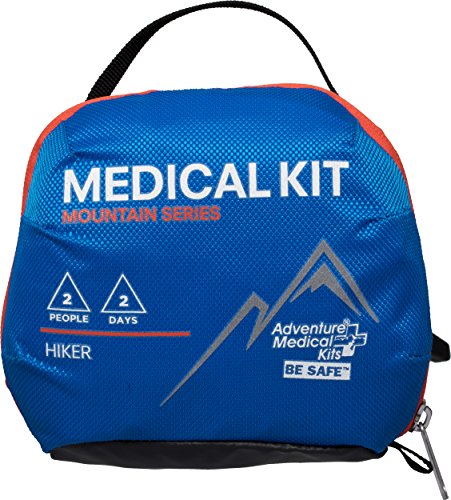
A must-have companion when you and a friend hit the trail for a day or two, the Hiker is equipped with carefully-selected supplies tailored to meet any basic first aid needs you might experience along the way
Essential Components of a Hiking First Aid Kit
Choosing the right container: Lightweight, durable, and waterproof options
Selecting the appropriate container for your hiking first aid kit is crucial for ensuring its effectiveness and longevity. Considerations such as weight, durability, and water resistance are paramount when choosing the ideal container for your needs.
Opt for a lightweight and compact container that won’t add unnecessary weight to your backpack. Look for durable materials like hard plastic or fabric with reinforced stitching to withstand the rigors of outdoor adventures. Additionally, ensure that the container is waterproof or comes with a waterproof cover or bag to protect the contents from moisture and rain.
Adhesive bandages and wound dressings
Adhesive bandages, commonly known as band-aids, are a fundamental component of any hiking first aid kit. They are versatile and can be used to cover small cuts, blisters, or abrasions. Opt for a variety of sizes and shapes to cater to different wound sizes and locations.
In addition to adhesive bandages, include sterile gauze pads and adhesive tape for larger wounds or to secure dressings. Consider adding self-adhesive bandages, such as cohesive wrap or elastic bandages, which can provide compression and support for sprained joints or help secure dressings in place.
Antiseptic wipes, ointments, and creams
Maintaining proper wound hygiene is crucial to prevent infections in the wilderness. Include antiseptic wipes or solutions to clean wounds effectively. Alcohol wipes or antiseptic swabs are convenient and compact options for disinfection.
Antibiotic ointments or creams, such as bacitracin or neomycin, are essential for preventing infection in minor cuts and scrapes. They create a protective barrier and promote healing. Additionally, consider including hydrocortisone cream for relieving itchiness due to insect bites or allergic reactions.
Tweezers, scissors, and safety pins
Tweezers are invaluable for removing splinters, ticks, or other foreign objects embedded in the skin. Look for a pair with a fine tip for precision and ensure they are made of stainless steel for durability and easy cleaning.
A pair of sharp, compact scissors is indispensable for cutting tape, clothing, or bandages. Look for rounded or blunt-tipped scissors to prevent accidental injuries.
Safety pins can serve various purposes, such as securing bandages or slings, improvising gear repairs, or removing thorns or splinters. Include a few different sizes in your kit to accommodate various needs.
Medications for common ailments
Hiking can expose you to various ailments and discomforts, so it’s crucial to include medications to address common issues. Pain relievers like acetaminophen or ibuprofen can alleviate headaches, muscle pain, or minor injuries.
Antihistamines, such as diphenhydramine, are useful for allergic reactions, insect bites, or hay fever symptoms. Include both oral and topical antihistamines for comprehensive coverage.
If you have known allergies or specific medical conditions, ensure you include any necessary prescription medications or specialized treatments. Consult with your healthcare provider to ensure you have an adequate supply for the duration of your hike.
Essential tools for splinting and immobilization
Injuries such as sprains or fractures may require splinting or immobilization before seeking medical help. Include items such as triangular bandages, SAM splints, or inflatable splints to provide support and stability to injured limbs.
Consider adding an elastic wrap or compression bandage to help reduce swelling or provide support for sprained joints. These versatile tools can be used for multiple purposes and are valuable additions to your hiking first aid kit.
Emergency communication devices
In case of emergencies, having reliable communication devices can be a lifeline. Include items such as a whistle or signal mirror to attract attention from rescuers. Carry a fully charged mobile phone or invest in a satellite communication device like a personal locator beacon (PLB) or satellite phone for remote areas where cell reception may be unreliable.
Remember to familiarize yourself with the operation and limitations of these devices before heading out on your hike. Ensure they are easily accessible within your kit and keep them protected in waterproof bags or cases.
By including these essential components in your hiking first aid kit, you are equipping yourself with the tools necessary to address a wide range of injuries and ailments. In the next section, we will discuss tailoring your first aid kit to specific hiking conditions, taking into account factors such as the duration of your hike, remoteness of the area, and environmental considerations.
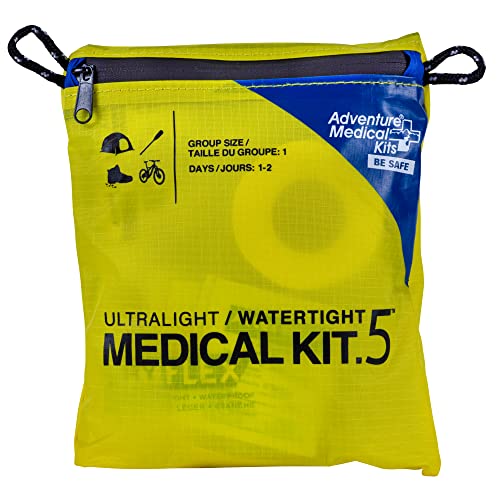
Designed for Multi-Sport Athletes. Switch from backpacking to kayaking to climbing without changing your first aid kit. Originally designed for adventure racing, this medical kit will perform for any and every outdoor sport
Tailoring Your First Aid Kit to Specific Hiking Conditions
Day hikes vs. multi-day hikes: Different considerations and requirements
The duration of your hike plays a significant role in determining the contents of your hiking first aid kit. For day hikes, where you expect to return to civilization within a few hours, a compact and streamlined kit may suffice. Focus on essential items like adhesive bandages, antiseptic wipes, pain relievers, and basic tools such as tweezers and scissors.
On the other hand, multi-day hikes require a more comprehensive approach. Consider the potential for more significant injuries or illnesses, as well as the need to manage medical situations until professional help can be obtained. In addition to the basics, include additional wound dressings, medications, and tools for splinting or immobilization. Plan for a sufficient supply of any necessary prescription medications and consider carrying a small medical manual or guide for reference.
Hiking in remote areas: Additional supplies for extended timeframes
If you plan to hike in remote or wilderness areas, where access to medical facilities may be limited or non-existent, it is crucial to be self-sufficient and prepared for potential emergencies. In addition to the standard items, consider including:
-
Water purification tablets or filters: Ensure a clean and safe water supply to prevent gastrointestinal issues or dehydration. Research the water sources in your hiking area to determine the most suitable method for purification.
-
Emergency shelter: Carry lightweight emergency shelters, such as space blankets or bivy sacks, in case of unexpected overnight stays due to injuries or inclement weather.
-
Extra food and energy bars: Pack high-energy snacks and additional food rations to sustain yourself in case of extended stays or unexpected delays.
-
Navigation tools: Carry a map, compass, and/or GPS device to help navigate through unfamiliar territory and minimize the risk of getting lost.
-
Additional clothing layers: Pack extra clothing layers appropriate for the expected weather conditions, including rain gear, thermal layers, and hats, to protect against hypothermia and other temperature-related issues.
Hiking in specific environments (mountains, deserts, forests, etc.): Specialized items to include
Different hiking environments come with unique challenges and risks, requiring specialized items to address specific needs. Consider the following additions to your hiking first aid kit based on the environment you’ll be hiking in:
-
Mountainous terrain: Include altitude sickness medication, blister prevention and treatment supplies, and thermal blankets or emergency sleeping bags for temperature fluctuations.
-
Desert hiking: Carry extra quantities of water and electrolyte replacement tablets to combat dehydration. Include wide-brimmed hats, sunscreen, and lip balm with high SPF to protect against intense sun exposure.
-
Forested areas: Include insect repellents, tick removal tools, and calamine lotion for insect bites and stings. Consider including a snakebite kit if hiking in regions with venomous snakes.
-
Coastal or aquatic environments: Pack waterproof adhesive dressings and antiseptic solutions for treating saltwater-related wounds. Consider carrying a whistle or signaling devices specific to water rescue situations.
By tailoring your hiking first aid kit to the specific conditions you anticipate encountering, you increase your preparedness and ability to handle potential emergencies effectively.
In the next section, we will explore practical tips for packing and organizing your hiking first aid kit to ensure easy access and efficient use of its contents.

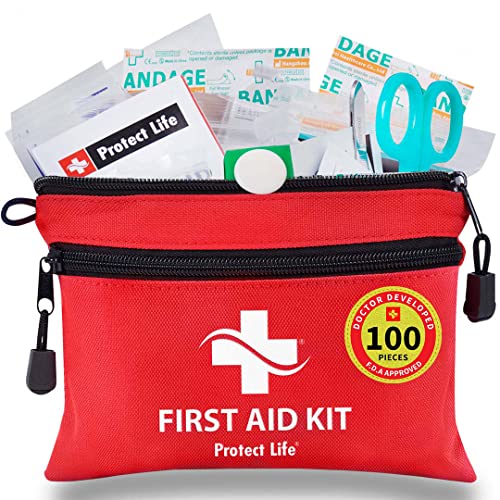
Packed with 110 Pieces useful and valuable hospital grade first aid supplies - See the product images and the product description below for a full list of contents.
Packing and Organizing Your First Aid Kit
Properly storing and organizing items for easy accessibility
Efficient organization of your hiking first aid kit is crucial for quick access to the items you need during an emergency. Consider the following tips for storing and organizing your supplies:
-
Categorize items: Group similar items together, such as adhesive bandages, wound dressings, medications, and tools. This categorization makes it easier to locate specific items when needed.
-
Use clear, resealable bags: Place items in clear, resealable bags to keep them organized, visible, and protected from moisture. Group items by category and label each bag accordingly.
-
Utilize small containers or pill organizers: Use small containers or pill organizers to store medications, creams, and ointments separately. This keeps them secure and prevents accidental spills or contamination.
-
Consider color-coding: Assign colors to different categories of items or use color-coded labels for quick identification. This visual organization can help you locate items rapidly during high-stress situations.
-
Prioritize frequently used items: Place frequently used items, such as adhesive bandages and antiseptic wipes, in easily accessible compartments or pockets to avoid rummaging through the entire kit for basic needs.
Optimizing space and weight considerations in your backpack
Space and weight are critical factors to consider when packing your hiking first aid kit. Here are some strategies to optimize both:
-
Select lightweight and compact versions: Opt for travel-sized or lightweight versions of items whenever possible. Look for mini-sized containers of antiseptic solutions, travel-sized medication packs, and lightweight bandages to reduce bulk and weight.
-
Use multipurpose items: Choose items that serve multiple purposes to minimize redundancy. For example, a multi-tool with built-in scissors and tweezers eliminates the need to carry separate tools.
-
Consider compressed or vacuum-sealed packaging: Some items, like wound dressings or emergency blankets, are available in compressed or vacuum-sealed packaging, reducing their size and maximizing space in your kit.
-
Share items within a hiking group: If hiking in a group, distribute items that can be shared among group members to minimize duplication and weight. Coordinate with fellow hikers to ensure everyone has the necessary supplies without unnecessary excess.
-
Regularly review and refresh your kit: Periodically assess your hiking first aid kit and remove expired medications, restock used items, and replace any damaged or compromised supplies. This ensures your kit remains up to date, functional, and lightweight.
By organizing and optimizing the space and weight of your hiking first aid kit, you ensure that it remains compact, easily accessible, and unobtrusive within your backpack.
Regularly checking and restocking your first aid kit
Maintaining a well-stocked hiking first aid kit requires regular checks and restocking. Follow these guidelines to keep your kit updated:
-
Check expiration dates: Review the expiration dates of medications, ointments, creams, and other consumables in your kit. Replace any expired items promptly to ensure their effectiveness when needed.
-
Assess supply levels: Regularly assess the quantity of supplies in your kit. Restock adhesive bandages, wound dressings, and other consumables that have been used or are running low.
-
Consider seasonal adjustments: Review and adjust your kit based on the season and expected environmental conditions. For example, in colder months, add additional thermal blankets or hand warmers, while in warmer months, prioritize sunscreen and insect repellents.
-
Stay informed about changes in personal health needs: If your health status or medication requirements change, update your first aid kit accordingly. Consult your healthcare provider to ensure you have the necessary medications and supplies specific to your needs.
By maintaining a regular schedule of checking and restocking your hiking first aid kit, you ensure that it remains up to date, functional, and ready to handle any emergency situation that may arise during your hikes.
In the next section, we will explore the importance of first aid training and preparation to complement your well-stocked hiking first aid kit.
First Aid Training and Preparation
Basic first aid skills every hiker should possess
Having a well-stocked hiking first aid kit is essential, but possessing the knowledge and skills to utilize it effectively is equally important. Consider investing the time and effort to obtain basic first aid training. Here are some fundamental skills every hiker should possess:
-
CPR and AED training: Cardiopulmonary resuscitation (CPR) and automated external defibrillator (AED) training can be life-saving in situations involving cardiac arrest. Learn how to perform proper chest compressions and use an AED to increase the chances of survival.
-
Wound management: Learn how to clean wounds, apply appropriate dressings, and control bleeding. Understand the different types of wounds, such as puncture wounds, lacerations, or abrasions, and the appropriate methods for managing each.
-
Fracture and sprain management: Gain knowledge of how to stabilize fractures and sprains using splints or immobilization techniques. Learn when to apply cold or heat therapy for pain management and understand the signs of more severe injuries that may require professional medical attention.
-
Recognizing and managing common ailments: Learn to identify and respond to common hiking ailments such as heat exhaustion, dehydration, hypothermia, allergic reactions, or altitude sickness. Understand the signs and symptoms associated with each condition and how to provide initial care and comfort.
-
Improvisation and resourcefulness: Hiking often takes you far from medical facilities, so learn how to improvise with available resources. Practice using materials in your environment to create splints, slings, or bandages when standard medical supplies may be limited.
Pre-hike preparation: Informing others about your plans and emergency contacts
Before setting out on any hiking adventure, it is essential to inform someone reliable about your plans. Share details such as your planned route, estimated duration, and emergency contacts. This information can be crucial in case of an unexpected situation where help is needed.
Provide a trusted person with a detailed itinerary and specify a check-in schedule. If possible, establish a communication plan to ensure regular updates. This preparation enhances your safety by ensuring that someone knows where you are and can take action if you do not return as planned.
Communication and signaling techniques in case of emergencies
When faced with an emergency situation during a hike, effective communication can make a significant difference. Familiarize yourself with different communication and signaling techniques:
-
Shouts and whistles: Learn the proper techniques for shouting and using a whistle to attract attention. Three short whistle blasts or loud shouts can be universally recognized as distress signals.
-
Visual signals: Carry a signal mirror or other reflective objects to attract attention from rescue teams or passing aircraft. Learn how to use these signaling devices effectively, including aiming the mirror towards the target and flashing it in a specific pattern.
-
Emergency beacons: If hiking in remote areas, consider carrying personal locator beacons (PLBs) or satellite communication devices. Activate these devices in emergencies to transmit distress signals and provide your precise location to rescue teams.
Understanding when and how to seek professional medical help
While a well-prepared hiking first aid kit and first aid training can help address many situations, there are instances when professional medical help is necessary. Understanding when and how to seek professional assistance is vital:
-
Assess the severity of the injury or illness: Evaluate the severity of the condition based on the signs and symptoms. If the situation is life-threatening, deteriorating rapidly, or beyond your capacity to manage, seek immediate professional medical help.
-
Activate emergency services: If possible, contact local emergency services or the appropriate authorities to report the situation and request assistance. Provide clear and concise information about your location, the nature of the emergency, and any pertinent details that can help responders.
-
Evacuation procedures: Familiarize yourself with evacuation procedures specific to your hiking area. Understand the available options, such as helicopter rescues, trailhead extraction, or assistance from park rangers. If necessary, follow designated evacuation routes and instructions.
Remember, professional medical help should be sought when a situation exceeds your training and equipment’s capabilities or when immediate intervention is required. Always prioritize your safety and the safety of others when making decisions.
By obtaining first aid training, preparing for emergencies, and understanding when to seek professional medical help, you enhance your ability to respond effectively to hiking-related incidents. The combination of a well-stocked hiking first aid kit and the knowledge to utilize it properly creates a comprehensive approach to wilderness safety.
In the next section, we will discuss additional considerations and tips to personalize your hiking first aid kit and collaborate on first aid responsibilities when hiking with a group.
Additional Considerations and Tips
Personalizing your first aid kit based on individual health needs
Every hiker is unique, with specific health considerations that should be taken into account when preparing a hiking first aid kit. Consider personalizing your kit by including items tailored to your specific needs:
-
Medications: If you have chronic conditions such as asthma, allergies, or diabetes, ensure you have an adequate supply of necessary medications, including spare inhalers, EpiPens, or insulin.
-
Medical history and contact information: Include a copy of your medical history, relevant allergies, and emergency contact information in your first aid kit. This information can be crucial for medical professionals in case you are unable to provide it yourself.
-
Personal protective equipment: If you have specific sensitivities or conditions, such as a latex allergy or respiratory issues, include appropriate personal protective equipment such as non-latex gloves or face masks.
By personalizing your hiking first aid kit, you ensure that you have the necessary supplies to address your specific health needs while on the trail.
Hiking with a group: Collaborative first aid planning and responsibilities
If hiking with a group, it is essential to collaborate on first aid planning and responsibilities. Consider the following tips for a cohesive approach:
-
Assign a first aid leader: Designate someone in the group as the first aid leader responsible for overseeing the first aid kit, coordinating medical responses, and ensuring everyone is informed and prepared.
-
Share knowledge and skills: Encourage all group members to acquire basic first aid training. This way, multiple individuals will have the skills to respond to emergencies and assist each other if needed.
-
Distribute supplies: Divide the first aid kit’s contents among group members, ensuring each person carries a portion of the supplies. This distribution minimizes the risk of losing the entire kit and ensures that necessary items are always within reach.
-
Establish a communication plan: Define a clear communication plan within the group, including designated meeting points, check-in times, and signals for emergencies. Regularly update each other on any changes or concerns regarding health or well-being.
-
Practice scenarios: Conduct practice scenarios or simulations to familiarize the group with first aid procedures and responses to different emergencies. This practice builds confidence and ensures everyone understands their roles and responsibilities.
By collaborating on first aid planning and responsibilities within a group, you enhance the overall safety and preparedness of the hiking experience for everyone involved.
Creating a hiking first aid kit checklist for easy reference
To ensure you do not overlook any essential items when assembling or restocking your hiking first aid kit, create a comprehensive checklist. This checklist serves as a quick reference guide and can be customized to fit your specific needs and hiking conditions.
Include categories such as wound care, medications, tools, personal items, and emergency communication devices. Under each category, list the specific items you need, along with the desired quantities. Regularly review and update the checklist to reflect any changes in your hiking needs or medical requirements.
Having a checklist helps streamline the process of preparing and maintaining your hiking first aid kit, ensuring that you have all the necessary supplies for a safe and enjoyable hiking experience.
A well-prepared hiking first aid kit is a vital component of any hiker’s gear. By understanding the basics of hiking first aid, selecting the essential components, tailoring the kit to specific hiking conditions, organizing and packing it efficiently, and acquiring first aid training, you enhance your preparedness and ability to respond effectively to emergencies in the wilderness.
Remember, a hiking first aid kit is only as effective as the knowledge and skills you possess. Invest in your training, collaborate with fellow hikers, and stay prepared for the unexpected. By prioritizing safety and responsible hiking practices, you can fully enjoy the wonders of nature while ensuring a safe and enjoyable hiking experience.
Safe Steps Forward: Embrace the Outdoors with Confidence and a Well-Prepared First Aid Kit
Building a comprehensive hiking first aid kit is an essential aspect of responsible hiking and trekking. By investing time, effort, and careful consideration into assembling a well-stocked kit, you are taking proactive steps to enhance your safety, preparedness, and peace of mind while exploring the great outdoors.
Throughout this article, we have explored the various aspects of building a hiking first aid kit. We discussed the importance of understanding the basics of hiking first aid, such as assessing potential risks and familiarizing yourself with common injuries and ailments. We emphasized the significance of taking a first aid course or certification to gain the knowledge and skills necessary to utilize your kit effectively.
We delved into the essential components of a hiking first aid kit, ranging from adhesive bandages and wound dressings to medications, tools, and emergency communication devices. We discussed the importance of tailoring your kit to specific hiking conditions, whether it be day hikes or multi-day expeditions, remote areas, or specific environments like mountains, deserts, or forests.
Furthermore, we explored practical tips for packing and organizing your kit to optimize space and weight considerations. Regularly checking and restocking your kit ensures that it remains up to date and ready to handle emergencies when needed. We also discussed the significance of personalizing your kit based on individual health needs and collaborating on first aid planning and responsibilities when hiking with a group.
By following these guidelines and incorporating them into your hiking routine, you are demonstrating a commitment to safety, preparedness, and responsible outdoor exploration. However, it is important to remember that a hiking first aid kit is just one component of wilderness safety. It should be complemented by other essential practices such as proper trip planning, navigation skills, and adhering to Leave No Trace principles.
Finally, we cannot emphasize enough the importance of acquiring first aid training and preparation. Obtaining the necessary knowledge and skills equips you to handle emergencies effectively, be of assistance to fellow hikers, and make informed decisions when seeking professional medical help.
As you embark on your hiking adventures, remember that a well-prepared hiking first aid kit is a valuable companion. Regularly review and update its contents, practice your first aid skills, and stay informed about the latest medical techniques and recommendations. By doing so, you are embracing a culture of safety, preparedness, and responsible outdoor exploration.
Now, it’s time to lace up your boots, check your first aid kit, and hit the trails with confidence, knowing that you are well-prepared to handle whatever challenges may come your way. Happy hiking!