Tenkara Fishing for Beginners
Tenkara fly fishing: A Simple and Effective Method for Beginners
Tenkara fly fishing is a traditional method of fly fishing that originated in Japan. It is known for its simplicity and effectiveness, making it a great option for beginners to the sport.
Unlike traditional fly fishing, Tenkara does not use a reel. Instead, the line is attached directly to the rod, allowing for a more intuitive and natural casting motion. This simplicity, along with the fact that Tenkara rods are typically shorter and lighter than traditional fly fishing rods, makes it easier for beginners to learn and master the technique.
In addition to its simplicity, Tenkara is also highly effective for catching fish. The long, flexible Tenkara rod allows for a delicate presentation of the fly, making it more appealing to fish. The lack of a reel also allows the angler to feel the take and the fight of the fish more directly, enhancing the overall fishing experience.
Tenkara fly fishing has a long history in Japan, where it was originally used for catching trout in mountain streams. It has gained popularity in recent years as a method of fly fishing in the Western world and is now enjoyed by anglers around the globe.
Overall, Tenkara fly fishing is a great option for beginners due to its simplicity and effectiveness. It offers a unique and enjoyable fishing experience that can be enjoyed in a variety of environments.
Getting Started with Tenkara Fly Fishing
Getting started with Tenkara fly fishing is relatively easy, but there are a few key pieces of equipment and techniques that beginners should be familiar with in order to have the most successful and enjoyable experience.
First and foremost, choosing the right Tenkara rod and line is crucial. Tenkara rods come in a range of lengths and flexibilities, and the right choice will depend on the size and type of water you will be fishing in, as well as your personal preference. It’s a good idea to do some research and perhaps try out a few different rods before making a purchase.
In terms of line, Tenkara uses a specialized type of braided line called a furled line. These lines are hand-crafted and offer a smooth, natural presentation of the fly. They are also more resistant to tangles and knots compared to traditional fly lines.
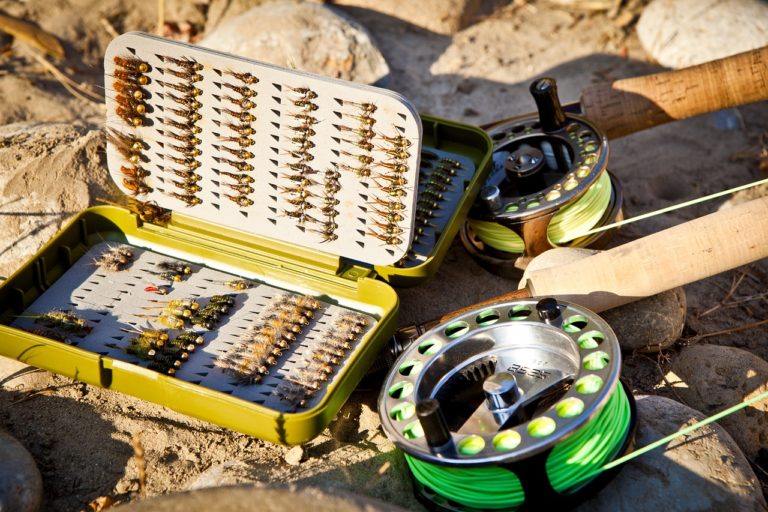
Selecting the right flies and other tackle is also important. Tenkara typically uses a single, unweighted fly, called a kebari, which is tied to the end of the line. Kebari come in a range of patterns and sizes, and the right choice will depend on the type of fish you are targeting and the conditions of the water. It can be helpful to start with a selection of basic patterns and then experiment with more specialized flies as you gain experience.
In addition to the fly, you may also want to bring along a small selection of tippet material and split shot weights to adjust the depth and presentation of your fly.
Once you have the right equipment, the next step is to practice your casting and presenting the fly. Tenkara casting is done using a simple overhead cast, similar to traditional fly fishing. It can take some practice to get the hang of it, but the simplicity of the Tenkara setup makes it easier for beginners to learn. When presenting the fly, the key is to use a delicate touch and pay attention to the movements of the fly in the water.
With a little bit of practice and the right equipment, you’ll be well on your way to enjoying the unique and rewarding experience of Tenkara fly fishing.
Techniques for Successful Tenkara Fly Fishing
While Tenkara fly fishing is relatively simple and straightforward, there are still a few techniques that can help beginners be more successful on the water.
One of the most important techniques for successful Tenkara fly fishing is reading the water and selecting the right fly. This involves observing the flow and structure of the water, as well as the type of insects and other food sources that are present. By choosing a fly that closely mimics the natural food sources in the water, you increase your chances of attracting the attention of fish.
In addition to selecting the right fly, stealth and presentation are also key factors in Tenkara fishing. Because Tenkara uses a long, flexible rod and a delicate, unweighted fly, it is important to approach the water and present the fly with a gentle touch. This will help you avoid spooking the fish and increase your chances of a successful catch.
Another important technique to consider is adjusting your technique for different conditions and species. Different types of water and weather conditions can affect the behavior of fish and the effectiveness of different flies and techniques. For example, in fast-moving water, you may need to use a heavier fly or add split shot weights to get your fly down to the level of the fish. In calmer water, a lighter, more subtle presentation may be more effective. Similarly, different species of fish may have preferences for certain types of flies or presentations. By learning to adapt your technique to the specific conditions and species you are targeting, you can increase your success on the water.
Overall, mastering these techniques will take time and practice, but by paying attention to the details and being willing to experiment, you can greatly improve your Tenkara fly fishing skills.
Tenkara Fly Fishing in Different Environments
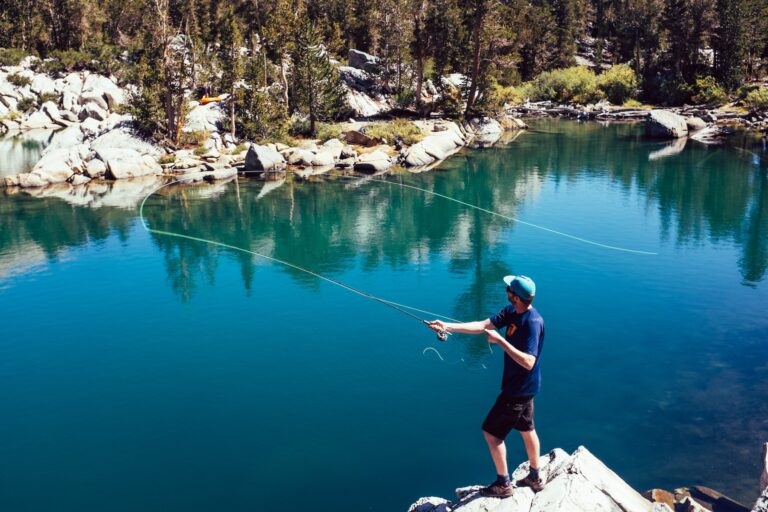
Tenkara fly fishing can be enjoyed in a variety of environments, from small streams and creeks to larger rivers and lakes. Each type of water has its own unique characteristics and challenges, and adapting your technique to the specific environment can increase your chances of success.
Tenkara is particularly well-suited for small streams and creeks due to the simplicity and versatility of the gear. The long, flexible Tenkara rod allows you to easily reach into tight quarters and present the fly to wary fish in small pools and eddies. In these environments, stealth and presentation are key, as the fish are often highly pressured and easily spooked.
Larger rivers and lakes can also be great environments for Tenkara fly fishing, although the technique may need to be adapted slightly. In these environments, you may need to use a heavier fly or add split shot weights to get your fly down to the level of the fish. You may also need to use a longer rod to cover more water and reach deeper holes.
Regardless of the environment, it’s important to pay attention to the conditions and choose the right fly and technique accordingly. In addition to the size and type of water, other factors such as the season and weather can also affect the behavior of fish and the effectiveness of different techniques. For example, in the colder months, fish may be more sluggish and less likely to rise to the surface, requiring a different approach and perhaps a more subtle fly presentation.
By learning to adapt your Tenkara fly fishing technique to different environments and conditions, you can increase your success and enjoyment on the water.
Advanced Tenkara Fly Fishing Techniques
While Tenkara fly fishing is relatively simple and straightforward, there are still many advanced techniques that experienced anglers can learn and master. These techniques can help you target specific species and adapt to challenging conditions, ultimately leading to a more successful and enjoyable fishing experience.
One advanced technique that is particularly relevant to Tenkara fly fishing is kebari tying. Kebari are the traditional, unweighted flies used in Tenkara, and tying your own can be a rewarding and creative way to customize your fly selection and better match the natural food sources in the water. There are many different patterns and styles of kebari, and learning to tie your own can be a fun and educational way to take your Tenkara skills to the next level.
Another advanced technique that is popular in Tenkara is high-stick nymphing. This technique involves using a shorter, stiffer Tenkara rod and a weighted fly to target fish that are holding in deeper faster-moving water. It requires precise casting and line control, as well as a good understanding of the water and the behavior of the target species.
By learning and mastering these advanced techniques, you can add new dimensions to your Tenkara fly fishing skills and increase your success on the water. However, it’s important to remember that Tenkara is about simplicity and enjoyment, and there is no need to rush into advanced techniques if you are still learning and enjoying the basics.
Overall, Tenkara fly fishing offers a lifetime of learning and exploration for anglers of all skill levels. Whether you are a beginner or an experienced angler, there is always something new to learn and discover on the water.
Mastering the Techniques of Tenkara fly fishing for Success on the Water
In conclusion, Tenkara fly fishing is a traditional method of fly fishing that originated in Japan and is known for its simplicity and effectiveness. It is a great option for beginners due to the ease of learning the technique and the intuitive nature of the gear.
To get started with Tenkara fly fishing, it is important to choose the right Tenkara rod and line, as well as select the right flies and other tackle. Practice your casting and presenting the fly, and pay attention to techniques such as reading the water and selecting the right fly, stealth and presentation, and adapting to different conditions and species.
Tenkara fly fishing can be enjoyed in a variety of environments, from small streams and creeks to larger rivers and lakes. It is important to adapt your technique to the specific environment and conditions in order to increase your success and enjoyment on the water.
For those who are interested in taking their Tenkara skills to the next level, there are many advanced techniques to explore, such as kebari tying and high-stick nymphing. However, it’s important to remember that Tenkara is about simplicity and enjoyment, and there is no need to rush into advanced techniques if you are still learning and enjoying the basics.
Overall, Tenkara fly fishing is a unique and rewarding experience that offers something for anglers of all skill levels. If you are a beginner interested in trying Tenkara fly fishing, we encourage you to give it a try and see for yourself the simplicity and effectiveness of this traditional method.