Trail Savers: The Complete Guide to Hiking Knee Braces
Protecting Your Knees: Unleash the Power of Hiking Knee Braces
When it comes to exploring the great outdoors and embarking on thrilling hiking adventures, the health and well-being of our knees often take center stage. As avid hikers, we understand the immense joy and sense of accomplishment that comes from conquering challenging trails and witnessing breathtaking vistas. However, it’s crucial to acknowledge that hiking can take a toll on our bodies, particularly our knees, which bear the brunt of the impact with each step we take.
For those who have been hiking for years, you may be all too familiar with the occasional twinges, soreness, or even more severe knee discomfort that can arise during or after a hike. Perhaps you’re a beginner, eager to hit the trails but concerned about protecting your knees from potential injuries. No matter where you stand on the hiking spectrum, one essential piece of equipment that can significantly enhance your hiking experience and safeguard your knee health is the humble knee brace.
In this comprehensive guide, we will delve deep into the world of hiking knee braces, exploring their functionality, benefits, and the various types available to hikers. We will uncover the secrets of choosing the right knee brace that suits your individual needs and discuss essential tips for wearing and maintaining them effectively on the trail. Moreover, we’ll explore prehabilitation techniques and injury prevention strategies to keep your knees strong and resilient before, during, and after your hikes.
Why should knee braces be on your radar as a hiker? These remarkable devices are designed to provide crucial support, stability, and protection to your knees, minimizing the risk of common hiking-related knee injuries and alleviating discomfort. Whether you’re dealing with existing knee issues, such as tendonitis or mild arthritis, or simply looking to prevent future problems, knee braces can make a remarkable difference in your hiking experience.
Throughout this article, we will unravel the mysteries surrounding knee braces, providing you with the knowledge and insights needed to make informed decisions about integrating them into your hiking routine. However, it’s important to note that while knee braces can be a valuable tool, they are not a cure-all solution. If you’re experiencing chronic pain or a severe knee injury, consulting with a medical professional is always recommended.
Join us on this journey as we explore the world of hiking knee braces, drawing upon over 40 years of hiking experience, expertise, and insights from thought leaders in the field. We will guide you through the vast array of knee brace options available, help you understand their functions, and equip you with the knowledge to select the perfect knee brace for your hiking needs. Together, let’s embark on a quest to protect and support our knees, ensuring that our hiking adventures are filled with joy, exploration, and a strong foundation of knee health.
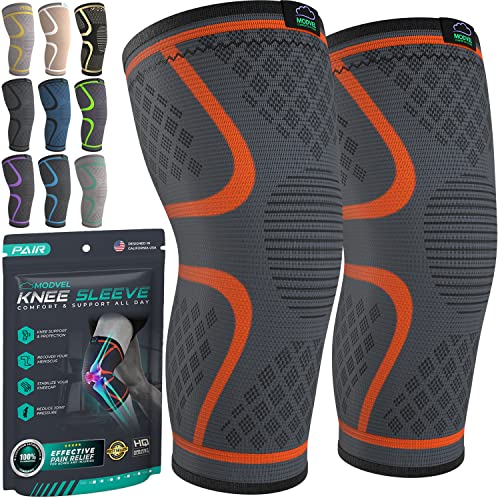
7 Sizes Available: From petite knee brace sleeve up to plus size compression sleeve, we got you covered. We made a wide variation of sizes from XS to 3XL to give knee relief and protection for all sizes
Understanding the Knee
Anatomy of the knee joint
To truly appreciate the importance of knee braces in hiking, it’s crucial to have a basic understanding of the intricate anatomy of the knee joint. The knee is a complex hinge joint that connects the thigh bone (femur) to the shin bone (tibia). It also involves the kneecap (patella) and smaller bones, ligaments, tendons, and cartilage that work in unison to provide stability, mobility, and shock absorption.
Within the knee joint, there are two crucial types of cartilage: the smooth, slippery articular cartilage that covers the ends of the femur and tibia, and the menisci, which are C-shaped discs that act as cushions between these bones. These structures enable smooth movement and distribute forces evenly across the knee joint during activities like walking, running, and hiking.
Common knee injuries and conditions among hikers
Hiking, with its uneven terrains, steep descents, and prolonged periods of stress on the knees, can contribute to a variety of knee injuries and conditions. Some of the common knee issues that hikers may encounter include:
-
Patellar Tendonitis: Also known as “jumper’s knee,” this condition involves inflammation and irritation of the patellar tendon, which connects the patella to the tibia. It can result from repetitive stress or overuse, leading to pain and tenderness just below the kneecap.
-
Iliotibial (IT) Band Syndrome: The iliotibial band is a thick band of fibrous tissue that runs along the outside of the thigh, from the hip to the shin. Overuse or excessive friction of this band against the outer part of the knee can cause IT band syndrome. Hikers may experience pain and swelling on the outer side of the knee.
-
Meniscus Tears: The menisci are vulnerable to tears, particularly during twisting or sudden movements. Meniscus tears can cause pain, swelling, stiffness, and limited range of motion. Hikers may experience these injuries due to uneven terrain or abrupt changes in direction.
-
Patellofemoral Pain Syndrome (PFPS): PFPS, also known as “runner’s knee,” is characterized by pain in the front of the knee, around or behind the kneecap. It can be caused by muscle imbalances, poor alignment of the patella, or excessive stress on the knee joint, often from repetitive movements like hiking.
The role of knee braces in preventing and managing knee issues
Knee braces can play a vital role in preventing and managing knee issues among hikers. They provide support, stability, and compression to the knee joint, helping to alleviate pain, reduce inflammation, and protect against further injuries. While knee braces cannot magically cure underlying conditions or heal severe injuries, they can offer significant benefits, such as:
-
Support and Stability: Knee braces are designed to reinforce the knee joint, providing stability to weakened or injured areas. They can help hikers with preexisting knee conditions, such as arthritis, to continue enjoying their outdoor pursuits with enhanced support.
-
Compression and Pain Relief: Many knee braces offer compression therapy, which can help reduce swelling, inflammation, and pain. This feature is particularly useful for hikers who experience discomfort during or after their adventures.
-
Injury Prevention: By providing external support and minimizing excessive movement or stress on the knee joint, knee braces can help reduce the risk of certain knee injuries. They can act as a preventative measure, especially when hiking challenging terrains or engaging in activities that put strain on the knees.
Understanding the complexity of the knee joint and the potential risks associated with hiking will further emphasize the importance of knee braces. In the next section, we will explore the different types of knee braces available, each with unique features and benefits catered to specific hiking conditions and scenarios. Stay tuned as we dive deeper into the world of knee braces and discover the perfect fit for your hiking adventures.

Compression Knee Sleeve with Patella Gel Pad & Side Stabilizers, Knee Support Bandage for Pain Relief, Medical Knee Pad for Running, Workout, Arthritis, Joint Recovery
Types of Knee Braces
When it comes to selecting a knee brace for hiking, you’ll encounter various options, each designed to cater to specific needs and provide different levels of support. Understanding the different types of knee braces available will empower you to make an informed decision based on your unique requirements and the nature of your hiking activities.
Knee Sleeves
Knee sleeves are a popular choice among hikers due to their versatility, lightweight design, and ease of use. These elastic and stretchy sleeves are slipped onto the knee, providing compression and support to the entire joint. Here’s what you need to know about knee sleeves:
-
Function and benefits:
-
Compression: Knee sleeves exert gentle pressure on the knee, promoting blood circulation and reducing swelling and inflammation.
-
Stability: They offer mild stability by improving proprioception, which is the body’s awareness of its position in space. This can enhance knee joint alignment and minimize the risk of injuries caused by misalignment.
-
-
Suitable hiking conditions and scenarios:
-
Mild to moderate knee discomfort or pain
-
General knee support and stabilization
-
Prevention of mild knee injuries
-
Management of conditions like mild arthritis or patellar tendonitis
-
-
Pros and cons:
-
Pros: Lightweight and breathable, allowing for unrestricted movement. Suitable for most hiking conditions and can be worn comfortably under clothing or alongside other gear.
-
Cons: Limited support for severe knee injuries or chronic conditions. May not provide enough stability for extremely strenuous or high-impact activities.
-
Wraparound Knee Braces
Wraparound knee braces offer a step up in terms of support and stability compared to knee sleeves. They feature adjustable straps that wrap around the knee, allowing for a customized fit and targeted compression. Let’s explore the key features of wraparound knee braces:
-
Function and benefits:
-
Adjustable support: The straps on wraparound knee braces can be tightened or loosened to provide the desired level of support and compression.
-
Enhanced stability: The wraparound design offers more stability compared to knee sleeves, making them suitable for hikers with mild to moderate knee instability or ligament strains.
-
-
Suitable hiking conditions and scenarios:
-
Mild to moderate ligament sprains or instability
-
Extra support during hikes with uneven terrain or steep descents
-
Rehabilitation following knee injuries
-
Precautionary measure for individuals with a history of knee instability
-
-
Pros and cons:
-
Pros: Adjustable fit and customizable support. Increased stability compared to knee sleeves. Can be worn during most hiking activities and easily adjusted for comfort.
-
Cons: May be bulkier than knee sleeves, potentially causing discomfort in hot weather or under certain clothing or gear. Not designed for severe knee injuries or advanced-stage conditions.
-
Hinged Knee Braces
Hinged knee braces are the most supportive and rigid option among knee braces. They feature metal or plastic hinges on both sides of the knee, offering enhanced stability and limiting excessive movement. Let’s explore the key aspects of hinged knee braces:
-
Function and benefits:
-
Maximum support and stability: The hinges provide controlled movement and prevent hyperextension or excessive lateral movement of the knee joint.
-
Post-injury recovery: Hinged knee braces are often used during rehabilitation after severe knee injuries or surgeries to promote healing and protect the joint.
-
-
Suitable hiking conditions and scenarios:
-
Severe ligament injuries, such as ACL tears
-
Post-operative rehabilitation
-
Hiking with pre-existing knee instabilities
-
Hiking on challenging terrains or engaging in high-impact activities
-
-
Pros and cons:
-
Pros: Unmatched support and stability, especially for severe knee injuries. Suitable for demanding hiking conditions and those with a history of ligament instability.
-
Cons: Heavier and bulkier compared to knee sleeves or wraparound braces. Restricted movement due to the rigid design. May not be necessary for mild to moderate knee issues.
-
By understanding the different types of knee braces available, their functions, and the benefits they offer, you can choose the right knee brace that aligns with your specific needs and hiking activities. In the next section, we’ll explore the essential factors to consider when selecting a knee brace, ensuring you make a well-informed decision to protect and support your knees on the trails.
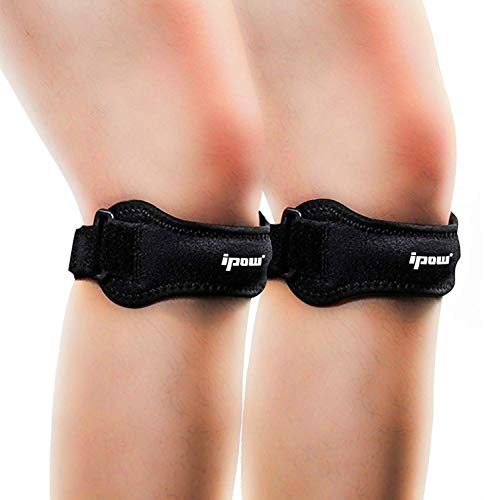
Shock-absorbing And Knee Pain Relief - Segmented fix design can make adjustment according personal knees’ curves to supply better protection of patella, and do make a difference for your knee
Choosing the Right Knee Brace
Selecting the right knee brace is crucial to ensure optimal support, comfort, and effectiveness during your hiking adventures. By considering several key factors, you can make an informed decision that aligns with your individual needs and maximizes the benefits of wearing a knee brace. Here are the essential factors to consider when choosing a knee brace for hiking:
Assessing your needs and knee condition
Before diving into the specifics of knee braces, take the time to assess your needs and evaluate your knee condition. Consider the following aspects:
-
Existing knee issues: Identify any pre-existing knee injuries, conditions, or areas of discomfort that may require additional support or protection.
-
Severity of the condition: Determine the severity of your knee condition, ranging from mild discomfort to more significant injuries or chronic conditions.
-
Activities and terrain: Evaluate the type of hiking activities you engage in and the terrains you encounter. Determine whether you require more stability and support for challenging terrains or if your hikes involve moderate, less demanding trails.
Factors to consider when selecting a knee brace
When choosing a knee brace for hiking, consider the following factors to ensure an optimal fit and functionality:
-
Comfort and fit:
-
Sizing: Ensure you select the appropriate size according to the manufacturer’s guidelines to achieve a comfortable and secure fit.
-
Range of motion: Consider the range of motion required for your hiking activities. Some knee braces offer more flexibility, while others restrict movement for maximum stability.
-
Padding and cushioning: Look for knee braces with adequate padding and cushioning to enhance comfort, particularly during prolonged hikes.
-
-
Support level:
-
Determine the level of support needed based on your knee condition and the demands of your hiking activities. Mild to moderate knee issues may require less support, while severe injuries or chronic conditions may necessitate maximum support.
-
-
Breathability and moisture-wicking properties:
-
Hiking can be physically demanding and cause excessive sweating. Look for knee braces that are made from breathable materials, allowing air circulation and moisture-wicking properties to keep your skin dry and comfortable.
-
-
Durability and material quality:
-
Consider the durability of the knee brace and the quality of the materials used. Opt for braces made from high-quality, durable materials that can withstand the rigors of hiking and provide long-lasting support.
-
Seeking professional advice and fitting assistance
If you’re unsure about the right knee brace for your needs, it’s advisable to seek professional advice from a healthcare provider, such as a sports medicine specialist or orthopedic professional. They can assess your knee condition, recommend specific knee braces, and provide guidance on fitting and usage.
Additionally, consider consulting with a fitting expert or specialist in outdoor gear. They can provide valuable insights, measure your knee accurately, and recommend the most suitable knee brace based on your individual requirements and hiking goals.
Remember, finding the right knee brace may involve some trial and error. It’s essential to try on different options, walk around, and simulate hiking movements to assess the fit, comfort, and support. Taking the time to choose the right knee brace will pay off in the long run, as it will provide the necessary support and protection for your knees during your hiking adventures.
In the next section, we’ll delve into important tips for wearing and maintaining your knee brace effectively while hiking, ensuring maximum comfort and durability on the trails.
Tips for Wearing and Maintaining Knee Braces
Proper usage and maintenance of your knee brace are crucial for ensuring optimal comfort, support, and longevity. To make the most of your hiking experience with a knee brace, consider the following tips:
Proper fitting and adjustments
-
Follow the manufacturer’s guidelines: Read and understand the manufacturer’s instructions regarding sizing and fitting to ensure you choose the correct size for your knee brace.
-
Secure but not overly tight: Adjust the straps or closures of your knee brace to achieve a secure fit without excessive tightness. It should provide stability and support without restricting circulation or causing discomfort.
-
Test movements: Before hitting the trail, test your knee brace by performing a range of movements, such as walking, squatting, or bending your knees, to ensure proper fit and flexibility.
Wearing knee braces with hiking gear
-
Layering: If you plan to wear your knee brace with other hiking gear, consider the layering order. Generally, it is recommended to wear the knee brace directly on your skin or over a thin layer to maximize comfort and prevent rubbing or chafing.
-
Compatibility with clothing: Choose knee braces that can be easily worn underneath hiking pants or shorts without causing discomfort or hindering movement. Ensure that your knee brace does not interfere with the fit or functionality of your hiking apparel.
Tips for managing discomfort and irritation
-
Skin protection: To minimize potential skin irritation, consider wearing moisture-wicking undergarments beneath your knee brace. These will help keep your skin dry and reduce friction.
-
Anti-chafing measures: Apply a thin layer of anti-chafing balm or petroleum jelly to areas where the knee brace straps or edges may rub against your skin.
-
Regular adjustments: During long hikes, periodically check the fit of your knee brace and make necessary adjustments to ensure continued comfort.
Cleaning and maintenance guidelines
-
Follow the manufacturer’s instructions: Different knee brace materials may require specific cleaning methods. Refer to the manufacturer’s guidelines for cleaning and maintenance instructions.
-
Handwashing or machine washing: Depending on the material, you may be able to handwash your knee brace using a mild detergent and lukewarm water. If machine washing is allowed, use a gentle cycle and place the knee brace in a mesh laundry bag for protection.
-
Air drying: Avoid using a dryer to dry your knee brace, as high heat can damage the materials. Instead, allow it to air dry in a well-ventilated area.
Proper care and maintenance of your knee brace will not only prolong its lifespan but also ensure that it remains hygienic and effective for future hikes. By following these tips, you can enjoy maximum comfort and support from your knee brace throughout your hiking journeys.
In the next section, we will delve into the importance of prehabilitation and injury prevention techniques to maintain knee health and minimize the risk of injuries while hiking.
Prehabilitation and Injury Prevention
Preparation is key when it comes to maintaining knee health and preventing injuries while hiking. Incorporating prehabilitation exercises and adopting proper hiking techniques can help strengthen your knees, improve stability, and minimize the risk of common hiking-related knee issues. Here are essential tips and techniques for prehabilitation and injury prevention:
Preparing your knees for hiking
-
Strengthening exercises:
-
Quadriceps exercises: Strengthening the quadriceps muscles, such as through squats, lunges, or leg presses, can help provide stability to the knee joint.
-
Hamstring exercises: Building strength in the hamstrings can help balance the forces acting on the knee joint. Include exercises like hamstring curls or deadlifts in your workout routine.
-
Calf raises: Strengthening the calf muscles can enhance stability and reduce strain on the knee joint during hikes. Perform calf raises using bodyweight or resistance exercises.
-
Core exercises: A strong core helps maintain proper posture and body alignment, reducing stress on the knees. Include exercises like planks, bridges, or Russian twists in your routine.
-
-
Stretching routines:
-
Quadriceps and hip flexor stretches: Regularly stretching the quadriceps and hip flexors can help maintain flexibility and prevent imbalances that contribute to knee issues. Perform lunges, standing quad stretches, or kneeling hip flexor stretches.
-
Hamstring and calf stretches: Stretching the hamstrings and calves helps maintain proper muscle length and flexibility. Incorporate exercises like forward folds, standing calf stretches, or seated hamstring stretches.
-
Proper hiking techniques to reduce knee strain
-
Posture and body alignment:
-
Maintain an upright posture: Keep your back straight, shoulders relaxed, and gaze forward to distribute weight evenly and minimize strain on the knees.
-
Engage core muscles: Activate your core muscles to stabilize your spine and reduce excessive movement in the knee joint.
-
Avoid overstriding: Take shorter, controlled steps to prevent excessive impact and reduce strain on the knees. Aim for a cadence that feels comfortable and maintains stability.
-
-
Techniques for descending and ascending:
-
Descending: Use a controlled descent technique, landing softly on your feet with slightly bent knees to absorb the impact. Consider using trekking poles for additional stability and to reduce strain on the knees.
-
Ascending: Engage your glutes and quadriceps to power your ascent, distributing the workload to the larger muscles of the lower body. Take breaks as needed to avoid overexertion and knee fatigue.
-
Tips for managing knee pain during hikes
-
Resting and icing: If you experience knee pain during a hike, take breaks to rest and elevate your legs. Applying ice or a cold compress to the affected knee for 15-20 minutes can help reduce inflammation and alleviate pain.
-
Using trekking poles for support: Trekking poles can provide additional support and stability while hiking, reducing the load on your knees. Adjust the poles to a comfortable height and use them to aid in balance and weight distribution.
By incorporating prehabilitation exercises, maintaining proper hiking techniques, and managing knee pain effectively, you can reduce the risk of knee injuries and promote long-term knee health. However, it’s important to listen to your body and seek medical attention if you experience persistent or severe knee pain during or after your hikes.
In the next section, we’ll explore the real-life experiences of hikers who have utilized knee braces, providing insights into how knee braces have enhanced their hiking journeys and improved their overall knee health.
Hiking with Knee Braces: Real-life Experiences
Real-life experiences of hikers who have incorporated knee braces into their hiking routines can offer valuable insights into the effectiveness and benefits of these supportive devices. Let’s explore stories and testimonials from hikers who have utilized knee braces, shedding light on their personal experiences and the impact knee braces have had on their hiking journeys.
-
Emma’s Story: Emma, an avid hiker and nature enthusiast, had been struggling with occasional knee pain during her hikes. Worried that her knee issues would limit her outdoor adventures, she decided to try a knee brace recommended by a friend. She found that the knee brace provided her with the stability and support she needed, allowing her to tackle challenging terrains with confidence. Emma shares, “Wearing a knee brace during my hikes has been a game-changer. I can now enjoy the trails without worrying about knee discomfort or potential injuries. It has given me the freedom to explore and push my limits.”
-
Mark’s Testimonial: Mark, an experienced backpacker, had previously suffered from a ligament strain in his knee. Determined not to let the injury hinder his hiking passion, he incorporated a hinged knee brace into his gear. The brace provided him with the necessary stability to confidently tackle steep descents and challenging trails. Mark shares his experience, “The hinged knee brace has been a lifesaver for me. It gives me the extra support I need on demanding hikes, allowing me to navigate uneven terrain and maintain my stride without worrying about my knee giving out. I feel more secure and protected.”
-
Sarah’s Journey: Sarah, a hiker with mild arthritis in her knees, was hesitant to continue her outdoor pursuits due to occasional pain and discomfort. She decided to try a knee sleeve as a preventive measure and was pleasantly surprised by the results. Sarah shares, “Wearing a knee sleeve has made a significant difference for me. It provides gentle compression and support, relieving some of the pressure on my arthritic knees. I can now enjoy my hikes with reduced pain and greater confidence in my knees’ ability to handle the trails.”
These stories highlight the positive impact knee braces can have on hikers of varying experiences and knee conditions. While individual results may vary, incorporating a knee brace into your hiking routine can offer the support, stability, and pain relief needed to overcome knee issues and continue pursuing your outdoor passions.
It’s important to note that knee braces are not a substitute for professional medical advice. If you have severe knee injuries, chronic conditions, or persistent pain, consult with a healthcare professional for a comprehensive assessment and personalized guidance on managing your knee health.
In the next section, we will conclude our comprehensive guide on hiking knee braces, summarizing the benefits of their usage and providing final tips and advice for successful hiking with knee braces.
Empower Your Hiking Adventures with Knee Braces
As we reach the end of our comprehensive guide on hiking knee braces, we hope that you now have a deeper understanding of the importance of knee health, the benefits of utilizing knee braces, and the various considerations involved in selecting and wearing them during your hiking adventures.
Knee braces serve as valuable tools in providing support, stability, and protection to your knees while hiking. Whether you’re dealing with pre-existing knee issues, aiming to prevent injuries, or seeking to enhance your overall hiking experience, the right knee brace can make a significant difference. By choosing a knee brace that suits your specific needs and hiking conditions, you can increase your confidence, reduce discomfort, and minimize the risk of further knee injuries.
Throughout this guide, we explored the different types of knee braces, including knee sleeves, wraparound knee braces, and hinged knee braces. Each type offers unique features and benefits, catering to different levels of support and stabilization. By understanding the functions and suitability of these knee braces, you can make an informed decision when selecting the most suitable option for your needs.
We also discussed the importance of proper fitting, adjustments, and compatibility with hiking gear. Achieving a comfortable and secure fit is essential for maximizing the benefits of your knee brace. Additionally, we provided tips for managing discomfort and irritation, emphasizing the significance of skin protection and regular adjustments to ensure optimal comfort during your hikes.
Maintaining knee brace hygiene and durability was highlighted as a crucial aspect of their usage. Following the manufacturer’s cleaning and maintenance guidelines, as well as practicing proper care, will ensure that your knee brace remains in good condition, promoting longevity and effectiveness.
We explored the role of prehabilitation and injury prevention techniques in strengthening your knees and reducing the risk of knee-related issues while hiking. By incorporating targeted strengthening exercises and adopting proper hiking techniques, you can enhance knee stability, improve posture, and mitigate the strain placed on your knees during hikes. Additionally, we discussed the importance of rest, icing, and the use of trekking poles as strategies for managing knee pain and reducing stress on the knee joints.
Real-life experiences and testimonials from hikers who have used knee braces highlighted the positive impact these devices can have on enhancing hiking experiences and managing knee issues. By hearing their stories, we gained valuable insights into how knee braces have empowered hikers to overcome challenges, explore new trails, and regain confidence in their knee health.
In conclusion, knee braces can be powerful allies for hikers, providing support, stability, and protection to the knee joints. While knee braces are not a substitute for professional medical advice, they can significantly contribute to your knee health and enhance your overall hiking experiences.
As you embark on your hiking journeys, prioritize your knee health by considering the benefits of incorporating a knee brace. Remember to assess your needs, choose the appropriate type of knee brace, ensure proper fitting, and practice prehabilitation techniques to strengthen your knees. With the right knee brace and proper care, you can confidently conquer the trails and embrace the wonders of the great outdoors.
Happy hiking, and may your knee brace be your trusted companion on your incredible adventures!