How to Choose and Trim Climbing Skins (Best Skins for 2026-27)
Mtn Cult earns a commission from some links on this page at no cost to you. It never decides what we recommend. Affiliate disclosure.
Quick answer: for most Wasatch touring, get a mohair-nylon blend skin (about 65/35 or 70/30). It glides well on long approaches and still grips on steep skin tracks. The Pomoca Tour Pro is the most widely recommended skin this season, and the Black Diamond Ascension is the grippy, durable nylon pick for less money. Buy skins sized to your skis, trim them so the metal edges are just exposed, and keep the glue clean and dry.
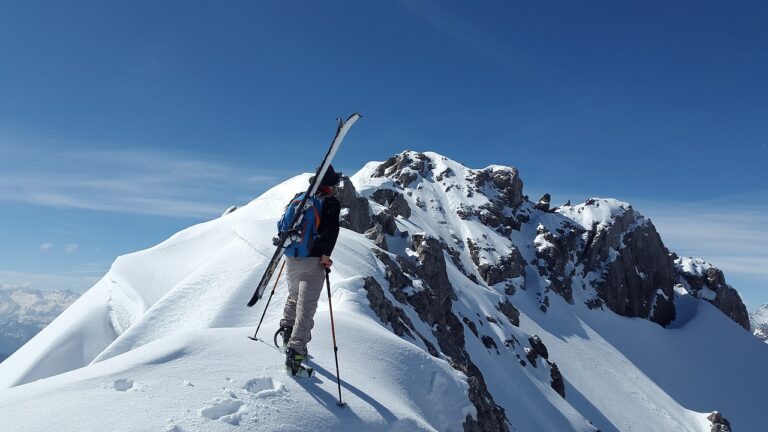
Skins are what let you climb. They stick to the base of your skis and grip the snow on the way up, then come off for the ride down. They’re one of four core pieces of an alpine touring setup, along with boots, bindings and skis. New to touring? Start with our Wasatch backcountry skiing for beginners guide.
How we picked: these recommendations are based on current reviewer roundups from OutdoorGearLab, Switchback Travel, Treeline Review and GearJunkie, plus manufacturer instructions. Prices were checked in November 2026.
Step 1: Pick a material
| Material | Glide | Grip | Durability | Best for |
|---|---|---|---|---|
| Nylon | Slowest | Best | Longest lasting | Steep, icy skin tracks; beginners; rocky spring snow |
| Mohair-nylon blend | Good | Good | Good | Most touring, most days |
| 100% mohair | Best | Least | Wears fastest | Long approaches, racing, cold dry snow |
Most Wasatch skin tracks are steep and set by lots of traffic, so grip matters. A blend is the best all-round choice, while nylon is great if you want maximum grip and durability.
Step 2: Choose your glue
- Traditional glue: the most common. Sticks well in most conditions but picks up dirt and needs re-gluing about every 100 touring days, according to OutdoorGearLab’s buying advice.
- Cleanable (hybrid) glue: like Contour’s Hybrid adhesive. You clean the surface every 25-40 days instead of re-gluing. Less messy, and easier to pull apart in the cold.
- Glueless skins exist, but none of the current reviewer roundups include one.
Step 3: Get the right size
- Width: buy a skin at least as wide as the widest part of your ski, then trim it to shape. REI suggests trimming to the widest dimension minus 5-7 mm for maximum grip. See REI’s ski skins guide.
- Length: most skins come in sizes matched to ski length, with an adjustable tail clip. Some (like Pomoca’s) come pre-cut to length.
- Tip and tail fittings: make sure the tip loop fits your ski’s shape and the tail clip works with your tail.
Step 4: Trim your skins
You can’t untrim a skin, so take your time. Many Salt Lake shops will trim skins for a small fee if you’d rather not do it yourself.
- Work at room temperature. Cold glue is harder to cut, according to G3’s instructions.
- Set the tail clip and tip loop. Fit the tip loop, then set the tail clip so it attaches easily without over-tightening. G3 recommends leaving about 5 cm (2 in) between the skin fabric and the ski tail.
- Center the skin on the base and press it down firmly.
- Offset and cut the first edge. With an offset cutter (included with most skins), run the tool from tip to tail, held firmly against the ski edge. Black Diamond’s instructions offset the skin 2 mm toward the side you’re cutting first.
- Shift and cut the second edge without lifting the skin from the tip. The goal is a skin that leaves the metal edges just exposed, so they can grip on firm snow.
- Check both sides. Edges should be “just peeking out” along the length, as Treeline Review puts it. A little bare base at the tip and tail is normal.
From the Mtn Cult crew: We trim our own skins, but if you want a cleaner, more professional fit, have a shop do it.
Step 5: Take care of them
In the field
- Fold skins glue-to-glue when you pull them off, starting from the middle with edges lined up.
- On cold days, keep skins inside your jacket so the glue stays warm and sticky.
- If skins won’t stick, scrape snow off the glue with a ski edge, warm the glue against your body, and use a ski strap or tape as a backup. Carry a couple of Voile straps for exactly this.
- Glopping (snow balling up under your skins) happens in warm or wet snow. Rub on skin wax like Black Diamond Glop Stopper before you head out on spring days.
At home
- Dry skins at room temperature, away from heaters and wood stoves. G3 says never above 22°C (72°F).
- Store skins on skin savers or cheat sheets in a cool, dry place, and don’t store them on your skis.
- Wax your ski bases with a basic hydrocarbon wax and scrape well. Elan and Pomoca warn that fluoro, graphite and silicone waxes can stop glue from sticking.
- Re-glue traditional skins when they stop holding. It takes a few hours plus a day or two to cure, or a shop can do it.
From the Mtn Cult crew: We have skins in nylon, blends and mohair, and use them for different days. Whatever you run, keep a small scraper and some skin wax in your kit.
The best climbing skins for 2026-27
| Product | Material | Price | |
|---|---|---|---|
| Pomoca Tour ProBest Overall | 65-70% mohair blend | $260-$290 | Check Price on Amazon |
| Contour Hybrid MixLow-Maintenance Glue | 70% mohair blend | $270 | Check Price on Amazon |
| Black Diamond AscensionGrip and Durability | Nylon | $170-$190 | Check Price on Amazon |
| G3 Alpinist+ UniversalGrip Pick | Nylon | $200-$216 | Check Price on Amazon |
| Pomoca Tour ExploreBest Value | 70% mohair blend | $220 | Check Price on Amazon |
| Pomoca Free ProLight and Fast | 70% mohair blend | $220-$300 | Check Price on Amazon |
| Black Diamond GlideLite Mix STSValue Blend | 65% mohair blend | $180-$220 | Check Price on Amazon |
Best overall: Pomoca Tour Pro ($260-$290)
Pomoca Tour Pro
A mohair-nylon blend that balances glide and grip, with reliable traditional glue.
- Great glide and grip
- Top pick at two reviewers
- Pricey
OutdoorGearLab’s Editors’ Choice and Switchback’s Best Overall. A mohair-nylon blend that balances glide and grip, with reliable traditional glue. Shop the Tour Pro.
Buy it if you want one skin that does everything well. Skip it if you’re on a tight budget.
Best low-maintenance glue: Contour Hybrid Mix ($270)
Contour Hybrid Mix
Cleanable glue you refresh with a spray instead of re-gluing.
- Easy to pull apart in the cold
- No re-gluing
- Needs periodic cleaning
OutdoorGearLab’s Editors’ Choice for cleanable glue. Instead of re-gluing, you clean the adhesive every couple dozen days with Contour’s spray. Easy to pull apart even on cold mornings.
Best for grip and durability: Black Diamond Ascension ($170-$190) and G3 Alpinist+ Universal ($200-$216)
Black Diamond Ascension
All-nylon skins that grip on steep, icy skin tracks and last for years.
- Best grip
- Very durable
- Good price
- Slower glide
Switchback picks the all-nylon Ascension for grip and durability, and GearJunkie names it Best Budget. Treeline picks the G3 Alpinist+ for the same job. Great for beginners and steep, icy Wasatch skin tracks. Shop the Ascension or the G3 Alpinist+.
Best value: Pomoca Tour Explore ($220) and Black Diamond GlideLite Mix ($180-$220)
Pomoca Tour Explore
OutdoorGearLab's Best Buy, good for rocky late-season skinning.
- Good value
- Tough
- Less glide than the Tour Pro
OutdoorGearLab’s Best Buy is the Tour Explore, a good choice for rocky late-season skinning. Treeline’s best bang for the buck is the GlideLite Mix STS.
Best light and fast: Pomoca Free Pro ($220-$300)
Pomoca Free Pro
Thin, packable skins for fast days and fat skis.
- Light and packable
- Great glide
- Wears faster
Switchback’s fast-and-light pick and OutdoorGearLab’s top pick for fat skis. Thinner fabric saves weight and packs small, but it wears faster.
Splitboard skins
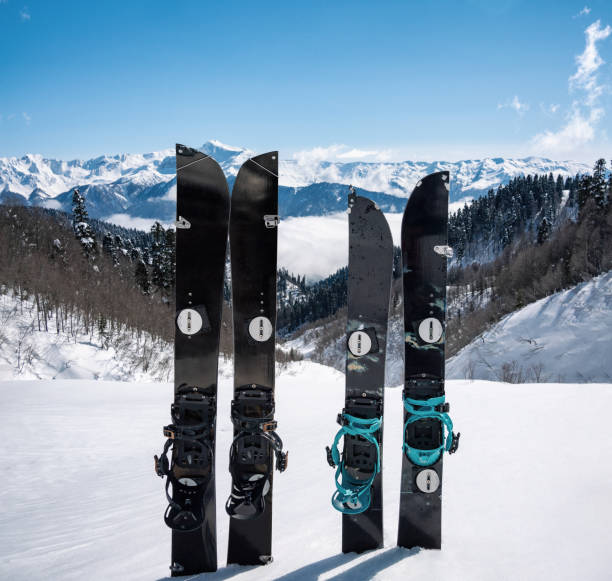
Splitboard skins work the same way, but each half needs its own skin, and tail clips are often specific to your board’s tail notch. Jones notes that skins should cover nearly the whole base with only the edges exposed: too narrow slips in soft snow, and too wide slips on firm snow. Many board brands sell skins pre-cut for each model. See Jones’ splitboard skins guide and our splitboard buying guide.
FAQ
Mohair or nylon?
Nylon grips better and lasts longer; mohair glides better. A blend is the best all-round choice for most Wasatch touring.
How long do climbing skins last?
The fabric often lasts several seasons. Traditional glue needs refreshing roughly every 100 touring days.
Why won’t my skins stick?
Usually cold, wet or dirty glue, or the wrong base wax. Keep skins warm and dry, and wax with a basic hydrocarbon wax.
How much do skins cost?
About $170-$300. See our backcountry setup cost guide.
Related guides
- Alpine touring ski setup
- How to choose backcountry ski boots
- Backcountry ski bindings
- Best backcountry ski poles
- Best backcountry ski backpacks
- How to train for backcountry skiing
Sources
- OutdoorGearLab, best climbing skins (May 2026) and buying advice
- Switchback Travel, best climbing skins (June 2026)
- Treeline Review, best climbing skins (Feb 2026)
- GearJunkie, best climbing skins (2025)
- G3 Alpinist+ instructions
- Elan/Pomoca skin manual
- REI, how to choose climbing skins
- Jones, splitboard skins
Some links on this page are affiliate links. Mtn Cult may earn a commission at no cost to you, and it never decides what we recommend.