Mastering the Heat: Essential Tips for Hiking in Hot Weather

Embrace the Heat: Your Ultimate Hot-Weather Hiking Guide
Under the blazing sun, with the earth radiating waves of heat beneath your feet, and the air shimmering with a sweltering intensity, the allure of a hot-weather hike beckons like a siren’s call to the seasoned hiker and the adventurous soul alike. There’s an undeniable thrill in conquering the trails when the mercury soars, as you venture into landscapes where the sun casts an unrelenting spotlight on your every step. However, as thrilling as it may be, hiking in hot weather demands more than just an adventurous spirit; it requires a profound understanding of the environment, a meticulous approach to preparation, and a mastery of techniques to ensure your safety and comfort on the trail.
This article, born from over four decades of exploring nature’s wonders on foot, is your comprehensive guide to mastering the heat. Whether you’re a seasoned trailblazer or a novice eager to embark on your first summertime adventure, the wisdom shared here will equip you with the knowledge and strategies necessary to thrive when the sun bears down mercilessly.
Before we delve into the myriad tips and techniques that will help you hike with confidence in hot weather, let’s take a moment to acknowledge the significance of this topic. The allure of warm-weather hiking is undeniable, beckoning us to breathtaking vistas, inviting us to traverse the most stunning landscapes, and challenging us to discover the depths of our endurance. However, as we chase the sun-drenched trails, it’s crucial to understand that the heat can be a double-edged sword, capable of both enhancing and endangering our outdoor pursuits.
While the rewards of hot-weather hiking include vibrant sunsets, fragrant wildflowers, and a profound connection with the natural world, the risks are equally palpable. Heat-related illnesses such as heat exhaustion and heat stroke lurk in the shadows, ready to strike the unprepared. Dehydration, sunburn, and fatigue can quickly turn an idyllic adventure into a perilous ordeal. But fear not, for with the right knowledge and preparation, you can confidently navigate the hot-weather terrain and bask in the glorious beauty it offers.
In the pages that follow, we’ll embark on a journey together, beginning with an exploration of the science behind heat and its effects on the human body. We’ll learn to decipher weather forecasts, select the right gear, and plan our hikes with precision. We’ll delve into the art of staying cool and comfortable when the sun beats down relentlessly, and we’ll discuss the critical topic of hydration and nutrition.
As we continue, we’ll uncover hiking techniques tailored to hot weather, discussing everything from timing your hikes to pacing yourself wisely. We’ll touch on the importance of trail etiquette, both for preserving the environment and enjoying a peaceful hike. Furthermore, we’ll equip you with the knowledge to recognize and respond to heat-related emergencies, ensuring that you and your fellow hikers remain safe on your journeys.
Throughout this article, you’ll find not only practical advice but also a deep appreciation for the art of hot-weather hiking. It’s a skill that, once mastered, will enable you to embrace the heat and harness its energy as you explore the natural world. So, my fellow hikers, let’s embark on this adventure together, learning to thrive under the sun’s fiery gaze and making memories that will last a lifetime.
Understanding the Heat
The Science of Heat
Before we step onto the sun-soaked trails, it’s crucial to grasp the fundamental science of heat and how it interacts with our bodies. When the sun’s rays intensify, and the temperature soars, your body becomes a battleground where thermal equilibrium is fiercely sought.
The Body’s Thermoregulation Mechanism
Imagine your body as a complex thermostat, constantly striving to maintain an optimal internal temperature. When the external heat becomes formidable, your body springs into action. It begins to sweat profusely, a remarkable cooling mechanism. As sweat evaporates from your skin, it takes heat away with it, helping to lower your body temperature.
However, in extreme heat, this elegant system can falter. Your sweat may evaporate too quickly, leading to dehydration and overheating. Conversely, in high humidity, sweat might struggle to evaporate efficiently, leaving you feeling uncomfortably sticky and overheated. Understanding this interplay is vital, as it guides your actions on the trail.
Dangers of Heat-Related Illnesses
The stakes rise substantially in hot weather. Heat-related illnesses can strike swiftly and are potentially life-threatening. Two of the most common are heat exhaustion and heat stroke:
-
Heat Exhaustion: This is a precursor to the more severe heat stroke. It’s characterized by symptoms like excessive sweating, nausea, dizziness, and a rapid heartbeat. If left unaddressed, heat exhaustion can progress to heat stroke.
-
Heat Stroke: Heat stroke is a medical emergency. It occurs when the body’s core temperature exceeds 104°F (40°C). Symptoms include confusion, a lack of sweating, seizures, and unconsciousness. Immediate medical attention is vital in this case.
Understanding the symptoms of these conditions and their progression is critical. Remember that prevention is the best cure, and your preparation and on-trail practices play pivotal roles in mitigating the risk of heat-related illnesses.
Weather Forecasting
One of your most potent tools in the arsenal against the heat is knowledge. Before you set foot on the trail, take the time to consult weather forecasts. It’s not merely about knowing whether to expect sunshine; it’s about comprehending the subtleties in weather reports that can make or break your hike.
Heat Advisories and Heatwaves
Pay close attention to weather alerts and advisories. When meteorologists issue a heat advisory, it means that conditions are ripe for heat-related illnesses. It’s a red flag indicating that hiking might not be advisable, especially if you lack the necessary experience or equipment to handle extreme heat. Similarly, heatwaves, which are prolonged periods of excessive heat, warrant extra caution.
High Temperatures and UV Index
Beyond temperature readings, scrutinize the UV index. This indicates the strength of the sun’s ultraviolet (UV) radiation. A high UV index implies greater sun intensity, so take extra precautions, such as wearing sun-protective clothing and applying sunscreen with a high SPF rating.
Local Variations in Temperature
Remember that microclimates can significantly affect temperatures on the trail. The forest canopy may offer respite from direct sunlight, while open areas can amplify the heat. Knowing your trail’s terrain and the variations you might encounter is invaluable.
Sunrise and Sunset Times
Consider hiking during cooler parts of the day, such as early mornings or late afternoons. This allows you to enjoy the outdoors while avoiding the scorching midday sun.
By arming yourself with a comprehensive understanding of the heat and the tools to interpret weather forecasts, you’ll be better prepared to make informed decisions before and during your hot-weather hikes. This knowledge is the foundation upon which your hiking adventure will be built, ensuring that you approach the challenges of the trail with confidence and resilience.
Preparation for Hot-Weather Hiking
Once you’ve grasped the science of heat and have become proficient in interpreting weather forecasts, it’s time to dive into the essential aspect of preparing for hot-weather hiking. As the old adage goes, “Proper preparation prevents poor performance.” This holds particularly true when you’re gearing up for a journey where the sun is your constant companion.
Proper Gear
-
Clothing Choices: Your choice of clothing can make or break a hot-weather hike. Opt for lightweight, moisture-wicking fabrics that allow your skin to breathe. Consider wearing long-sleeved shirts and pants made from breathable materials to protect against the sun’s harmful UV rays. Don’t forget a wide-brimmed hat and sunglasses to shield your face and eyes.
-
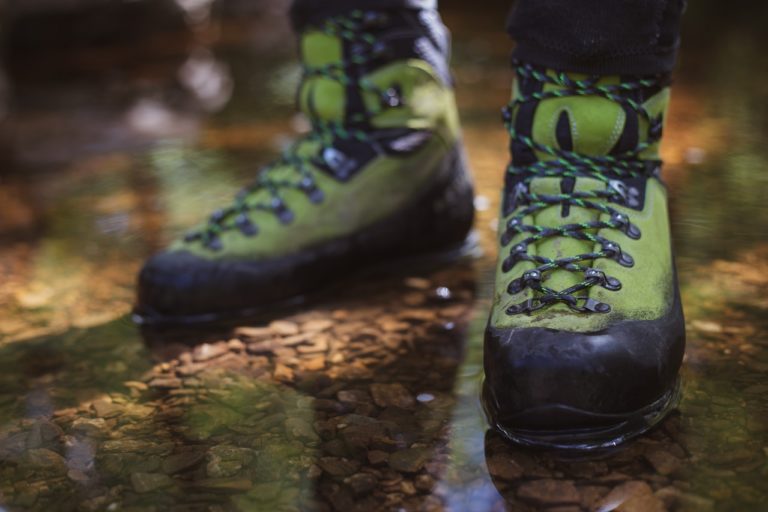
Footwear Considerations: Your feet deserve special attention. Select hiking boots or shoes that are breathable and well-ventilated. Moisture-wicking socks will help keep your feet dry and comfortable, reducing the risk of blisters. If your hike involves water crossings, consider quick-drying footwear.
-
Sun Protection: Protecting your skin from the sun is paramount. Use sunscreen with a high SPF rating and apply it generously before hitting the trail. Carry a compact, travel-friendly sunscreen for reapplication during your hike. Additionally, consider sun sleeves or gloves to shield your arms and hands.
Hydration
-
The Significance of Hydration: Hot weather and physical exertion lead to increased sweating and fluid loss. Dehydration is a significant risk during hot-weather hikes. Start hydrating well before your hike, and aim to drink water consistently throughout your adventure. A general rule of thumb is to consume at least one liter of water every two hours.
-
Recommended Water Intake: Calculate your water needs based on factors like temperature, humidity, and exertion level. On particularly hot days, you may need to drink more than usual. Hydration bladders, water bottles, and filtration systems can all be invaluable tools to ensure you have access to clean, safe drinking water.
-
Carrying and Purifying Water: Depending on the trail, you may need to carry a substantial amount of water. Invest in a comfortable hydration pack or a backpack with dedicated water reservoir compartments. Additionally, consider water purification methods, such as water filters or purification tablets, to safely replenish your supply from natural sources if necessary.
Nutrition
-
The Role of Nutrition: Fueling your body appropriately is essential for maintaining energy and stamina during hot-weather hikes. Focus on a balanced diet rich in carbohydrates, proteins, and healthy fats. Carry energy-dense snacks like trail mix, granola bars, and dried fruits to sustain you on the trail.
-
Snack and Meal Planning: Plan your meals and snacks strategically. Opt for lightweight, non-perishable foods that won’t spoil in the heat. Avoid heavy, greasy, or spicy foods, as they can exacerbate dehydration and discomfort.
-
Electrolyte Replacement: In addition to water, replenish electrolytes lost through sweating by carrying electrolyte tablets or sports drinks. This helps prevent cramping and maintains your body’s electrolyte balance.
By meticulously preparing your gear, hydration strategy, and nutrition plan, you’re laying the groundwork for a successful hot-weather hike. These details may seem minor, but they are the building blocks of a safe and enjoyable outdoor adventure. In the heat of the moment, your gear and nutrition choices can make all the difference between a hike that leaves you feeling invigorated and one that leaves you depleted. So, pack wisely, hydrate diligently, and nourish your body for the journey ahead.
Hiking Techniques for Hot Weather
As you stand ready to embark on your hot-weather hiking adventure, remember that success on the trail involves more than just gear and preparation. Your hiking techniques play a crucial role in ensuring a safe, enjoyable, and memorable experience under the sun. In this section, we will explore a range of techniques and strategies tailored specifically to hiking in hot weather.
Timing
-
Early Bird or Night Owl: One of the simplest and most effective strategies for hot-weather hiking is to plan your hikes during cooler parts of the day. Early mornings and late afternoons tend to offer milder temperatures and more comfortable conditions. These times also provide opportunities to witness stunning sunrises and sunsets, adding an extra layer of beauty to your adventure.
-
Midday Break: If you find yourself on the trail during peak heat hours, consider taking a longer break during midday. Find a shaded spot, preferably near water, and rest until the sun’s intensity wanes. This practice allows you to avoid hiking during the hottest part of the day while conserving your energy.
Pace and Rest
-
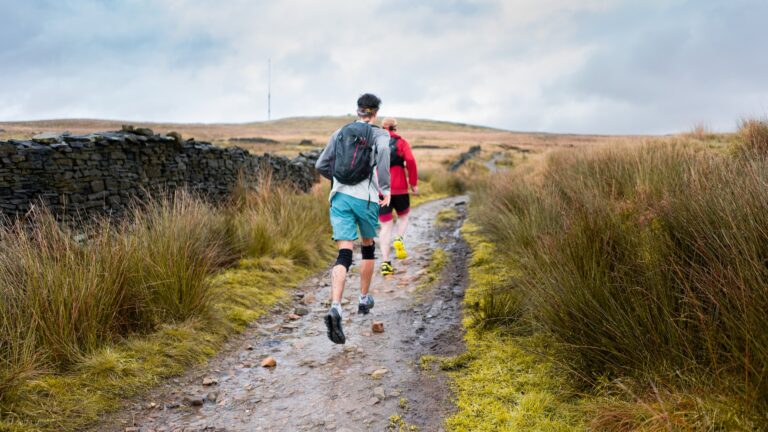
Sustainable Pace: In the scorching heat, it’s vital to maintain a sustainable pace. Slow down and set a comfortable rhythm for your hike. Overexertion can lead to increased sweating and dehydration, increasing your risk of heat-related illnesses.
-
Strategic Rest Breaks: Plan your hike to include regular rest breaks in shaded areas. Use this time to rehydrate, refuel, and cool down. Remove your backpack to allow sweat to evaporate from your back, and take advantage of these breaks to enjoy the scenery and regroup mentally.
Route Selection
-
Elevation and Shade: When choosing your hiking route, consider the terrain and available shade. Higher elevations tend to be cooler, so opt for trails that climb into the mountains or follow ridgelines. Forested trails provide natural shade, making them an excellent choice on hot days.
-
Water Sources: Prioritize trails that offer access to water sources like rivers, streams, or lakes. These not only provide opportunities for refreshing dips but also serve as reliable sources of drinking water if treated or filtered properly.
Proper Trail Etiquette
-
Leave No Trace: In hot-weather hiking, the environment can be especially vulnerable. Adhere to Leave No Trace principles by packing out all trash, staying on designated trails, and respecting local flora and fauna. Avoid disturbing wildlife, especially in their quest for water.
-
Trail Courtesy: Hot weather often draws more hikers to the trails. Maintain trail courtesy by yielding to others, keeping noise levels down, and sharing the trail graciously. Remember that crowded trails can sometimes result in slower progress, so patience is key.
By implementing these hiking techniques tailored to hot weather, you’ll not only enhance your safety but also elevate your overall hiking experience. The careful consideration of timing, pacing, route selection, and trail etiquette empowers you to navigate the challenges of the trail with finesse, ensuring that your hot-weather hikes become memorable and fulfilling adventures. In the heart of the wilderness, under the scorching sun, these techniques will be your allies, guiding you toward success on the trail.
Staying Cool and Comfortable
As you traverse the hot-weather trails, maintaining your comfort and well-being becomes an ongoing endeavor. The relentless sun and soaring temperatures may test your endurance, but with the right strategies, you can stay cool and composed throughout your journey. This section delves into the art of staying comfortable under the blazing sun.
Strategies for Temperature Regulation
-
Cooling Techniques: Hot-weather hiking demands creative cooling solutions. A wet bandana draped around your neck or a buff soaked in water and worn as a headband can provide instant relief. Evaporative cooling works wonders in reducing your body temperature.
-
Natural Water Sources: If your hike includes rivers, streams, or lakes, take advantage of these natural cooling resources. A dip in the water can be incredibly rejuvenating. Additionally, consider wetting your clothing periodically to maximize the cooling effect.
Managing Sweat
-
Sweat-Wicking Clothing: Invest in clothing specifically designed for hot-weather activities. These garments are often made from moisture-wicking materials that draw sweat away from your skin, helping it evaporate more effectively.
-
Preventing Chafing: The combination of sweat and friction can lead to chafing, a painful issue on the trail. Apply an anti-chafing cream or powder to susceptible areas, such as inner thighs and underarms, to reduce friction and discomfort.
-
Foot Care: Proper foot care is crucial. Ensure your socks are moisture-wicking and that your footwear is well-ventilated. Carry extra socks to change into if your feet become excessively sweaty or wet. Blisters can be a major problem in the heat, so address any hotspots promptly with moleskin or blister pads.
Psychological Resilience
-
Mindset Tips: Hiking in hot weather can be mentally challenging. Maintain a positive mindset by focusing on the beauty of your surroundings and the sense of accomplishment as you conquer each mile. Remind yourself that the discomfort is temporary and part of the adventure.
-
Coping with Discomfort: Accept that some discomfort is inevitable. It’s a natural part of pushing your boundaries in the great outdoors. Learn to embrace it as an opportunity for growth and self-discovery. The sense of achievement when you overcome discomfort is immensely rewarding.
-
Adversity and Problem-Solving: Hot-weather hikes may throw unexpected challenges your way, from trail closures to gear malfunctions. Cultivate problem-solving skills and adaptability to tackle these hurdles with grace.
By incorporating these techniques into your hot-weather hiking repertoire, you’ll enhance your resilience and comfort on the trail. The ability to stay cool, manage sweat, and maintain a positive mindset is a skillset that evolves with experience. Over time, you’ll discover your own personal strategies for thriving in hot weather, and each hike will become a unique opportunity to test and refine your methods. Ultimately, the challenges of hot-weather hiking become part of the adventure, and your ability to adapt and conquer them will leave you with lasting memories of triumph and resilience.
Dealing with Emergencies
While we hope for smooth and enjoyable hikes, it’s essential to be prepared for unexpected challenges, particularly when hiking in hot weather. The heat can escalate risks, and understanding how to recognize and respond to emergencies is paramount for your safety and that of your fellow hikers. In this section, we will delve into the critical aspects of dealing with emergencies on hot-weather hikes.
Recognizing Heat-Related Illnesses
-
Symptoms of Heat Exhaustion: Heat exhaustion is a serious condition that can escalate into heat stroke if not addressed promptly. Be vigilant for symptoms such as excessive sweating, weakness, dizziness, nausea, rapid pulse, and cool, clammy skin. If you or a fellow hiker exhibits these signs, take immediate action.
-
Identifying Heat Stroke: Heat stroke is a medical emergency that requires swift action. Symptoms include high body temperature (often exceeding 104°F or 40°C), confusion, rapid heartbeat, flushed skin, lack of sweating, and even unconsciousness. If someone shows signs of heat stroke, call for emergency medical assistance immediately.
First Aid
-
Heat Exhaustion First Aid: If you or someone in your group experiences heat exhaustion, take the following steps:
-
Move to a cooler, shaded area.
-
Loosen or remove excess clothing.
-
Hydrate with water or a sports drink.
-
Use fans or natural airflow to cool the person.
-
Monitor the individual closely and seek medical attention if symptoms worsen or do not improve.
-
-
Heat Stroke First Aid: Heat stroke is a life-threatening condition. If you suspect someone has heat stroke, take these actions immediately:
-
Call 911 or your local emergency number.
-
Move the person to a shaded area.
-
Cool them rapidly by any means available, such as applying cold, wet cloths or immersing them in cold water.
-
Continuously monitor their vital signs and be prepared to perform CPR if necessary.
-
Emergency Contact and Communication
-
Carry Communication Devices: In remote hiking areas, it’s essential to have a reliable means of communication. A fully charged cell phone, satellite phone, or a personal locator beacon (PLB) can be a lifeline in case of emergencies. Ensure you have the necessary signal strength or satellite coverage for your chosen device.
-
Share Your Plans: Before heading out on a hot-weather hike, inform a trusted friend or family member of your itinerary. Provide details such as the trail you’ll be on, your expected return time, and your contact information. This information can be crucial if you encounter difficulties on the trail.
-
Trailhead Registers: Some trails have registers where hikers can sign in and out. Make use of these registers to leave a record of your presence on the trail. If you don’t return as scheduled, this information can aid search and rescue teams.
Group Safety
-
Hike with a Buddy: Whenever possible, hike with at least one companion. In hot weather, it’s safer and more enjoyable to have someone to share the experience and assist in case of emergencies.
-
Know Each Other’s Health: Familiarize yourself with your hiking companions’ health conditions and any specific needs they may have. This knowledge can be crucial in responding to emergencies effectively.
In the challenging conditions of hot-weather hiking, the ability to recognize and respond to emergencies is a skill that can make a life-saving difference. It’s essential to prioritize safety, carry the necessary equipment, and have a clear plan for handling emergencies. While we hope these skills are never needed, knowing how to act in a crisis can provide peace of mind and ensure that you and your fellow hikers return safely from your hot-weather adventures.
Beyond the Heat: Discovering the Essence of Hot-Weather Hiking
As we conclude this comprehensive guide to hiking in hot weather, it’s important to reflect on the valuable insights and strategies we’ve explored. Hiking in hot weather can be a demanding yet deeply rewarding pursuit, offering the opportunity to connect with nature on a profound level. By mastering the art of hot-weather hiking, you not only ensure your safety and comfort but also enhance the richness of your outdoor adventures.
Before you embark on your next hot-weather hike, let’s briefly recap the key takeaways from this guide:
-
Understanding the Heat: Recognize the science of heat and its effects on your body, as well as the importance of staying informed through weather forecasts.
-
Preparation: Properly gear up with moisture-wicking clothing, breathable footwear, and sun protection. Prioritize hydration and nutrition as integral components of your preparation.
-
Hiking Techniques: Strategically time your hikes, maintain a sustainable pace, and choose routes with elevation, shade, and access to water sources. Practice trail etiquette to preserve the environment and ensure enjoyable hikes.
-
Staying Cool and Comfortable: Implement temperature regulation strategies, manage sweat with suitable clothing, and foster psychological resilience to cope with discomfort and adversity.
-
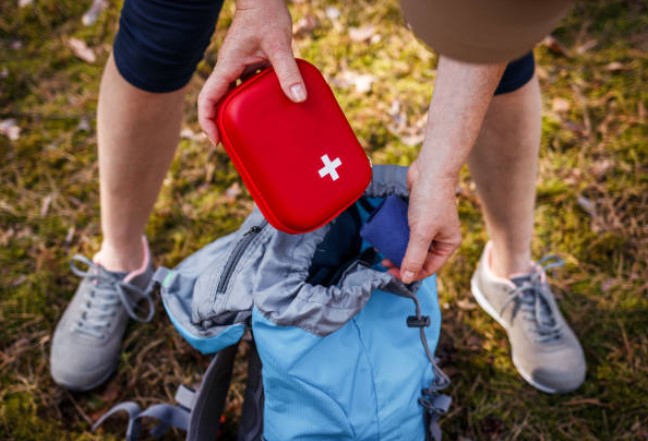
Dealing with Emergencies: Learn to recognize the symptoms of heat-related illnesses, apply first aid when necessary, and prioritize emergency communication and safety within your hiking group.
Responsible Hiking
Hot-weather hiking offers unique challenges, but it also presents an opportunity to foster a deep connection with the natural world. As you venture into the wilderness, remember to practice responsible hiking. Respect the environment, leave no trace, and strive to minimize your impact on the fragile ecosystems you encounter. By adopting these principles, you contribute to the preservation of our natural treasures and ensure their enjoyment by future generations.
In the midst of a hot-weather hike, when the sun blazes overhead, the trail stretches seemingly endless, and sweat beads upon your brow, remember the profound rewards of your journey. Each step forward is a testament to your determination, each vista a gift from the natural world, and each drop of sweat a symbol of your commitment to the adventure. In these moments, you become one with the elements, forging a bond with nature that transcends the discomforts of the trail.
Embrace the heat, for it is a catalyst for growth, resilience, and self-discovery. Through the challenges and triumphs of hot-weather hiking, you’ll find not only a deeper connection to the outdoors but also a profound connection to yourself.
As the author of this guide, drawing from over four decades of hiking experience, I encourage you to embark on your own hot-weather hiking adventures with confidence and enthusiasm. Nature’s wonders await, and with the knowledge and techniques shared here, you are well-equipped to thrive in the most demanding of conditions.
May your hot-weather hikes be filled with breathtaking vistas, inspiring moments, and the indomitable spirit of adventure. Happy trails!
Additional Resources
As you prepare to step into the world of hot-weather hiking, it’s essential to recognize that this guide serves as a starting point, a foundation upon which you can build your knowledge and expertise. There is a wealth of resources available to further enhance your understanding of hiking in hot weather, refine your skills, and connect with a community of like-minded outdoor enthusiasts. In this section, we provide a curated list of books, websites, and organizations that can serve as valuable companions on your journey.
Books
-
“The Ultimate Hiker’s Gear Guide” by Andrew Skurka: This comprehensive guide by renowned long-distance hiker Andrew Skurka offers insights into gear selection, packing strategies, and hiking techniques suitable for all seasons, including hot weather.
-
“Fixing Your Feet: Injury Prevention and Treatments for Athletes” by John Vonhof: Foot care is critical in hot-weather hiking. This book provides expert advice on preventing and treating blisters, hot spots, and other foot-related issues.
-
“Mountaineering: Freedom of the Hills” by The Mountaineers: Although geared toward mountaineers, this iconic manual covers a wide range of outdoor skills, including hiking in diverse conditions. It includes valuable insights on gear, navigation, and wilderness safety.
Websites and Online Resources
-
REI Hiking Guides (rei.com): REI’s website offers a treasure trove of hiking guides, including articles on hot-weather hiking tips, gear recommendations, and trail information.
-
The American Hiking Society (americanhiking.org): This organization provides valuable resources for hikers, including information on trail conservation, safety, and hiking events. They also advocate for policies that protect and preserve hiking trails.
-
National Park Service (nps.gov): When planning hikes in national parks, the National Park Service’s website is an invaluable resource. It provides detailed information about specific parks, including trail conditions and alerts.
Online Communities and Forums
-
Reddit – r/hiking and r/CampingandHiking: These online communities are excellent platforms to connect with fellow hikers, seek advice, and share your hiking experiences. You’ll find a wealth of knowledge and camaraderie among the members.
-
Meetup (meetup.com): Join local hiking groups on Meetup to discover new trails, gain experience, and enjoy the company of fellow outdoor enthusiasts. Many groups organize hot-weather hikes during the summer months.
Local Outdoor Retailers and Clubs
-
Local Outdoor Retailers: Visit your nearest outdoor gear store, where knowledgeable staff can provide gear recommendations tailored to your region’s climate and terrain. They may also offer workshops and events related to hiking.
-
Outdoor Clubs: Joining a local hiking or outdoor club can provide access to experienced hikers who are willing to share their knowledge, as well as opportunities to participate in group hikes.
Remember that the world of hiking is vast and diverse, and each trail you explore offers a unique experience. While this guide provides a comprehensive overview of hiking in hot weather, continued learning and adaptation are key to becoming a seasoned hiker. Seek out resources, engage with the hiking community, and never stop exploring the beauty of nature under the sun’s warm embrace. The trails are waiting, and with the right knowledge and resources at your disposal, your hot-weather hiking adventures are bound to be fulfilling and transformative experiences.