Peak Protection: Backcountry Skiing Helmets
Unleash the Power of Safety: Exploring Backcountry Skiing Helmets
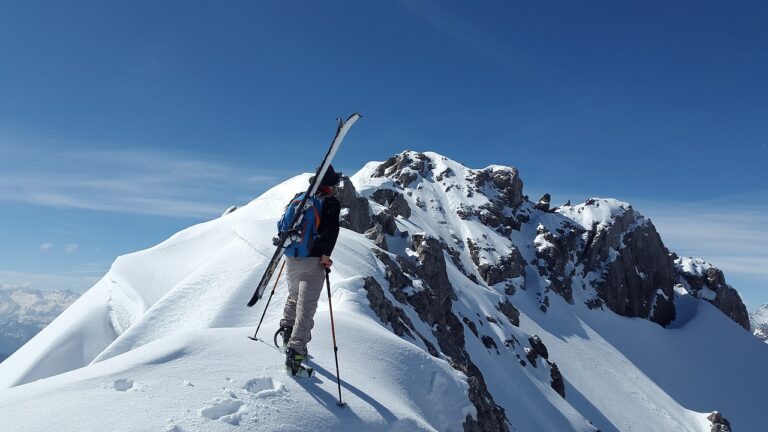
Backcountry skiing is an exhilarating and rewarding outdoor activity that allows adventurers to escape the crowded slopes of ski resorts and explore the pristine wilderness. As a backcountry skiing expert with over 40 years of experience in the field, I have witnessed the growth and evolution of this sport firsthand. Throughout the years, one thing has remained constant—the importance of safety in backcountry skiing.
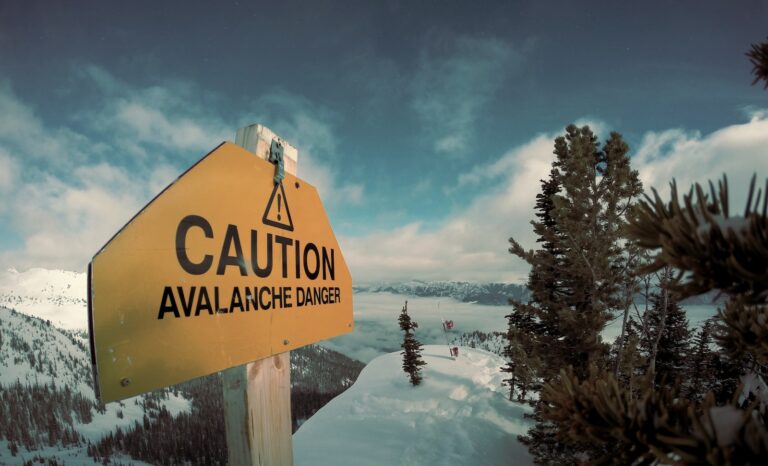
When venturing into the backcountry, skiers face a unique set of challenges and risks. Unpredictable weather conditions, variable terrain, and the potential for avalanches make it essential for every backcountry skier to prioritize their safety. Among the various safety gear and equipment available, one item stands out as a crucial piece of protection—the backcountry skiing helmet.
In this comprehensive article, we will delve into the world of backcountry skiing helmets, exploring their types, features, technologies, and the factors to consider when choosing one. Whether you’re an experienced backcountry skier looking to upgrade your gear or a beginner seeking advice on the right helmet, this guide aims to provide you with the information you need to make an informed decision.
Particularly in the backcountry environment, where access to medical assistance may be limited and rescue times extended, the role of a helmet cannot be overstated. It serves as a vital defense against head injuries, protecting one of the most critical parts of your body—the brain. A helmet can absorb and distribute impact forces, reducing the risk of severe head trauma in case of a fall, collision, or avalanche-related incident.
As technology advances, the range of backcountry skiing helmets available continues to expand, catering to various preferences, conditions, and levels of protection. Hard-shell helmets, in-mold helmets, and hybrid helmets are among the popular options, each offering distinct advantages suited to specific terrains and skiing styles. We will explore these helmet types in detail, discussing their features, benefits, and recommended brands and models.
Furthermore, we will delve into the key factors to consider when selecting a backcountry skiing helmet. From safety certifications and standards to fit and comfort, ventilation, weight, and compatibility with other gear, understanding these aspects will empower you to make a well-informed decision that aligns with your specific needs and preferences.
To ensure comprehensive coverage, we will also examine the various features and technologies found in modern backcountry skiing helmets. Impact protection systems, adjustable ventilation, removable ear pads, and customization options are just a few examples of the innovations that enhance both safety and comfort.
However, a helmet’s effectiveness lies not only in its design but also in its proper fit and adjustment. We will provide guidance on measuring for the correct helmet size, achieving a snug fit, and adjusting straps and retention systems to ensure optimal protection and comfort during your backcountry adventures.
Maintaining and replacing your backcountry skiing helmet is another crucial aspect to consider. Regular cleaning and care, recognizing signs of wear, and knowing when it’s time for a replacement are all vital to ensure the ongoing effectiveness of your helmet. Additionally, we will touch upon proper helmet disposal, as responsible environmental practices are paramount in preserving the pristine backcountry environment we all cherish.
While a backcountry skiing helmet is an essential piece of safety gear, it is important to acknowledge that it should not be the sole focus of your safety considerations. Avalanche safety gear, terrain assessment, training and education, and communication devices are all integral components of a comprehensive backcountry skiing safety strategy. We will briefly explore these additional safety considerations to provide a holistic understanding of backcountry skiing safety.
In conclusion, this article aims to equip backcountry skiers with the knowledge necessary to make informed decisions about backcountry skiing helmets. By understanding the different types of helmets, their features and technologies, and the factors to consider when choosing one, you can elevate your safety and enjoyment in the backcountry. Remember, responsible and safe backcountry skiing practices are the key to creating unforgettable adventures while minimizing risks.
Types of Backcountry Skiing Helmets
When it comes to backcountry skiing helmets, there are various types available, each designed to cater to different needs and preferences. Understanding the characteristics of these helmet types will help you make an informed decision based on the specific terrain and conditions you expect to encounter during your backcountry adventures.
Hard-shell Helmets:
Hard-shell helmets have been a staple in the skiing industry for many years. They feature a durable, hard exterior shell made from ABS (Acrylonitrile Butadiene Styrene) or polycarbonate, which provides excellent impact resistance. Inside the shell, a layer of EPS (Expanded Polystyrene) foam acts as a shock absorber, further enhancing the helmet’s protective capabilities.
-
Features and Benefits:
Hard-shell helmets are known for their robust construction, making them highly suitable for aggressive skiing styles and more rugged backcountry terrain. The hard exterior shell excels at withstanding impacts from rocks, branches, and other hazards commonly encountered in the backcountry. Additionally, the EPS foam liner offers reliable impact absorption, reducing the risk of head injuries in the event of a fall or collision.
-
Suitable Terrain and Conditions:
Hard-shell helmets are particularly well-suited for skiing in exposed, technical terrain where the risk of impacts is higher. If you frequently find yourself navigating through tight tree runs, steep couloirs, or rocky slopes, a hard-shell helmet can provide the extra protection you need.
-
Recommended Brands and Models:
Some popular hard-shell helmet brands in the backcountry skiing community include Black Diamond, POC, and Smith. Notable models to consider are the Black Diamond Vapor, POC Fornix, and Smith Vantage.
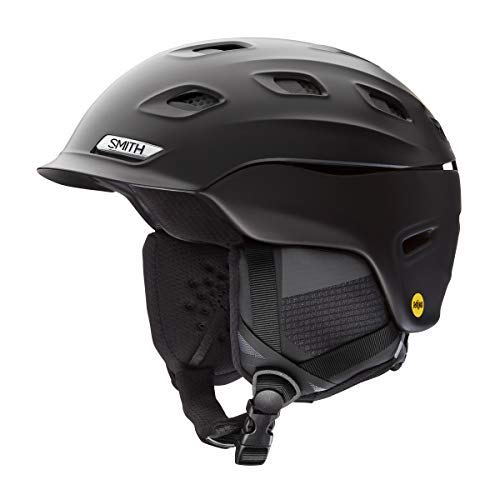
BOA 360 Fit System offers the most adjustable fit with the turn of a dial for on-the-fly micro-adjustability, Available in Round Contour Fit to better match rounder head shapes.

Lightweight, well-ventilated and aramid-reinforced helmet for skiing and snowboarding anywhere on the mountain
Highly adjustable fit system for a comfortable, secure and personalized fit with adjustable ventilation
In-mold Helmets:
In-mold helmets have gained popularity in recent years due to their lightweight construction and sleek design. These helmets are made by fusing the exterior shell and the EPS foam liner together during the manufacturing process. The result is a single, integrated unit that offers reliable impact protection while being significantly lighter than traditional hard-shell helmets.
-
Features and Benefits:
The key advantage of in-mold helmets is their lightweight nature, which reduces neck fatigue and enhances overall comfort during long days in the backcountry. They also tend to have better ventilation systems, allowing for increased airflow and improved breathability. In-mold helmets often come with adjustable ventilation systems that enable you to regulate temperature and prevent overheating.
-
Suitable Terrain and Conditions:
In-mold helmets are suitable for a wide range of backcountry skiing terrains and conditions. Whether you’re skiing through open powder fields, cruising on groomed slopes, or traversing mellow alpine meadows, an in-mold helmet can provide the necessary protection while offering enhanced comfort and breathability.
-
Recommended Brands and Models:
Several reputable brands specialize in producing high-quality in-mold helmets for backcountry skiers. Consider checking out models such as the Mammut Wall Rider, Giro Range MIPS, or Sweet Protection Igniter Alpinist.

Multi-Directional Impact Protection System. Articulating hard shell construction with Conform Fit Technology. It features a durable yet semi-flexible EPP construction that envelops the head to provide the lowest-profile fit we've ever created as well as unsurpassed custom comfort.
Hybrid Helmets:
Hybrid helmets combine the best features of hard-shell and in-mold helmets, offering a versatile option that suits a wide range of backcountry skiing styles and conditions. These helmets typically feature a hard-shell upper portion for enhanced impact resistance and an in-mold lower portion for weight savings and improved ventilation.
-
Features and Benefits:
Hybrid helmets strike a balance between durability, comfort, and weight. The hard-shell upper section provides increased protection in critical impact zones, such as the top and sides of the head, while the in-mold lower section keeps the helmet lightweight and offers improved airflow. This combination makes hybrid helmets well-suited for skiers who tackle diverse terrain and conditions.
-
Suitable Terrain and Conditions:
Hybrid helmets are a versatile choice that can accommodate various backcountry skiing adventures. Whether you’re exploring challenging alpine terrain, enjoying the tranquility of tree-lined glades, or engaging in ski mountaineering pursuits, a hybrid helmet can provide the necessary protection and comfort.
-
Recommended Brands and Models:
Popular brands in the hybrid helmet category include Petzl, CAMP, and K2. Noteworthy models to consider are the Petzl Meteor, CAMP Speed Comp, and K2 Route.

Checking in at just 11oz, K2's Route Helmet is the lightest snow helmet on the market. The polycarbonate shell and EPS foam liner are fully certified for skiing, snowboarding, and even biking protection.
By understanding the characteristics and intended applications of hard-shell, in-mold, and hybrid helmets, you can choose the type that best aligns with your specific backcountry skiing needs. Remember to prioritize impact resistance, weight, ventilation, and comfort when making your selection. In the next section, we will explore the factors you should consider in more detail when choosing a backcountry skiing helmet.
Factors to Consider When Choosing a Backcountry Skiing Helmet
Selecting the right backcountry skiing helmet goes beyond just choosing a specific type. Several key factors should be taken into account to ensure optimal protection, comfort, and performance during your backcountry adventures. Let’s explore these factors in detail:
Safety Certifications and Standards:
When it comes to backcountry skiing helmets, it’s crucial to prioritize safety certifications and standards. Look for helmets that meet industry-recognized certifications such as CE (Conformité Européene) EN 1077 or ASTM (American Society for Testing and Materials) F2040. These certifications indicate that the helmet has passed rigorous testing and meets minimum safety requirements. Additionally, some helmets may include additional certifications such as the UIAA (International Climbing and Mountaineering Federation) standard, which guarantees performance in climbing-related impacts.
Fit and Comfort:
A properly fitting helmet is essential for both safety and comfort. Take the time to measure your head circumference accurately and refer to the manufacturer’s sizing guide to select the appropriate size. The helmet should fit snugly without any pressure points or excessive movement. It should stay securely in place, even during vigorous activity. Consider helmets with adjustable fit systems that allow you to customize the fit to your specific head shape.
Furthermore, pay attention to the helmet’s interior padding and lining. Moisture-wicking, breathable materials are desirable to keep you dry and comfortable throughout your backcountry skiing outings. Removable and washable pads are also convenient for maintaining hygiene and freshness.
Ventilation and Breathability:
Ventilation is vital to regulate temperature and prevent overheating during high-intensity skiing. Look for helmets with adjustable ventilation systems that allow you to open or close vents depending on weather conditions and exertion level. Strategically placed vents help promote airflow and prevent the accumulation of moisture and heat inside the helmet.
Consider the helmet’s overall breathability as well. Look for features such as mesh panels or channels that facilitate the exchange of air, keeping your head cool and comfortable during strenuous ascents and descents.
Weight and Packability:
Backcountry skiing often involves extended periods of physical exertion, which means every extra ounce can make a difference. Lightweight helmets reduce neck fatigue and enhance overall comfort, particularly during long days in the backcountry. In-mold helmets, in particular, are known for their lighter weight compared to hard-shell helmets.
Packability is another crucial consideration, especially if you plan to stow your helmet in a backpack during ascents or when not in use. Look for helmets with foldable or collapsible designs that occupy minimal space in your pack.
Compatibility with Goggles and Other Gear:
Ensure that your chosen helmet is compatible with your goggles and other essential gear. Look for helmets with a compatible goggle retention system, which keeps your goggles securely in place and prevents them from fogging up. Some helmets feature integrated goggle clips or straps for added convenience.
Additionally, consider the helmet’s compatibility with headlamps, communication devices, and other accessories you may use during your backcountry skiing expeditions. Look for designated attachment points or compatibility features that allow for seamless integration.
Audio Integration Options:
If you enjoy listening to music or communicating with others while skiing, consider helmets with audio integration options. Some helmets feature built-in speaker pockets or audio-ready ear pads that allow for the integration of audio systems or communication devices. Ensure that the helmet’s audio compatibility does not compromise safety or comfort.
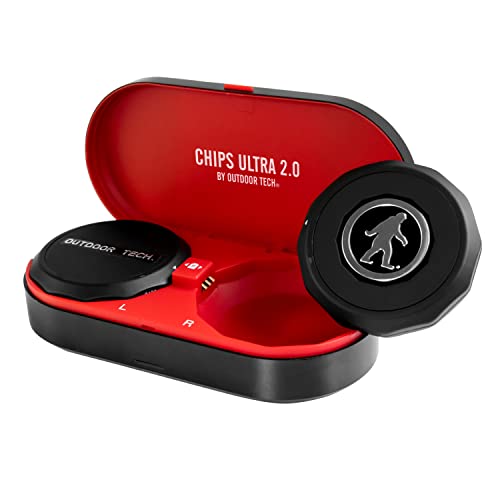
Premium Helmet Bluetooth Headset - True Wireless Snow Helmet Audio - Easy Touch Controls, Compatible with Google Assistant and Siri
By considering these factors when choosing a backcountry skiing helmet, you can ensure that your selected helmet not only meets your safety requirements but also provides the comfort and convenience necessary for an enjoyable backcountry skiing experience. In the next section, we will explore the features and technologies found in modern backcountry skiing helmets that further enhance their protective capabilities.
Helmet Features and Technologies
Modern backcountry skiing helmets come equipped with a range of features and technologies designed to enhance their protective capabilities and overall performance. Understanding these features will help you make an informed decision when selecting a helmet that aligns with your specific needs and preferences. Let’s explore some of the key features and technologies found in backcountry skiing helmets:
Impact Protection Systems:
-
MIPS (Multi-directional Impact Protection System): MIPS is a widely recognized technology that helps reduce rotational forces on the brain during oblique impacts. It consists of a low-friction layer between the helmet’s outer shell and the liner, allowing the helmet to slide relative to the head upon impact, thereby dissipating rotational forces and reducing the risk of brain injury.
-
SPIN (Shearing Pad INside): Developed by POC, SPIN is another rotational impact protection system that utilizes innovative silicone pad technology. The pads are strategically placed inside the helmet to allow for movement in any direction, reducing the effects of rotational forces on the brain.
-
Other Innovative Technologies: Various helmet brands incorporate their own proprietary technologies to enhance impact protection. These may include additional layers or materials specifically designed to absorb and disperse energy upon impact.
Adjustable Ventilation Systems:
Backcountry skiing involves varying exertion levels, and temperatures can fluctuate throughout the day. Helmets with adjustable ventilation systems allow you to regulate airflow and control your comfort. Look for helmets with easily adjustable vents that can be opened or closed depending on weather conditions and activity level. This feature helps prevent overheating during strenuous ascents while keeping you warm during chilly descents.
Removable Ear Pads and Liners:
Removable ear pads and liners offer versatility and convenience. They allow you to adapt your helmet to different weather conditions, preferences, and activities. In colder conditions, plush, insulated ear pads provide extra warmth, while in warmer conditions, you can remove them for improved ventilation and comfort. Removable liners are also beneficial for easy cleaning and maintenance.
Customization Options:
Customization options allow you to personalize your helmet’s fit and style. Look for helmets that offer adjustable fit systems, such as dial-controlled retention systems or interchangeable padding, to achieve a precise and comfortable fit. Some helmets also offer the ability to customize the appearance with different colors or decals, allowing you to express your individuality on the slopes.
Audio Integration Options:
If you enjoy listening to music or communicating with others while skiing, consider helmets with audio integration options. These helmets often feature built-in speaker pockets or audio-ready ear pads, allowing for the integration of audio systems or communication devices. However, it’s essential to prioritize safety and ensure that audio integration does not compromise the helmet’s protective capabilities or fit.
These features and technologies contribute to the overall performance and functionality of backcountry skiing helmets. When selecting a helmet, consider which features are most important to you and how they align with your specific needs and preferences. Remember, the ultimate goal is to find a helmet that prioritizes safety, comfort, and enjoyment during your backcountry skiing adventures.
In the next section, we will discuss the importance of proper helmet fit and adjustment, as a well-fitting helmet is crucial for optimal protection.
Proper Helmet Fit and Adjustment
Ensuring that your backcountry skiing helmet fits properly and is correctly adjusted is paramount to its effectiveness in providing optimal protection. A well-fitting helmet should be comfortable, secure, and properly positioned on your head. Follow these guidelines to achieve a proper helmet fit and make necessary adjustments:
Measuring for the Correct Helmet Size:
To determine the correct helmet size, measure your head circumference using a flexible tape measure. Place the tape measure around your head, just above your eyebrows and ears, and ensure it is level all the way around. Refer to the manufacturer’s sizing chart to select the appropriate helmet size based on your measurement.
It’s essential to follow the manufacturer’s guidelines for sizing, as each brand may have slight variations in their helmet sizing and fit. Avoid the temptation to choose a size that is too large or too small, as it can compromise the helmet’s protective capabilities.
Ensuring a Snug Fit:
A properly fitting helmet should have a snug, yet comfortable, fit on your head. It should not be overly tight or cause discomfort or pressure points. When wearing the helmet, it should sit level on your head, covering your forehead without obstructing your vision.
Adjust the helmet’s fit system, such as the retention dial or straps, to achieve the desired snugness. These systems allow you to fine-tune the fit and ensure that the helmet stays securely in place during movement. The helmet should not shift or move around when you shake your head or during vigorous activity.
Adjusting Straps and Retention Systems:
Properly adjusting the helmet’s straps and retention system is crucial for a secure fit. Start by adjusting the chin strap so that it is snugly and comfortably under your chin. The strap should be tight enough to prevent the helmet from moving or slipping off your head but not so tight that it causes discomfort or restricts your breathing.
Next, adjust the helmet’s retention system, typically located at the back of the helmet. This system allows you to customize the fit by tightening or loosening the helmet’s internal harness or cradle. Ensure that the retention system is adjusted evenly on both sides to maintain balance and stability.
Helmet Compatibility with Different Head Shapes:
Helmet manufacturers design their products to accommodate various head shapes. Some helmets are specifically designed for rounder heads, while others cater to more oval-shaped heads. It’s important to consider your head shape when selecting a helmet to ensure a proper fit.
If possible, try on different helmet brands and models to find the one that best suits your head shape. Pay attention to any pressure points or gaps between your head and the helmet’s interior. Remember, a helmet that fits well and conforms to the shape of your head offers the best protection.
By following these guidelines and adjusting your backcountry skiing helmet correctly, you can ensure that it provides the necessary protection and comfort during your skiing adventures. Don’t hesitate to seek assistance from knowledgeable staff at specialty outdoor retailers who can provide guidance on proper fit and adjustment techniques.
In the next section, we will discuss the importance of maintaining and periodically replacing your backcountry skiing helmet to ensure continued safety and performance.
Maintaining and Replacing Your Backcountry Skiing Helmet
Proper maintenance and regular inspection of your backcountry skiing helmet are crucial to ensure its ongoing effectiveness and safety. Over time, helmets can experience wear and tear, compromising their protective capabilities. Understanding how to care for your helmet, recognizing signs of wear, and knowing when to replace it are essential aspects of responsible backcountry skiing.
Cleaning and Care Guidelines:
Regularly cleaning your backcountry skiing helmet helps maintain its performance and prolong its lifespan. Follow these general cleaning guidelines:
-
Remove any removable parts, such as liners or pads, if applicable, according to the manufacturer’s instructions.
-
Use mild soap or helmet-specific cleansers to clean the helmet’s exterior shell and interior lining. Avoid harsh chemicals or abrasive cleaners that could damage the helmet’s materials.
-
Gently scrub the shell and liners with a soft cloth or sponge, paying attention to areas that accumulate sweat, dirt, or grime.
-
Rinse the helmet thoroughly with clean water to remove any soap residue.
-
Allow the helmet to air dry completely before reassembling and storing it in a cool, dry place away from direct sunlight.
Always consult the manufacturer’s instructions for specific cleaning recommendations, as different helmet materials may require specific care.
Signs of Wear and When to Replace a Helmet:
Regularly inspect your backcountry skiing helmet for signs of wear and damage. While helmets are designed to withstand impacts, they should be replaced if any of the following conditions are observed:
-
Visible Cracks or Damage: Examine the helmet’s exterior shell for any cracks, dents, or significant damage. Even minor cracks can compromise the helmet’s structural integrity and reduce its ability to absorb impacts effectively.
-
Loose or Worn Straps: Check the helmet’s straps for signs of wear, fraying, or stretching. Ensure that all buckles and fasteners are functioning correctly and securely.
-
Deterioration of Interior Liners: Over time, the helmet’s interior liners may deteriorate, lose their cushioning properties, or become compressed. Inspect the liners for any signs of degradation, such as flattened areas or foam breakdown.
-
Age: Helmets have a recommended lifespan specified by the manufacturer. Even if the helmet appears to be in good condition, consider replacing it if it has exceeded the manufacturer’s recommended lifespan, typically around five years.
-
Previous Impact: If your helmet has been involved in a significant impact, such as a crash or collision, it should be replaced, even if there are no visible signs of damage. The impact may have compromised the helmet’s structural integrity, rendering it less effective in subsequent impacts.
Proper Helmet Disposal:
When it’s time to replace your backcountry skiing helmet, it’s essential to dispose of it properly. Avoid throwing it in regular household waste, as this can contribute to environmental pollution. Instead, check with local recycling facilities or programs that accept helmets for recycling or proper disposal.
Proper disposal ensures that the materials from the helmet can be repurposed or recycled appropriately, minimizing the impact on the environment.
Regularly maintaining your backcountry skiing helmet and knowing when to replace it are essential for your safety. By adhering to proper cleaning and care guidelines, recognizing signs of wear and damage, and responsibly disposing of old helmets, you contribute to the longevity of your gear and promote sustainable practices in the outdoor community.
In the next section, we will explore additional safety considerations and practices for backcountry skiers, emphasizing the importance of a comprehensive approach to safety beyond wearing a helmet.
Additional Safety Considerations for Backcountry Skiers
While wearing a backcountry skiing helmet is a crucial safety measure, it is just one component of a comprehensive safety strategy. Backcountry skiing presents unique challenges and risks that require additional safety considerations. By integrating the following practices and equipment into your backcountry skiing adventures, you can further enhance your safety and minimize potential hazards.
Avalanche Safety Gear:
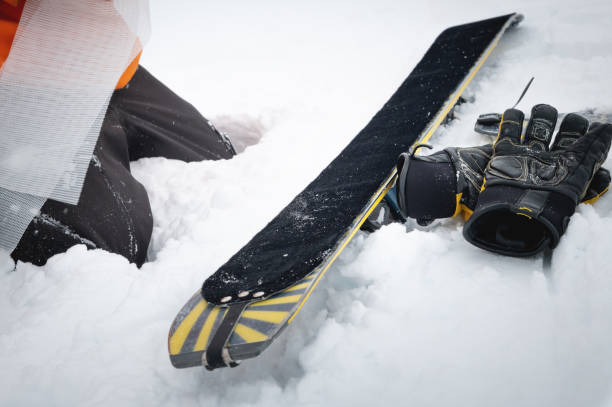
Avalanches pose a significant threat in the backcountry, especially in snow-covered mountainous terrain. Investing in proper avalanche safety gear is essential. This includes an avalanche transceiver (beacon), shovel, and probe. Ensure that you receive proper training on how to use these tools effectively, as well as understanding snowpack assessment and rescue techniques.
Terrain Assessment and Route Planning:
Thoroughly assessing the terrain and planning your route in advance can mitigate risks and help you make informed decisions while in the backcountry. Study maps, topographic features, and weather forecasts to gain insight into the current snow conditions, potential avalanche-prone areas, and safe routes. Consider consulting local avalanche forecasts and seeking guidance from experienced backcountry skiers or professional guides.
Training and Education:
Obtaining proper training and education is vital for backcountry skiers of all skill levels. Enroll in avalanche safety courses, wilderness first aid training, or backcountry skiing clinics to enhance your knowledge and skills. Learning about snow science, route finding, and decision-making in the backcountry equips you with the tools necessary to make informed choices and navigate safely.
Communication Devices:
Maintaining effective communication in the backcountry can be crucial for both safety and coordination with your group. Carrying communication devices such as two-way radios, satellite messengers, or cell phones (with appropriate coverage) can help you stay connected in case of emergencies or unexpected situations. However, remember that communication devices should not replace proper training, decision-making, and self-reliance in the backcountry.
Weather Monitoring:
Weather conditions can change rapidly in the backcountry, affecting snow stability and safety. Stay updated on weather forecasts and monitor conditions throughout your trip. Be aware of signs of deteriorating weather, such as increasing winds, changing temperatures, or rapid snowfall. Adapt your plans accordingly to avoid unnecessary risks.
Group Dynamics and Communication:
When skiing in a group, effective communication and clear understanding of each other’s abilities and intentions are essential. Establish and maintain good communication protocols, including regular check-ins, clear signals, and designated meeting points. Ensure that all group members understand and adhere to safety protocols and can effectively communicate their intentions and concerns.
Emergency Preparedness:
Carry essential emergency supplies, including a first aid kit, emergency blanket, headlamp, extra food, and water. Familiarize yourself with basic wilderness first aid techniques and be prepared to handle common backcountry injuries such as sprains, fractures, or hypothermia. Always inform someone responsible about your itinerary and estimated return time.
By integrating these additional safety considerations into your backcountry skiing adventures, you create a more comprehensive safety strategy. Remember that a backcountry skiing helmet is just one aspect of a multifaceted approach to risk management and responsible outdoor recreation.
In conclusion, backcountry skiing offers incredible opportunities for adventure and exploration. By wearing a properly fitted and well-maintained helmet, considering additional safety factors, and prioritizing education and preparedness, you can enjoy the backcountry while minimizing risks. Stay informed, stay safe, and cherish the beauty and excitement of the backcountry skiing experience.
Elevate Your Adventure: Safe and Stylish Backcountry Skiing with Helmets
In conclusion, backcountry skiing helmets are an essential piece of safety equipment that should be a priority for every backcountry skier. With their ability to protect the head from impacts and reduce the risk of severe head injuries, helmets play a crucial role in ensuring the safety and well-being of backcountry skiers.
Throughout this comprehensive guide, we have explored the different types of backcountry skiing helmets, including hard-shell helmets, in-mold helmets, and hybrid helmets. We have discussed their features, benefits, and suitability for various terrains and conditions. By understanding the strengths and limitations of each helmet type, you can make an informed decision when selecting the one that best suits your needs.
Moreover, we have examined the factors to consider when choosing a backcountry skiing helmet. Safety certifications and standards, fit and comfort, ventilation and breathability, weight and packability, compatibility with goggles and other gear, and audio integration options are all important considerations that contribute to the overall performance and usability of a helmet.
We have also discussed the features and technologies found in modern backcountry skiing helmets, such as impact protection systems like MIPS and SPIN, adjustable ventilation systems, removable ear pads and liners, and customization options. These innovations further enhance the helmets’ protective capabilities, comfort, and versatility.
Proper helmet fit and adjustment are crucial for optimal protection. By following the guidelines for measuring, achieving a snug fit, and adjusting straps and retention systems, you can ensure that your helmet stays securely in place during your backcountry skiing adventures.
Maintaining and periodically replacing your backcountry skiing helmet is essential for its ongoing effectiveness. Regular cleaning, recognizing signs of wear and damage, and responsibly disposing of old helmets are all part of proper helmet maintenance.
While wearing a backcountry skiing helmet is vital, it is important to remember that it is just one aspect of a comprehensive safety strategy. We have explored additional safety considerations, including avalanche safety gear, terrain assessment and route planning, training and education, communication devices, weather monitoring, group dynamics and communication, and emergency preparedness. By integrating these practices and equipment into your backcountry skiing adventures, you create a safer and more enjoyable experience.
In the ever-evolving world of backcountry skiing, safety should always be a top priority. By staying informed, continually learning, and practicing responsible and safe backcountry skiing techniques, you can enjoy the thrill of the backcountry while minimizing risks.
Remember, backcountry skiing is an extraordinary opportunity to connect with nature, challenge yourself, and experience the beauty of untouched landscapes. By wearing a well-fitted and appropriate backcountry skiing helmet, along with adopting a comprehensive approach to safety, you can embark on memorable backcountry skiing adventures with confidence, knowing that you have taken important steps to protect yourself and enhance your overall experience.
Stay safe, respect the environment, and continue to grow as a knowledgeable and responsible backcountry skier. Happy skiing!