How to Train for Backcountry Skiing and Snowboarding
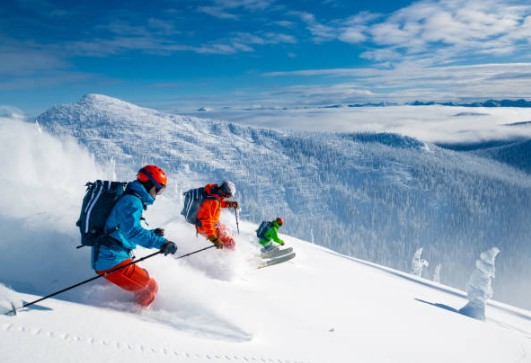
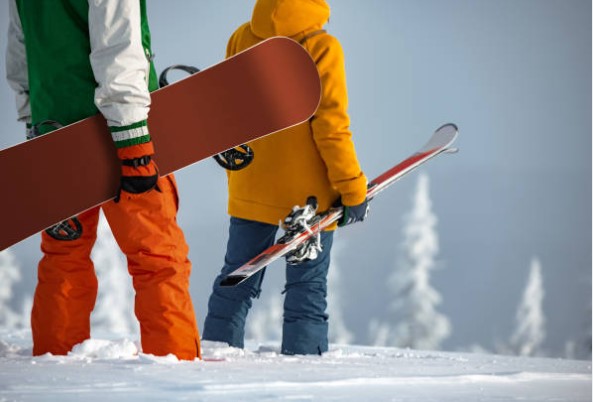 Backcountry skiing and snowboarding refer to skiing and riding on ungroomed, natural terrain that is typically accessed by touring or hiking up the mountain rather than using a chairlift. This type of skiing and riding can offer a more adventurous and challenging experience, but it also requires a higher level of physical fitness, technical skill, and safety knowledge. Proper training and preparation are essential for anyone planning to venture into the backcountry, and in this article, we’ll explore some key considerations for getting ready.
Physical Training
Backcountry skiing and snowboarding involve a lot of physically demanding activities, including skinning (climbing uphill with specialized touring skis or a splitboard), skiing or riding down challenging terrain, and carrying all of your necessary equipment. To prepare for these demands, it’s important to build up your endurance and strength through a combination of cardio and strength training exercises.
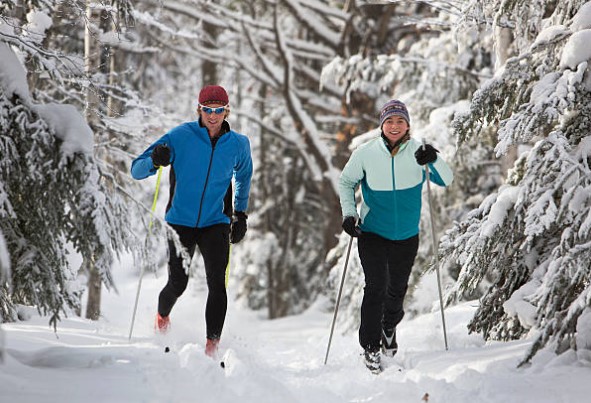
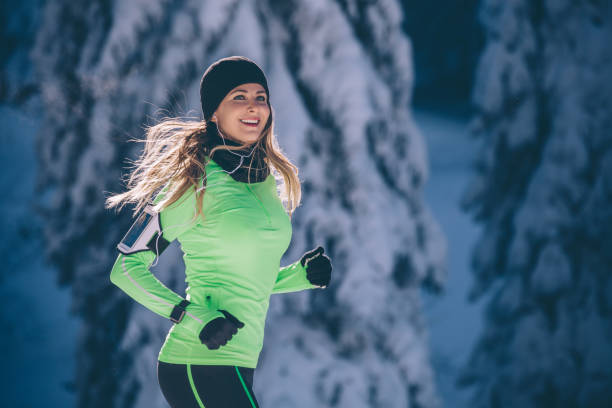
Some good cardio options for backcountry skiers and riders include running, cycling, and cross-country skiing. These activities will help you build up your cardiovascular endurance, which is crucial for the long, physically demanding days that you may encounter in the backcountry.
In terms of strength training, it’s important to focus on exercises that target the muscles used in backcountry skiing and snowboarding. These include your leg muscles (quadriceps, hamstrings, and calves), as well as your core and upper body. Squats, lunges, leg press, and leg extensions can all be helpful for building leg strength, while exercises like planks, Russian twists, and mountain climbers can help strengthen your core. Push-ups, pull-ups, and other upper body exercises can also be beneficial for building upper body strength and endurance.
Technical Skills Training
In addition to physical fitness, backcountry skiing and snowboarding also require a high level of technical skill. This includes the ability to navigate and travel efficiently both uphill and downhill, as well as having good balance and agility.
To improve your technical skills, it can be helpful to work with a trained instructor or guide who can provide guidance and feedback on your technique. You can also practice your skills on groomed terrain or in a controlled environment before heading into the backcountry. Some specific areas to focus on include:
-
Proper technique for skinning: This involves using a smooth, efficient stride while keeping your weight forward and your feet close together.
-
Proper technique for skiing or riding downhill: This includes understanding how to control your speed, maintain balance, and navigate through different types of terrain.
Safety Training
Backcountry skiing and snowboarding also carry a higher level of risk compared to skiing and riding on groomed terrain. To minimize these risks, it’s important to have a solid understanding of backcountry safety guidelines and regulations, as well as how to use safety equipment such as beacons, shovels, and probes.
Some key safety considerations include:
-
Understanding and adhering to backcountry safety guidelines: This includes understanding how to assess the avalanche risk, choosing appropriate routes, and skiing or riding in a way that minimizes the risk of triggering an avalanche.
-
Using backcountry safety equipment properly: This includes knowing how to properly use and maintain your beacon, shovel, and probe, as well as knowing how to use these tools in an emergency situation.
Mental Preparation
In addition to physical and technical skills, backcountry skiing and snowboarding also require a strong mental game. This includes being able to stay calm and focused in potentially stressful situations, as well as being able to deal with the challenges and risks that come with backcountry travel.
To prepare mentally for backcountry skiing and snowboarding, it can be helpful to spend time visualizing and preparing for different scenarios that you might encounter. This could include practicing decision-making skills, staying calm under pressure, and managing your emotions.
It can also be helpful to seek out additional training and resources that can help you improve your mental preparedness. This could include working with a mental coach or seeking out books or other resources that focus on mental training for outdoor sports.
What are the Essentials?
When it comes to training for backcountry skiing and snowboarding, there are a few key essentials that you’ll want to have in order to get the most out of your training. These include:
-
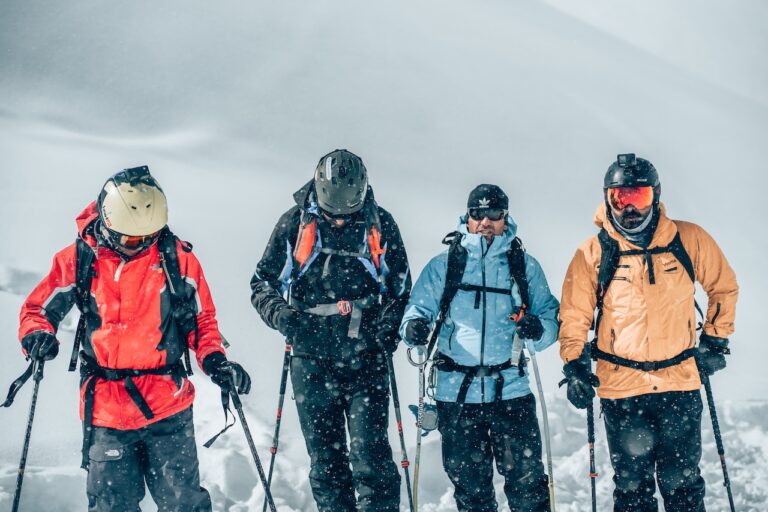
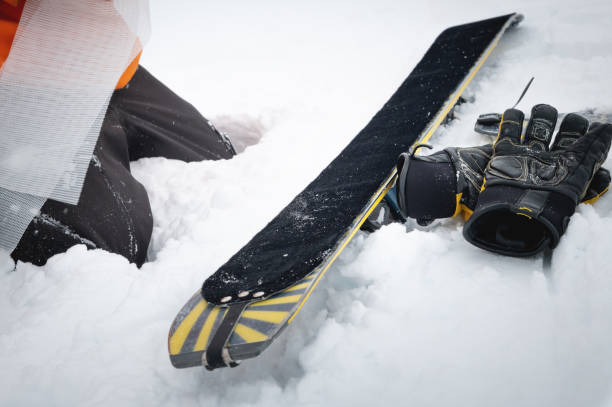
Proper clothing and equipment: Make sure you have the right clothing and equipment for the activities you’ll be doing. This could include touring skis or a splitboard, ski boots or snowboard boots, and other gear such as helmets, gloves, and goggles.
-
A training plan: Having a structured training plan can help you stay motivated and on track, and can also help you track your progress as you work towards your backcountry goals.
-
Supportive friends and resources: Surrounding yourself with supportive friends and resources can help you stay motivated and engaged as you work towards your backcountry goals. This could include training with a group, joining a backcountry ski or snowboard club, or seeking out online resources and communities.
How Often Should You Train?
The frequency of your training will depend on your current fitness level and your specific backcountry goals. In general, it’s a good idea to start with a moderate amount of training (3-4 times per week) and gradually increase the intensity and frequency as you become more comfortable and confident in your skills.
If you’re just starting out with backcountry skiing or snowboarding, you may want to focus on building up your endurance and strength before adding in technical skill work. As you progress, you can then start to incorporate more technical skills training and safety drills into your routine.
When Should You Train?
The best time to train for backcountry skiing and snowboarding will depend on your schedule and your location. If you live in a location with good winter conditions, you may be able to start training as soon as the snow starts to fall.
If you live in a location with less consistent winter conditions, you may need to be more flexible with your training schedule. In this case, you could focus on building up your endurance and strength in the off-season and then transitioning to more technical skills training as the winter season approaches.
What Time of Day is Best?
The best time of day to train for backcountry skiing and snowboarding will depend on your schedule and your personal preferences. Some people find it easiest to train in the morning, while others prefer to train in the evening.
If you’re training in the morning, you may want to focus on more cardio-intensive activities such as running or cycling, as these can help energize you for the day ahead. In the evening, you may want to focus more on strength training and technical skills work, as these activities can help you relax and unwind after a long day.
Conclusion
Backcountry skiing and snowboarding offer a challenging and rewarding experience, but they also require a higher level of physical fitness, technical skill, and safety knowledge. Proper training and preparation are essential for anyone planning to venture into the backcountry, and by following a structured training plan and seeking out additional resources and support, you can improve your skills and confidence and enjoy a safe and successful backcountry experience.