Embark on Unforgettable Journeys in Nature
Exploring the Great Outdoors: Backpacking and Fly Fishing
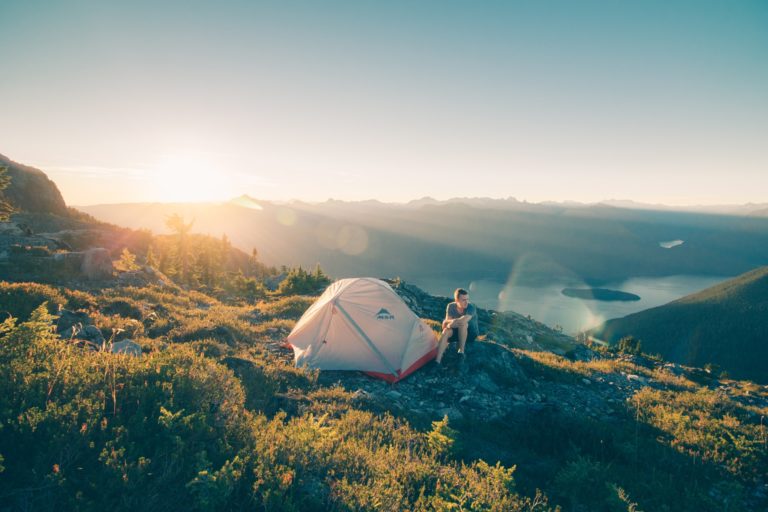
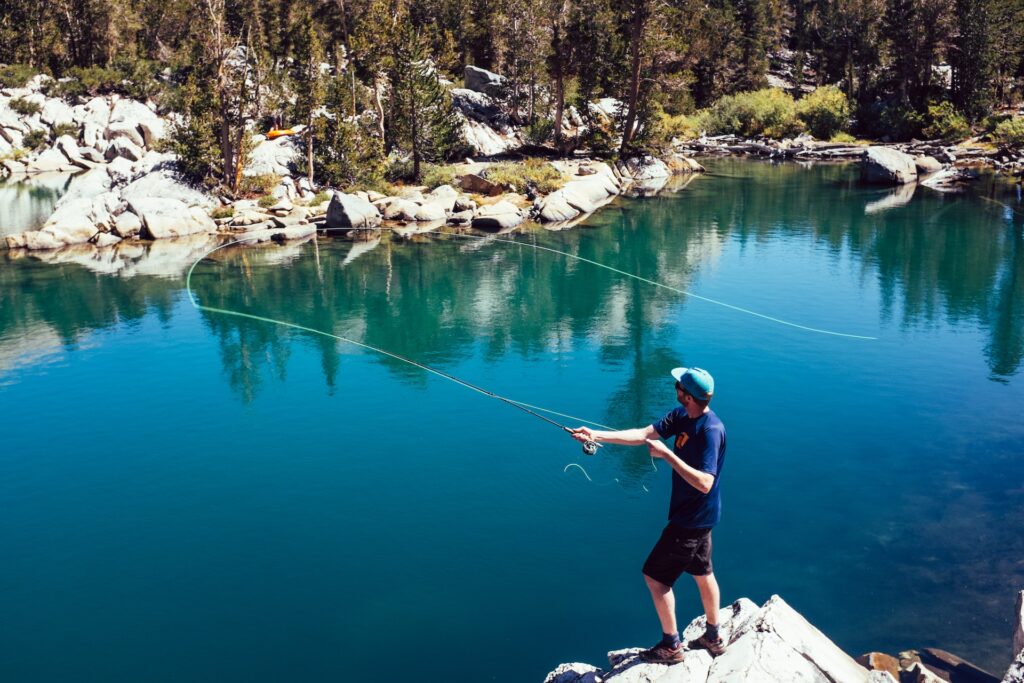
There is a profound sense of adventure that comes with exploring the great outdoors, immersing oneself in nature, and engaging in outdoor activities that push the boundaries of personal exploration and discovery. Two such activities that have captivated the hearts of outdoor enthusiasts for generations are backpacking and fly fishing. The combination of these two pursuits creates a unique and fulfilling experience, allowing individuals to delve into the serenity of remote landscapes while casting their lines into pristine waters teeming with fish.
The Importance of Gear Selection in Backpacking Fly Fishing
As any experienced backpacker or fly angler knows, selecting the right gear is crucial for enhancing the overall enjoyment and success of any outdoor adventure. In the realm of backpacking fly fishing, one particular piece of equipment stands out as a vital tool: the backpacking fly rod. The backpacking fly rod not only serves as the conduit between the angler and the fish but also acts as a gateway to unforgettable experiences and cherished memories in the wilderness.
Unveiling the Backpacking Fly Rod: A Key Element of Adventure
In this comprehensive guide, we will dive deep into the world of backpacking fly rods, exploring their significance, features, and how to choose the right one for your specific needs. Whether you are a seasoned backpacker looking to add a new dimension to your outdoor pursuits or a fly fishing enthusiast seeking to expand your horizons into the backcountry, this article will equip you with the knowledge and insights necessary to embark on remarkable backpacking fly fishing journeys.
Throughout this guide, we will uncover the intricacies of backpacking fly rods, providing a clear understanding of what sets them apart from their traditional counterparts. We will discuss the essential features to consider when selecting a backpacking fly rod, such as length, weight, packability, durability, and action. By delving into these details, we aim to empower you to make an informed decision that aligns with your unique fishing style and backpacking preferences.
Furthermore, we will highlight some of the top backpacking fly rods available in the market today, evaluating their performance, strengths, and weaknesses. By presenting a range of options, we hope to offer you a comprehensive overview that caters to different budgets and fishing scenarios.
But a backpacking fly rod is just one component of a well-rounded backpacking fly fishing setup. We will also explore the essential accessories required for a successful and enjoyable trip, including fly reels, lines, flies, wading gear, footwear, and camping equipment. Additionally, we will share valuable tips and techniques for maximizing your fishing experience in the backcountry, from casting techniques in tight spaces to strategies for locating fish in remote waters.
As we venture deeper into this guide, we will address the crucial aspects of planning a backpacking fly fishing trip, from selecting suitable destinations with fishing opportunities to understanding fishing regulations and obtaining permits. We will also touch upon seasonal considerations, logistics, safety precautions, and emergency preparedness to ensure your journeys are not only memorable but also safe and responsible.
In essence, this article aims to serve as a comprehensive resource for backpackers, fly anglers, and outdoor enthusiasts alike who wish to combine their love for exploration and fishing. So, join us on this extraordinary journey as we unravel the wonders of backpacking fly rods, offering invaluable insights and guidance to ignite your passion for backpacking fly fishing and unlock the boundless adventures awaiting you in the wilderness.
Understanding Backpacking Fly Rods
Definition and Purpose of a Backpacking Fly Rod
Before delving into the intricacies of backpacking fly rods, it is essential to establish a clear understanding of what they are and why they hold such significance in the realm of outdoor pursuits. A backpacking fly rod is a specialized fishing rod designed to be lightweight, compact, and portable, making it ideal for backpackers who want to combine their love for hiking and camping with the thrill of fly fishing. These rods are specifically crafted to withstand the rigors of long journeys through rugged terrains while providing anglers with the ability to cast flies accurately and efficiently in various fishing environments.
Key Features to Consider when Selecting a Backpacking Fly Rod
When it comes to choosing the right backpacking fly rod, several key features warrant careful consideration. Understanding these features will enable you to make an informed decision that aligns with your specific needs and fishing preferences.
Length and Weight Considerations
The length and weight of a backpacking fly rod play a crucial role in its overall performance and portability. Typically, backpacking fly rods are shorter in length, ranging from 6 to 8 feet, allowing for easier maneuverability in tight spaces, dense vegetation, and small streams. Additionally, they are designed to be lightweight, weighing significantly less than traditional fly rods. This reduced weight is essential for long hikes, as it minimizes fatigue and strain on the body, ensuring a more enjoyable backpacking experience.
Packability and Portability
The ability to pack and transport a backpacking fly rod easily is one of its defining features. These rods are designed to break down into multiple sections, allowing them to fit inside a backpack or attach securely to the outside. Look for models that offer compactness without compromising on performance or durability. Consider the rod’s collapsed length and whether it fits comfortably within your backpack or can be easily strapped to the exterior.
Durability and Material
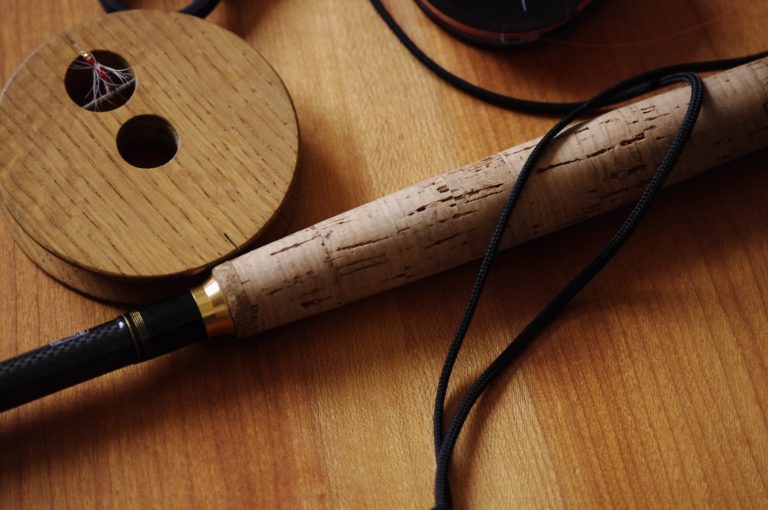
As backpacking often involves venturing into rugged and remote environments, durability is paramount when selecting a backpacking fly rod. Look for rods constructed from high-quality materials, such as carbon fiber or graphite, known for their strength and resilience. These materials provide excellent sensitivity and responsiveness while ensuring the rod can withstand the challenges posed by rocky terrains, stream crossings, and occasional mishaps on the trail.
Action and Versatility
The action of a fly rod refers to its flexibility and how it bends when pressure is applied. The action can range from slow to fast, each offering distinct advantages depending on the fishing scenario. For backpacking fly rods, a medium to fast action is generally preferred as it provides a good balance between casting accuracy and power. Additionally, consider the rod’s versatility in handling different fly lines and fishing techniques, allowing you to adapt to various situations encountered during your backpacking trips.
Comparison of Backpacking Fly Rods with Traditional Fly Rods
While traditional fly rods have their merits, backpacking fly rods offer unique advantages that cater specifically to the needs of outdoor enthusiasts who desire mobility, functionality, and convenience. It is important to understand the differences between the two to appreciate the significance of a backpacking fly rod in the context of fly fishing adventures.
Advantages and Disadvantages of Backpacking Fly Rods
One of the primary advantages of backpacking fly rods is their portability. Their compact design allows anglers to easily carry them on long hikes, enabling access to remote fishing locations that are otherwise inaccessible. Furthermore, their reduced weight ensures minimal strain on the body during extended backpacking trips. However, it is worth noting that backpacking fly rods may sacrifice a bit of casting distance and power compared to their longer and heavier traditional counterparts. Despite this trade-off, the versatility and convenience they offer make them invaluable tools for those seeking wilderness fly fishing experiences.
Situations Where a Backpacking Fly Rod Shines
Backpacking fly rods excel in specific fishing scenarios, particularly when targeting small to medium-sized fish species in streams, creeks, and alpine lakes. Their shorter length and maneuverability make them ideal for casting accurately in tight spaces, where vegetation or overhanging branches may limit the angler’s range of motion. Additionally, backpacking fly rods are well-suited for backpackers who prefer to fish while on multi-day trips, allowing them to indulge in the thrill of fishing without compromising the overall backpacking experience.
By understanding the defining features and benefits of backpacking fly rods, you can make an informed decision when selecting the right rod for your adventures. In the next section, we will delve deeper into the process of choosing the perfect backpacking fly rod by considering personal needs, target fish species, casting ability, and budget constraints.
Choosing the Right Backpacking Fly Rod
Assessing Personal Needs and Preferences
When it comes to selecting a backpacking fly rod, it’s essential to assess your personal needs and preferences. Consider the type of backpacking trips you embark on, the fishing environments you encounter, and the species of fish you typically target. Are you primarily exploring small mountain streams, high alpine lakes, or remote backcountry rivers? Understanding these factors will help you determine the specific requirements your backpacking fly rod needs to meet.
Targeted Fish Species and Fishing Environments
The fish species you intend to pursue and the fishing environments you frequent play a significant role in choosing the right backpacking fly rod. Different fish species have varying sizes and behaviors, which influence the rod’s length, weight, and action you should opt for. If you primarily target small brook trout in narrow mountain streams, a shorter and lighter backpacking fly rod with a sensitive tip may be ideal. Conversely, if you plan to chase larger trout or even salmon in rivers or lakes, a slightly longer and more robust rod may be necessary to handle the additional weight and fight.
Evaluating Casting Ability and Fishing Style
Your casting ability and fishing style should also factor into the decision-making process. If you are an experienced angler with advanced casting skills, you may prefer a rod that offers more versatility and allows for delicate presentations. On the other hand, if you are still honing your casting technique or prefer a more straightforward, forgiving rod, a model with a moderate action may be a better fit. Consider the type of flies you typically use and the casting distances you aim to achieve to ensure the rod’s action matches your fishing style.
Setting a Budget and Balancing Cost with Quality
Setting a budget is an important step in selecting a backpacking fly rod. While it’s tempting to go for the most expensive rod on the market, it’s essential to strike a balance between cost and quality. Consider your level of commitment to backpacking fly fishing and how frequently you plan to use the rod. If you’re an occasional backpacker angler, investing in a mid-range rod that offers good performance and durability may be a prudent choice. However, if backpacking fly fishing is a passion you intend to pursue frequently, investing in a higher-end rod that provides exceptional performance and longevity may be worth the additional cost.
Seeking Recommendations and Expert Advice
Seeking recommendations and expert advice can be invaluable when selecting a backpacking fly rod. Reach out to fellow backpackers, fly anglers, and professionals in the field to gather insights and recommendations based on their experiences. Online forums, fishing communities, and local fly shops are excellent resources to tap into. Additionally, consider attending fly fishing expos or events where you can interact with experts and test out different rods before making a final decision. Their expertise can help you narrow down your options and make an informed choice.
By taking into account your personal needs, target fish species, fishing environments, casting ability, budget, and seeking advice from experts, you can confidently choose the right backpacking fly rod that aligns with your specific requirements. In the next section, we will review some of the top backpacking fly rods available in the market, providing an in-depth analysis of their features, performance, and suitability for different fishing scenarios.
Top Backpacking Fly Rods in the Market
Review of Popular Backpacking Fly Rod Models
When it comes to choosing a backpacking fly rod, there are several reputable brands and models available in the market. Let’s explore some of the top options that have garnered praise for their performance, portability, and durability.
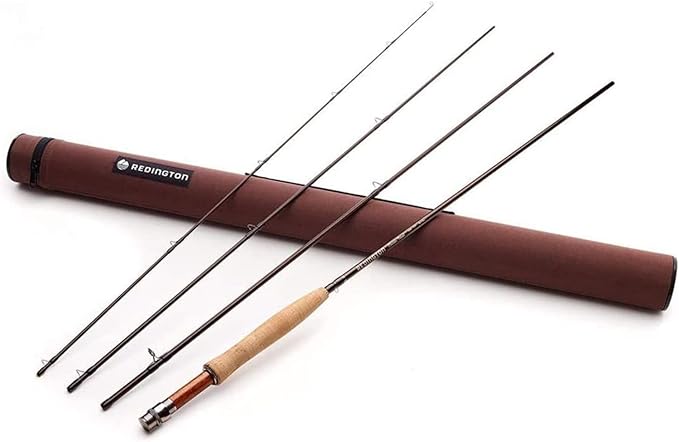
Redington Classic Trout
The Redington Classic Trout is a popular choice among backpacking fly anglers. Available in various lengths and weights, it offers versatility for different fishing scenarios. With a moderate action, it provides a delicate presentation for smaller flies while still offering enough power for casting in windy conditions. The Classic Trout is known for its excellent value, combining quality craftsmanship with an affordable price point.
Redington Fly Fishing Classic Trout Rod
The Redington Fly Fishing Classic is a freshwater rod that offers the delicacy needed for technical spring creeks yet packs enough power for big river and boat fishing. The lightweight blank and forgiving action reduce fatigue, making this rod perfect for long days on the water.
Buy Now
More Info
Mtn Cult may earn a commission if you buy through our links, at no extra cost to you.
11/27/2026 02:15 am GMT
Orvis Clearwater
The Orvis Clearwater series is renowned for its exceptional performance and affordability. These rods feature a smooth, medium-fast action that caters to both beginner and experienced anglers. The Clearwater series offers a range of lengths and weights, allowing anglers to choose the perfect rod for their preferred fishing environments. With its durable construction and excellent warranty, the Clearwater series is a reliable option for backpacking fly fishing adventures.
Orvis Clearwater Fly Rod Boxed Outfit
Each rod is designed with a purpose-built profile and action to handle the fishing the rod would be traditionally used for, from medium-action small stream rods to medium-fast freshwater rods and fast-action big game rods.
Check Price
Read More
Mtn Cult may earn a commission if you buy through our links, at no extra cost to you.
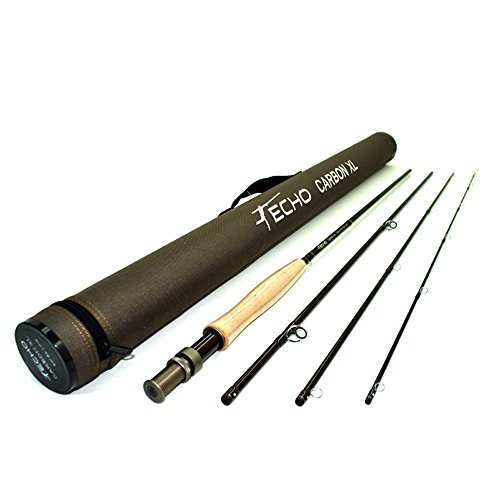
Echo Carbon XL
The Echo Carbon XL is a lightweight and affordable backpacking fly rod that delivers impressive performance. Designed with a medium-fast action, it provides accuracy and versatility for casting in tight spaces and handling various fly sizes. The Carbon XL boasts a slim profile, making it highly packable and convenient for backpacking trips. Anglers appreciate its sensitivity and responsiveness, allowing for a more intuitive fishing experience.
Echo Carbon XL Fly Rod
A true all-around performer with the features and feel associated with rods four times the cost. Tim designed these rods to be airy-light with actions that benefit a wide range of casting styles and fishing situations. Bass to browns, bluegill to brookies.
Buy Now
More Info
Mtn Cult may earn a commission if you buy through our links, at no extra cost to you.
11/27/2026 02:16 am GMT
Sage Foundation
The Sage Foundation is a high-quality backpacking fly rod that offers a perfect balance of power and finesse. With its fast action, it excels in casting distance and provides the strength necessary to handle larger fish. The Foundation series is known for its durability, ensuring it can withstand the rigors of backcountry fishing. While slightly pricier than some other options, the Sage Foundation is a favorite among experienced anglers seeking top-notch performance.
Sage Fly Fishing FOUNDATION Outfit Fly Rod, Reel & Line Combo
Sage FOUNDATION Outfit is a new generation of fly rod designed to help anglers fish with confidence. It boasts all the engineering and technology you expect from Sage, including the graphite IIIe Technology, Stealth Black blank color, and Ceramic stripper guides. The outfit includes a Sage SPECTRUM C reel and RIO Gold fly line.
Buy Now
More Info
Mtn Cult may earn a commission if you buy through our links, at no extra cost to you.
11/27/2026 02:16 am GMT
Comparative Analysis of Reviewed Backpacking Fly Rods
Now, let’s compare the reviewed backpacking fly rod models based on various factors to help you make an informed decision:
-
Performance: All the mentioned models offer excellent performance in their respective price ranges. The Redington Classic Trout and Orvis Clearwater cater to a wider range of anglers, from beginners to experienced fly fishers, with their forgiving actions. The Echo Carbon XL and Sage Foundation, with their faster actions, are better suited for experienced anglers who prioritize casting distance and accuracy.
-
Portability: The Echo Carbon XL and Redington Classic Trout are particularly notable for their packability and lightweight design, making them ideal for backpacking trips. The Orvis Clearwater and Sage Foundation, while slightly bulkier, still offer reasonable portability without compromising performance.
-
Price: The Redington Classic Trout and Echo Carbon XL are known for their affordability, making them great choices for anglers on a budget. The Orvis Clearwater strikes a balance between price and performance, while the Sage Foundation falls into a higher price range but offers top-tier performance and durability.
-
Warranty: Consider the warranty offered by each brand. Redington, Orvis, Echo, and Sage are reputable companies known for their customer service and backing their products with warranties that ensure long-term satisfaction.
Ultimately, the best backpacking fly rod for you will depend on your specific needs, preferences, and budget. Consider the factors that are most important to you, such as performance, portability, and price, and choose the rod that aligns best with your fishing style and backpacking adventures.
In the next section, we will delve into the essential accessories required for a successful backpacking fly fishing trip, complementing your chosen backpacking fly rod.
Essential Accessories for Backpacking Fly Fishing
Fly Reels and Line Considerations
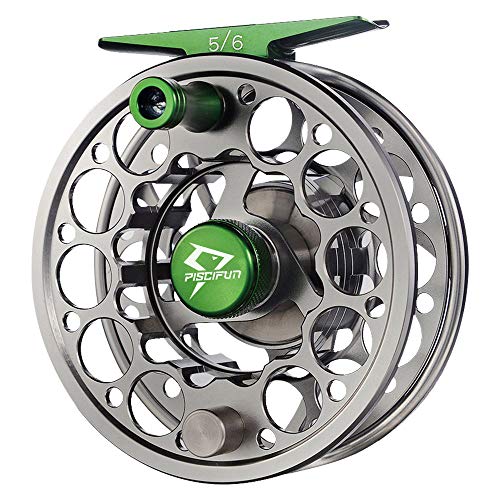
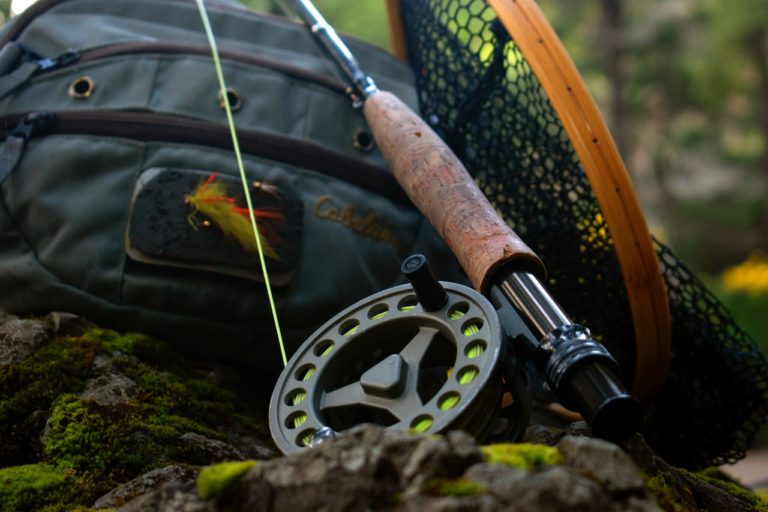
Alongside a reliable backpacking fly rod, choosing the right fly reel and line is crucial for a well-rounded backpacking fly fishing setup. When selecting a fly reel, consider its weight, durability, and drag system. Look for a reel that balances well with your backpacking fly rod and offers a smooth drag to handle various fish species. Lightweight and compact reels are preferable for backpacking, as they won’t add unnecessary bulk to your gear. Regarding fly lines, opt for weight-forward floating lines, as they provide versatility for different fishing techniques and are suitable for a wide range of fishing environments.
Choosing the Right Flies and Fly Boxes
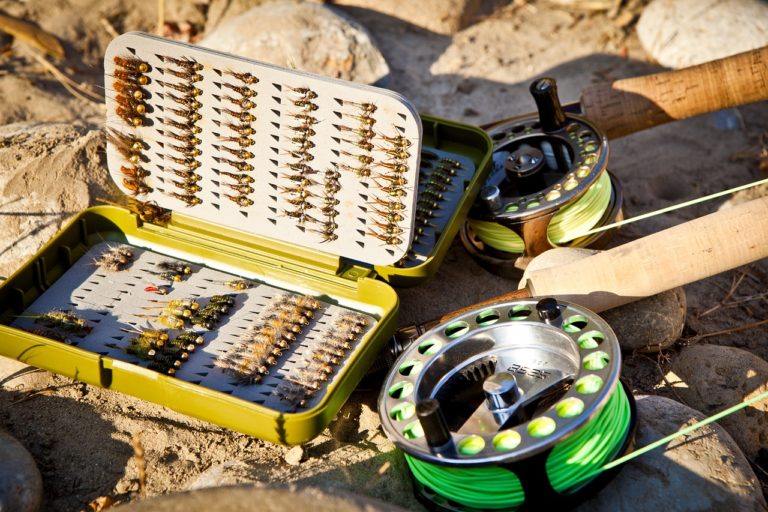
Carrying a well-curated selection of flies is essential for successful backpacking fly fishing trips. Research the insect life and fish species prevalent in the areas you plan to explore. Choose a variety of dry flies, nymphs, and streamers that mimic the local aquatic insects and baitfish. Consider carrying them in a compact, waterproof fly box that fits comfortably in your backpack or vest. Organize your flies systematically to ensure easy access and prevent damage.
Wading Gear and Appropriate Footwear
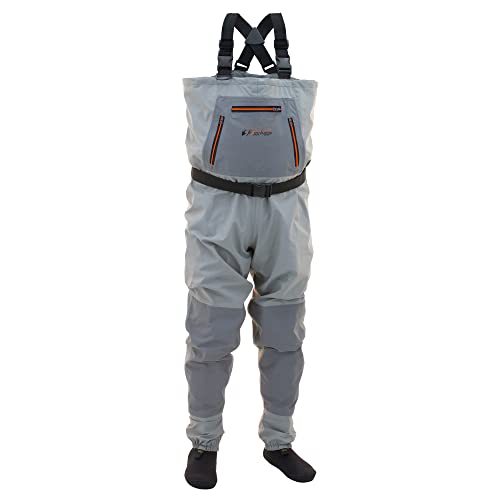
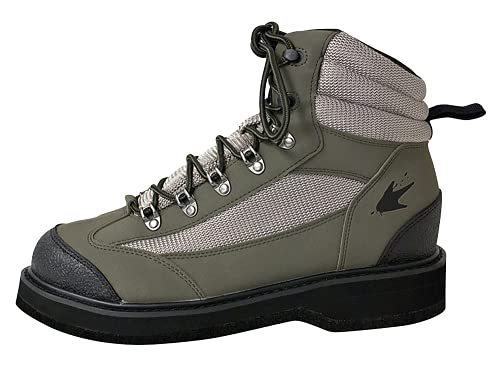
Depending on the fishing environments you encounter during your backpacking trips, wading gear may be necessary. A lightweight pair of waders and wading boots can offer protection and enable you to access fish-holding spots in rivers or lakes. Look for waders made from breathable materials to enhance comfort during long hikes. Additionally, invest in durable and supportive wading boots with proper traction to navigate slippery rocks and riverbeds safely.
Backpacking and Camping Equipment for Multi-Day Trips
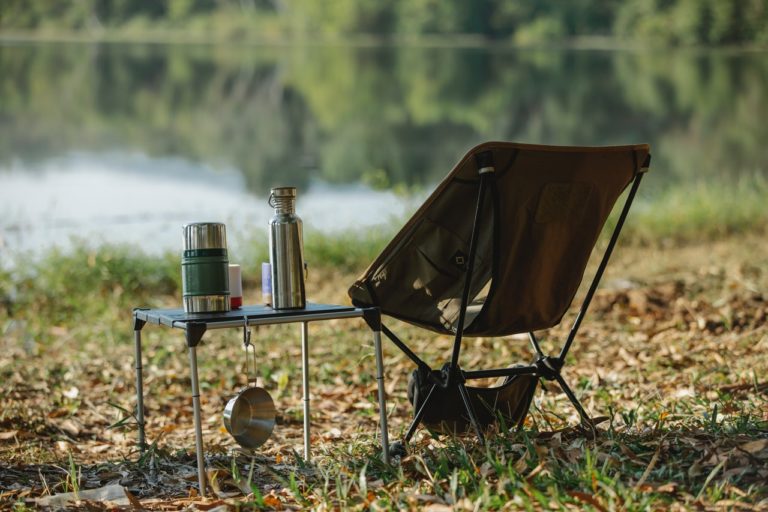
Backpacking fly fishing often involves multi-day trips into the backcountry, requiring essential camping equipment. Invest in a lightweight and reliable backpack that can accommodate your fly fishing gear along with your camping essentials. Consider the weight, capacity, and comfort features to ensure a comfortable backpacking experience. Additionally, pack a lightweight tent, sleeping bag, cooking utensils, and other necessary camping gear based on the duration and demands of your trip.
Safety and Survival Gear for Remote Fishing Locations
When venturing into remote fishing locations, it’s crucial to prioritize safety and be prepared for unexpected situations. Carry a comprehensive first aid kit that includes essential medical supplies and medications. Consider including navigation tools such as a map, compass, or GPS device to ensure you can find your way in unfamiliar territory. In case of emergencies, carry communication devices like a satellite phone or personal locator beacon. Additionally, pack essentials such as a headlamp, fire-starting materials, extra food, and water purification systems to ensure you’re prepared for unforeseen circumstances.
As you embark on your backpacking fly fishing adventures, remember to adhere to Leave No Trace principles and wilderness ethics. Respect the natural environment, minimize your impact, and leave the wilderness as pristine as you found it. By being mindful of your surroundings and practicing responsible outdoor ethics, you contribute to the preservation of these beautiful landscapes for future generations of backpackers and fly anglers.
In the next section, we will explore valuable tips and techniques that will enhance your backpacking fly fishing experience, allowing you to make the most of your time on the water in remote wilderness settings.
Tips and Techniques for Backpacking Fly Fishing
Casting Techniques for Limited Space and Challenging Terrains
Backpacking fly fishing often requires anglers to navigate through tight spaces and challenging terrains. To effectively cast in these conditions, mastering casting techniques suited for limited space is crucial. Practice roll casting, sidearm casting, and bow-and-arrow casting techniques, as they allow you to cast accurately and efficiently when vegetation or obstacles restrict your backcast. These techniques enable you to present your fly precisely where the fish are, even in small streams or under overhanging branches.
Strategies for Locating Fish in Backcountry Waters
In remote backcountry waters, understanding where fish are likely to be found is key to a successful backpacking fly fishing trip. Look for features such as riffles, deep pools, undercut banks, and eddies, as they often harbor feeding fish. Observe the water’s surface for rising fish or disturbances that indicate active feeding. Pay attention to insect activity, as hatches and the presence of nymphs or baitfish can provide clues about the fish’s preferred food sources. Being observant and adapting your fishing techniques to the specific conditions of the waterbody will significantly increase your chances of success.
Reading and Understanding Water Currents and Features
Developing the ability to read water currents and understand underwater features is essential for effective backpacking fly fishing. Observe the speed and direction of the current to identify potential holding areas for fish. Look for pockets behind rocks, seams between fast and slow-moving water, and foam lines where different currents converge. These areas often provide shelter and food sources for fish. Additionally, learn to identify underwater structures such as drop-offs, submerged logs, and boulders, as they can act as hiding spots for fish.
Managing Gear and Organizing a Backpacking Fly Fishing Setup
Proper gear management and organization are crucial for a seamless backpacking fly fishing experience. Invest in a backpack with designated compartments and attachment points specifically designed for fishing gear. Pack your fly rod securely, either within the backpack or externally using rod holders or straps. Keep your essential fishing gear easily accessible in pockets or compartments, ensuring efficient use of time on the water. Additionally, consider using gear tethers or retractors to prevent loss of tools and accessories.
Leave No Trace Principles and Wilderness Ethics
As backpackers and fly anglers, it is our responsibility to practice Leave No Trace principles and wilderness ethics. Respect the natural environment by minimizing your impact. Follow established trails, avoid trampling vegetation, and properly dispose of waste. Respect wildlife and observe from a distance, refraining from disturbing their habitats. Additionally, practice catch-and-release fishing, handle fish gently, and use barbless hooks to minimize harm. By adhering to these principles, we can ensure the preservation of wilderness areas and the sustainability of fish populations for future generations.
Backpacking fly fishing offers a unique blend of adventure, solitude, and immersion in nature. By employing these tips and techniques, you can enhance your experience and make the most of your backpacking fly fishing trips. In the next section, we will guide you through the process of planning a backpacking fly fishing trip, from selecting suitable destinations to ensuring safety and preparedness in remote locations.
Planning a Backpacking Fly Fishing Trip
Selecting Suitable Backpacking Destinations with Fishing Opportunities
Planning a backpacking fly fishing trip begins with selecting suitable destinations that offer both rewarding fishing opportunities and captivating natural beauty. Research different regions and consider factors such as accessibility, fishing regulations, and the presence of fish species you wish to target. Look for remote wilderness areas, national parks, or designated wilderness areas that provide a pristine and unspoiled environment for your backpacking adventure.
Researching Fishing Regulations and Acquiring Necessary Permits
Before embarking on your backpacking fly fishing trip, thoroughly research fishing regulations specific to the chosen destinations. Each region may have its own set of rules regarding fishing seasons, catch limits, and required permits or licenses. Ensure you comply with these regulations to protect fish populations and maintain the integrity of the ecosystems. Acquire the necessary permits or licenses well in advance to avoid any last-minute complications.
Seasonal Considerations for Optimal Fishing Conditions
Understanding the seasonal patterns and conditions of your chosen backpacking fly fishing destinations is crucial for maximizing your chances of success. Research the peak fishing seasons and the hatches that occur during specific times of the year. Consider the water temperature, weather patterns, and the impact of runoff or snowmelt on the fishing conditions. By aligning your trips with optimal fishing seasons, you increase the likelihood of encountering active and feeding fish.
Planning Logistics, Including Transportation and Camping Arrangements
Proper planning of logistics ensures a smooth and enjoyable backpacking fly fishing experience. Arrange transportation to the trailhead or access point of your chosen destination, considering factors such as distance, road conditions, and parking availability. Plan your backpacking route, taking into account the estimated hiking time, campsite options, and proximity to fishing spots. Research and reserve backcountry campsites if necessary, ensuring compliance with wilderness regulations. Consider factors such as water availability, proximity to fishing waters, and potential wildlife encounters when selecting campsites.
Safety Precautions and Emergency Preparedness
Safety should be a top priority when embarking on a backpacking fly fishing trip, especially when venturing into remote and wild areas. Prepare a detailed itinerary and share it with a trusted friend or family member. Familiarize yourself with potential hazards, such as wildlife encounters, extreme weather conditions, or difficult terrain. Carry essential safety gear, including a first aid kit, emergency shelter, navigation tools, and communication devices like a satellite phone or personal locator beacon. Stay informed about weather forecasts and be prepared to adapt your plans if conditions become unfavorable.
By carefully planning your backpacking fly fishing trip, you can ensure a safe, rewarding, and unforgettable experience in the wilderness. Remember to respect nature, practice responsible fishing, and leave the environment as you found it. Now, in the final section of this article, we will recap the importance of a backpacking fly rod, summarize key factors to consider when choosing one, and reflect on the unique experiences and rewards of backpacking fly fishing.
From Wilderness to Serenity: Backpacking Fly Fishing Unveiled
The Importance of a Backpacking Fly Rod in Fly Fishing Adventures
Throughout this comprehensive guide, we have explored the significance of a backpacking fly rod in the context of fly fishing adventures. A backpacking fly rod serves as more than just a tool for casting lines; it is a gateway to unforgettable experiences and cherished memories in the wilderness. Its compactness, portability, and durability make it an essential piece of gear for anglers who want to combine their love for backpacking and fly fishing. With a backpacking fly rod in hand, you can access remote and pristine fishing locations, immerse yourself in nature, and indulge in the serenity of backcountry waters.
Key Factors to Consider when Choosing a Backpacking Fly Rod
Choosing the right backpacking fly rod requires careful consideration of several key factors. Length and weight are crucial, as they affect maneuverability and ease of transportation. Packability and portability are vital for backpackers, allowing the rod to fit conveniently within a backpack. Durability and material determine the rod’s resilience in rugged environments. Action and versatility impact casting accuracy and adaptability to different fishing scenarios. By evaluating these factors and aligning them with your personal needs, fishing style, and target fish species, you can select a backpacking fly rod that enhances your outdoor experiences.
Reflecting on the Unique Experiences and Rewards of Backpacking Fly Fishing
Backpacking fly fishing offers a unique blend of adventure, solitude, and connection with nature. As you venture into remote backcountry waters, you find yourself immersed in breathtaking landscapes, away from the noise and distractions of everyday life. The serenity of casting a fly into a crystal-clear stream or watching the rise of a trout in a secluded alpine lake is an experience that stays with you. Backpacking fly fishing allows you to test your skills, adapt to challenging conditions, and develop a deep appreciation for the natural world. It fosters a sense of self-reliance, resilience, and connection to the wild places that shape our spirits.
In conclusion, a backpacking fly rod is not merely a piece of fishing equipment; it is a key to unlocking the wonders of the wilderness. It empowers you to embark on extraordinary journeys, to explore uncharted waters, and to immerse yourself in the beauty of nature. By choosing the right backpacking fly rod, equipping yourself with essential accessories, honing your skills, and practicing responsible outdoor ethics, you can embark on unforgettable backpacking fly fishing adventures that will leave a lasting impression.
So, embrace the call of the wild, embrace the allure of backpacking and fly fishing, and embark on your own journey into the backcountry. May your backpacking fly rod become an extension of your spirit, guiding you to remote waters, connecting you with the rhythm of nature, and filling your heart with the joys of exploration and the thrill of the catch.
Tight lines and happy trails!