Mastering the Backcountry: Avalanche Safety Courses for Skiers
Unleash the Backcountry: The Power of Avalanche Safety Courses
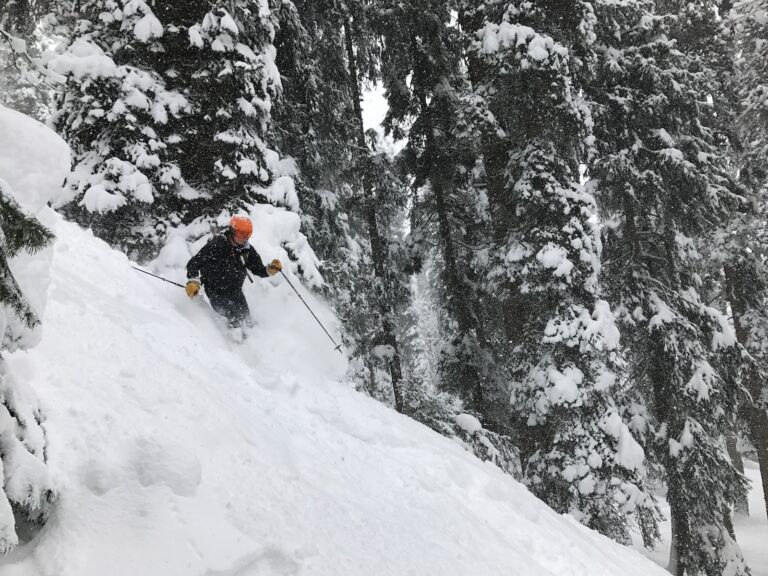
Deep within the heart of the pristine backcountry, where nature’s beauty is untamed and the snow-covered slopes stretch as far as the eye can see, lies a world that beckons to a unique breed of adventurer—the backcountry skier. For over four decades, I have been enchanted by the allure of these remote, untouched landscapes, and my journey through this mesmerizing realm has not been without its share of challenges and perils. It is here, amidst the serene and uncharted terrain, that we confront a formidable adversary: the avalanche.
Imagine the sheer exhilaration of carving your own path down a mountainside, the hushed whispers of the untouched snow beneath your skis, and the sense of solitude that envelops you. Yet, with the exhilaration comes an undeniable truth: the backcountry is a wilderness that does not easily yield its secrets, and its rewards are often matched by its risks. Among these risks, avalanches stand as the most formidable and unpredictable force of nature. They are the specters that haunt the minds of backcountry skiers, a force that can turn exhilaration into tragedy in the blink of an eye.
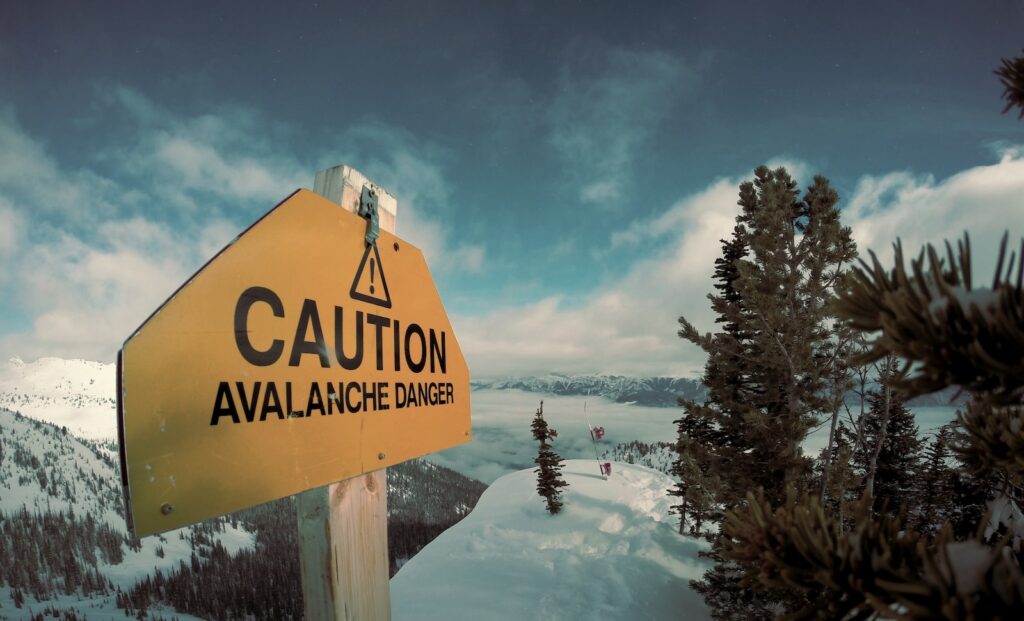
Avalanches, those cascading walls of snow and ice, can be unforgiving. They care not for your skill, experience, or enthusiasm. They are indifferent to your love for the mountains or the camaraderie of your skiing companions. In their shadow, we are reminded of our vulnerability, the fragility of life against the forces of nature. It is a harsh reminder that nature is both a provider and a taker—a humbling truth that demands our respect and our vigilance.
It is in this crucible of challenge and wonder that the concept of avalanche safety courses for backcountry skiing emerges—a beacon of knowledge and preparedness in the face of nature’s most formidable adversary. In this comprehensive guide, we will embark on a journey into the heart of avalanche safety courses. We will delve into the essence of understanding avalanches, the critical importance of these courses, and the life-saving skills they bestow upon those who dare to explore the backcountry’s wonders.
But this is not merely a guide; it is an exploration of a passion and a pursuit—a testament to the skiers who dare to venture beyond the groomed trails, to those who seek the pristine, untrammeled beauty of the wilderness. It is a call to action, an invitation to master the backcountry through knowledge, experience, and a profound respect for the elements.
So, as we embark on this odyssey into the world of avalanche safety courses, let us embrace the wisdom they offer, the camaraderie they foster, and the safety they provide. Join me as we journey into the heart of the backcountry, where knowledge and preparation are the keys to unlocking the majesty of this wild, untamed world.
Understanding Avalanches: Nature’s Unpredictable Fury
In the ethereal realm of backcountry skiing, where untouched snow blankets the world in pristine silence, the specter of avalanches looms as both a constant reminder and an enigmatic force of nature. To venture into this wilderness is to step into a world where avalanches, those formidable and unpredictable phenomena, command the utmost respect and vigilance. Understanding avalanches is not a choice for backcountry skiers; it is an imperative, a fundamental pillar upon which their safety and survival depend.
Definition and Types of Avalanches
-
The Avalanche Unveiled: Avalanches, in their simplest form, are masses of snow, ice, and debris hurtling down a mountain slope with astonishing power and speed. They can range from small, harmless sloughs to massive, devastating slides that can engulf entire valleys. Understanding the anatomy of an avalanche is paramount.
-
Types of Avalanches: Avalanches are not monolithic; they come in various forms, each with its own characteristics and triggers. Some of the most common types include:
-
Slab Avalanches: These are cohesive layers of snow that break loose and slide as a single unit. They are often the most destructive type.
-
Loose Snow Avalanches: These occur when loose, unconsolidated snow slides down a slope, often triggered by a skier or snowboarder.
-
Wet Avalanches: Formed from wet, heavy snow, these avalanches move slowly but can be incredibly powerful due to their high density.
-
Glide Avalanches: These are slow-moving avalanches that can release spontaneously, without any visible trigger.
-
Factors Contributing to Avalanches
-
The Avalanche Trifecta: Avalanches are not random events but the result of a delicate interplay of three primary factors:
-
Snowpack: The composition and stability of the snow layers in a given area. Weak layers within the snowpack are often the culprits.
-
Weather: Current and past weather conditions significantly influence avalanche risk. Snowfall, wind, temperature fluctuations, and even solar radiation play vital roles.
-
Terrain: The shape and steepness of the terrain can either mitigate or exacerbate avalanche risk. Slopes, chutes, and gullies all contribute to avalanche dynamics.
-
-
Human Triggers: Skiers and snowboarders can unwittingly trigger avalanches through their movements and choices of terrain. Understanding the interaction between human activity and avalanche conditions is critical for safe backcountry skiing.
Avalanche Danger Scale and Ratings
-
Quantifying Risk: To aid backcountry skiers in assessing avalanche danger, various rating systems are employed worldwide. One of the most widely used is the Avalanche Danger Scale, which provides a clear, five-level assessment of the current avalanche risk, ranging from Low to Extreme.
-
Interpreting the Scale: A deep dive into the nuances of this scale is essential. It considers factors such as the likelihood of avalanches and their potential size, providing valuable guidance to skiers regarding whether they should venture into the backcountry on a given day.
Understanding avalanches is not a passive pursuit; it is a dynamic and ever-evolving science. In this journey, knowledge is your shield, and respect for the natural world is your compass. By mastering the intricacies of avalanches, backcountry skiers unlock the power to navigate these awe-inspiring landscapes with confidence and safety. In the subsequent sections of this guide, we will delve deeper into the world of avalanche safety courses, where this knowledge is imparted, honed, and put to practical use, ensuring that every turn in the backcountry is not only exhilarating but also well-informed and secure.
The Need for Avalanche Safety Courses: Embracing Responsibility in the Backcountry
In the realm of backcountry skiing, where nature’s majesty unfolds in all its unspoiled glory, the allure is undeniable. It’s a world where skiers yearn to venture off the beaten path, to explore terrain untouched by ski lifts, and to forge their paths through landscapes that few will ever witness. Yet, this enchanted realm harbors a duality—an undeniable truth that we cannot afford to ignore: the backcountry is as unforgiving as it is breathtaking. Amidst the pristine solitude and untouched powder lie lurking dangers, the most formidable of which is the avalanche.
Statistical Evidence of the Risks in Backcountry Skiing
-
An Unsettling Reality: Avalanche incidents in the backcountry are not isolated events; they represent a recurring challenge for skiers. The statistics paint a sobering picture:
-
Each year, avalanches claim lives and cause injuries among backcountry skiers and snowboarders worldwide.
-
Despite advances in technology and safety gear, the risk remains significant.
-
Many victims of avalanches are experienced skiers who underestimated the danger.
-
-
The Human Factor: An unsettling aspect is the contribution of human factors to avalanche incidents. Complacency, overconfidence, and a lack of awareness often play pivotal roles in these tragedies.
Consequences of Not Being Prepared for Avalanches
-
The Price of Unpreparedness: To truly grasp the importance of avalanche safety courses, one must consider the consequences of venturing into the backcountry without adequate knowledge and preparation:
-
Loss of life and injuries to oneself and companions.
-
Trauma and emotional scars for survivors and witnesses.
-
Search and rescue efforts that strain resources and risk the lives of first responders.
-
Legal and financial ramifications, including liability issues.
-
-
The Ripple Effect: The impact of an avalanche extends far beyond the immediate victims. Families, friends, and the broader backcountry community are left grappling with grief and loss.
Emphasizing Responsibility
-
The Skier’s Responsibility: Every backcountry skier must acknowledge their responsibility to themselves, their companions, and the backcountry community. It is a responsibility that transcends the exhilaration of untouched slopes and the camaraderie of skiing companions.
-
The Ethical Imperative: Beyond the technicalities of skill and gear, backcountry skiing demands an ethical commitment—a vow to respect the environment and its inherent risks.
Highlighting the Legal Aspects and Liability Considerations
-
Legal Implications: The legal landscape surrounding backcountry skiing and avalanche incidents is complex. Skiers must be aware of potential legal ramifications, both as victims and rescuers.
-
Liability: Avalanche safety courses play a crucial role in mitigating liability. Instructors and course providers equip skiers with the skills and knowledge necessary to make informed decisions and minimize risk.
Avalanche safety courses are not mere options; they are the bedrock of responsible backcountry skiing. They represent a commitment to the safety and well-being of oneself and the community of like-minded adventurers who share these wild spaces. In the sections to follow, we will embark on a detailed exploration of what avalanche safety courses entail, their components, benefits, and how they empower skiers to navigate the backcountry with confidence and respect for the formidable forces of nature.
Avalanche Safety Course Components: Equipping Skiers for the Backcountry’s Challenges
As backcountry skiers, our quest for unspoiled slopes and untouched powder brings us face to face with nature’s unforgiving power—avalanches. It is not enough to merely recognize their existence; we must strive to understand them intimately. Avalanche safety courses serve as the crucible where skiers transform from novices to seasoned adventurers, armed with knowledge and skills that can mean the difference between life and death in the backcountry.
Avalanche Awareness
-
Identifying Avalanche Terrain: The foundation of avalanche awareness lies in the ability to recognize the terrain that is prone to avalanches. Skiers learn to read the landscape, identifying potential avalanche paths, slopes, and features that elevate risk.
-
Recognizing Red Flags: Avalanche awareness extends to identifying the subtle signs and red flags that indicate an increased risk of avalanches. These can include recent snowfall, rapid temperature changes, wind patterns, and cracks in the snow.
Snowpack Analysis
-
Understanding Snowpack Layers and Stability: Skiers delve deep into the snowpack, learning about its intricate layers and their stability. Weak layers within the snowpack are often the culprits behind avalanches, and understanding their behavior is crucial.
-
Snowpit Analysis: Skiers gain hands-on experience in digging snow pits, where they can assess the snowpack’s stability by performing various tests. This practical knowledge helps them make informed decisions in the field.
Use of Avalanche Safety Gear
-
Avalanche Transceivers: These are invaluable tools for locating buried companions. Skiers learn how to use transceivers for both transmitting and receiving signals, practicing search and rescue scenarios.
-
Shovels and Probes: Skiers become proficient in using shovels and probes to dig out buried victims efficiently. This training ensures that precious time is not wasted in the event of an avalanche burial.
-
Avalanche Airbags: For skiers venturing into high-risk terrain, avalanche airbags can be life-saving. Courses cover their deployment and functionality.
Decision-Making
-
Terrain Selection: Skiers develop the ability to select safe terrain and make route choices that minimize exposure to avalanche risk. This involves assessing slope angle, aspect, and elevation.
-
Route Planning and Group Communication: Effective communication within a skiing group is paramount. Avalanche safety courses emphasize group decision-making, ensuring that everyone understands the plan, has input, and can communicate effectively during a tour.
Companion Rescue Techniques
-
Beacon Searches: In a scenario where a member of the skiing group is buried, the ability to conduct a swift and accurate beacon search is critical. Courses teach the techniques for quickly pinpointing a buried victim’s location.
-
Efficient Digging and Probing: Skiers learn how to efficiently dig and probe for buried victims, maximizing the chances of a successful rescue.
Avalanche safety courses are not just theoretical endeavors; they are immersive experiences that combine classroom learning with hands-on field practice. Skiers come away from these courses not only with a deep understanding of avalanches but also with the practical skills and muscle memory to respond effectively in the high-stress environment of an avalanche incident.
By investing in avalanche safety courses, skiers invest in their safety and the safety of their companions. They emerge as stewards of the backcountry, equipped with the knowledge and tools to make informed decisions and mitigate risk. In the next section, we will explore the tangible benefits of undertaking these courses and how they contribute to safer, more fulfilling backcountry skiing experiences.
Benefits of Avalanche Safety Courses: Empowering Skiers for Safer Adventures
Avalanche safety courses are more than just a theoretical exploration of avalanches; they are transformative experiences that arm backcountry skiers with vital knowledge, skills, and confidence. These courses not only elevate one’s skiing prowess but, more importantly, they enhance the ability to make life-saving decisions in the unpredictable and formidable world of avalanches. In this section, we will delve into the multifaceted benefits of investing in avalanche safety courses.
Increased Safety and Risk Reduction
-
Knowledge is Power: The foremost benefit of these courses is the empowerment they provide. Skiers gain an in-depth understanding of avalanche dynamics, risk factors, and how to avoid hazardous situations.
-
Risk Mitigation: Armed with the knowledge of avalanche terrain, weather patterns, and snowpack analysis, skiers can make informed decisions that significantly reduce the risk of encountering avalanches.
-
Quick Response: In the event of an avalanche incident, skiers who have undergone these courses can respond swiftly and efficiently, increasing the chances of a successful rescue.
Enhanced Decision-Making Skills
-
Confident Choices: Avalanche safety courses instill a sense of confidence in backcountry skiers. They learn how to assess conditions, terrain, and their group’s abilities, resulting in better decision-making.
-
Risk Assessment: Skiers become adept at evaluating the avalanche danger scale, recognizing red flags, and adjusting their plans accordingly. This ability to adapt to changing conditions is a crucial aspect of backcountry safety.
Confidence Building
-
Mastering Fear: The backcountry can be an intimidating place, especially for newcomers. Avalanche safety courses help skiers conquer their fears by replacing uncertainty with knowledge and competence.
-
Skill Mastery: As skiers gain proficiency in using avalanche safety gear and conducting rescue operations, their self-assuredness grows. This newfound confidence enhances their overall backcountry experience.
Connection to a Community of Like-Minded Skiers
-
Building a Network: Avalanche safety courses provide an opportunity to connect with fellow backcountry enthusiasts. This sense of community can be invaluable, as it fosters a culture of sharing knowledge and looking out for one another.
-
Mentorship: More experienced skiers often play mentorship roles, guiding newcomers and offering insights gained from years of backcountry exploration.
Legal and Insurance Benefits
-
Liability Protection: Completing an avalanche safety course demonstrates a commitment to safety. In some cases, it can influence the legal outcome in the event of an accident or rescue operation.
-
Insurance Requirements: Some insurers may require proof of avalanche safety training for coverage in the backcountry. Undertaking these courses ensures skiers meet these criteria.
Avalanche safety courses are not merely a checklist item for backcountry skiers; they are investments in one’s own well-being and that of their companions. Beyond the immediate benefits of safety and risk reduction, these courses shape skiers into responsible and knowledgeable adventurers who can savor the backcountry’s wonders while respecting its inherent dangers.
As we continue to explore the world of avalanche safety courses, we will delve deeper into the various types of courses available, how to find the right one, and what to expect during your journey toward becoming a seasoned backcountry skier who confidently treads the snowy landscapes, knowing that safety is a paramount priority.
Types of Avalanche Safety Courses: Tailoring Education to Your Needs
Avalanche safety courses are not a one-size-fits-all proposition. Just as the backcountry itself offers a myriad of terrain and conditions, the educational landscape for avalanche safety is diverse, offering skiers a range of options to suit their skill levels, aspirations, and goals. In this section, we will explore the different types of avalanche safety courses available, helping you find the one that aligns with your needs.
Introductory Courses
-
For Novices and Beginners: Introductory courses cater to those who are new to backcountry skiing and avalanche safety. They provide fundamental knowledge about avalanche awareness, gear use, and basic rescue techniques.
-
Key Components:
-
Avalanche Awareness: Understanding avalanche terrain and recognizing danger signs.
-
Safety Gear Use: Introduction to avalanche transceivers, shovels, and probes.
-
Basic Companion Rescue: Basic skills for responding to an avalanche incident.
-
Advanced Courses
-
For Intermediate Skiers: Advanced courses are designed for skiers with some backcountry experience who wish to deepen their knowledge and skills. These courses delve into more complex topics and scenarios.
-
Key Components:
-
Snowpack Analysis: In-depth study of snowpack stability and layers.
-
Decision-Making: Advanced techniques for terrain assessment and route planning.
-
Companion Rescue: Comprehensive training in efficient search and rescue techniques.
-
Pro-Level Courses
-
For Seasoned Backcountry Veterans: Pro-level courses are tailored for experienced backcountry skiers who aspire to become experts in avalanche safety. These courses are rigorous and require a high level of commitment.
-
Key Components:
-
Snow Science: A deep dive into the science of snow and avalanche formation.
-
Expert Decision-Making: Advanced terrain evaluation and decision-making in high-risk environments.
-
Leadership Skills: Training for guiding and leading groups safely in the backcountry.
-
Online Courses vs. In-Person Courses
-
Online Courses: In recent years, online avalanche safety courses have become increasingly popular. They offer flexibility for remote learning, making them accessible to a broader audience. However, hands-on practice in the field may be limited.
-
In-Person Courses: Traditional, in-person courses provide a hands-on learning experience that is invaluable for practical skill development. These courses often include fieldwork and scenario simulations.
Hybrid and Customized Courses
-
Hybrid Courses: Some programs offer a blend of online and in-person components, allowing students to access course materials remotely while still benefiting from hands-on training.
-
Customized Courses: In certain cases, avalanche safety courses can be tailored to meet specific needs or group requirements. These customized courses are ideal for organizations, clubs, or advanced skiers with unique objectives.
Choosing the right type of avalanche safety course is a critical step in your backcountry skiing journey. It should align with your current skill level, your goals as a skier, and the level of risk you are willing to undertake. Researching course providers, reading reviews, and seeking recommendations from experienced skiers can help you make an informed decision.
Remember that avalanche safety is an ongoing process, and many skiers continue to advance their knowledge and skills through additional courses and real-world experience. In the following sections, we will delve deeper into how to find the right course, prepare for it, and what to expect during your avalanche safety education.
Finding the Right Course: Navigating the Avalanche Safety Education Landscape
Choosing the right avalanche safety course is akin to selecting the perfect pair of skis—it’s a decision that directly impacts your backcountry skiing experience. As the demand for avalanche safety education has grown, so too has the number of course providers and options available. In this section, we will guide you through the process of finding the right avalanche safety course that suits your needs and preferences.
Researching Course Providers and Instructors
-
Reputation Matters: Begin your quest by researching reputable avalanche safety course providers. Look for organizations, schools, and instructors with a track record of delivering high-quality education. Consider factors such as their years in operation, reviews from past students, and any affiliations with recognized avalanche safety associations.
-
Instructor Qualifications: The competence and experience of instructors play a pivotal role in your learning experience. Instructors should have recognized certifications such as those from the American Institute for Avalanche Research and Education (AIARE) or equivalent international organizations.
Reading Reviews and Seeking Recommendations
-
Peer Feedback: Reading reviews and seeking recommendations from fellow backcountry skiers can provide invaluable insights. Online forums, social media groups, and ski clubs often feature discussions about course experiences and recommendations.
-
Local Knowledge: If possible, connect with local skiers in your region who can offer guidance on reputable course providers tailored to your geographic area and conditions.
Considering Location and Accessibility
-
Local vs. Destination Courses: Determine whether you prefer to take a course locally or are open to traveling to a destination renowned for backcountry skiing and avalanche education. The choice often depends on your schedule, budget, and the availability of courses in your region.
-
Course Dates: Check the course schedule and ensure that the dates align with your availability. Some courses are offered over several weekends or as intensive multi-day programs.
-
Cost: Consider the course fees, which can vary widely depending on the level and duration of the course, as well as the reputation of the provider. Remember that this is an investment in your safety and skill development.
Course Curriculum and Structure
-
Curriculum Alignment: Review the course syllabus to ensure it covers the topics that are most important to you, based on your skill level and objectives. Courses should align with recognized avalanche safety standards.
-
Teaching Methodology: Understand the teaching methods used in the course. Does it offer a balance of classroom instruction and practical fieldwork? Does it include scenario simulations?
Preparing for an Avalanche Safety Course
-
Physical Fitness and Skiing Ability: Assess your physical fitness and skiing or snowboarding proficiency. While introductory courses do not require advanced skiing skills, advanced courses may demand a higher level of fitness and experience.
-
Required Gear and Equipment: Familiarize yourself with the gear and equipment required for the course, including avalanche transceivers, shovels, probes, and any additional clothing or safety gear. Ensure you have the necessary equipment before the course begins.
-
Mental Preparedness: Understand that avalanche safety courses can be physically and mentally demanding. Be prepared to step out of your comfort zone and embrace the challenges of the course with an open mind.
Choosing the right avalanche safety course is a significant step towards ensuring your safety and the safety of your backcountry skiing companions. It’s an investment that goes beyond honing your skills; it’s a commitment to responsible and informed skiing in the majestic yet unpredictable world of the backcountry. In the following sections, we will explore what you can expect during your avalanche safety course, including the typical format, classroom vs. field sessions, and hands-on practice to prepare you for the real-world challenges of the backcountry.
Preparing for an Avalanche Safety Course: Setting the Stage for Success
Embarking on an avalanche safety course is not a decision to be taken lightly. It’s a commitment to your own safety and the safety of those who may one day depend on your knowledge and skills in the backcountry. To make the most of your education, thorough preparation is essential. In this section, we will explore the steps you can take to prepare for your avalanche safety course effectively.
Physical Fitness and Skiing Ability
-
Assess Your Fitness Level: Backcountry skiing can be physically demanding, involving uphill climbs and navigating challenging terrain. Assess your fitness level honestly and consider embarking on a fitness regimen that includes cardiovascular and strength training exercises, especially if you’re new to the sport.
-
Skiing or Snowboarding Proficiency: Depending on the course level you’ve chosen, you may need a certain degree of skiing or snowboarding proficiency. Ensure that your skiing skills align with the course prerequisites, and if necessary, consider taking skiing lessons or practicing your skills on local slopes.
Required Gear and Equipment
-
Avalanche Safety Gear: Familiarize yourself with the specific avalanche safety gear required for your course. This typically includes:
-
Avalanche Transceiver (Beacon): Learn how to operate your beacon, including switching between transmit and search modes.
-
Shovel and Probe: Understand the assembly and usage of these tools, which are crucial for avalanche rescue.
-
Avalanche Airbag (if applicable): If your course requires the use of an avalanche airbag, make sure you are comfortable with its operation.
-
-
Clothing and Layering: Dress appropriately for the course, considering the weather conditions you may encounter during field sessions. Layering is key to regulating body temperature.
-
Personal Safety Gear: Ensure you have other essential personal safety gear, such as a helmet, goggles, gloves, and appropriate clothing for the backcountry environment.
Mental Preparedness and Expectations
-
Commit to Learning: Approach the course with a mindset of eager learning. Avalanche safety is a serious matter, and your dedication to acquiring knowledge is vital.
-
Manage Expectations: Understand that avalanche safety courses can be physically and mentally challenging. You may be required to venture into remote areas, endure adverse weather conditions, and perform strenuous activities. Mental resilience is just as important as physical fitness.
-
Stay Open-Minded: Be open to new information and different perspectives. Instructors are experienced professionals, and their guidance may challenge your preconceptions about backcountry safety.
-
Safety First: Remember that safety is paramount. In the backcountry, errors can have serious consequences. Keep safety at the forefront of your mind and prioritize it above all else.
-
Practice Patience: Learning the ins and outs of avalanche safety takes time. Be patient with yourself and with your fellow course participants. Everyone is there to learn and improve.
Gather Course Materials
-
Course Manuals and Reading Materials: If your course provides course manuals or reading materials in advance, acquire them and familiarize yourself with the content. This will give you a head start on understanding key concepts.
-
Recommended Reading: In addition to the course materials, consider exploring books, articles, or online resources related to avalanche safety. This background knowledge can enhance your understanding during the course.
-
Equipment Checklist: Review any equipment checklists provided by your course provider to ensure you have all the necessary gear and equipment.
By proactively addressing these preparations, you set yourself up for success in your avalanche safety course. Remember that these courses are designed not only to impart knowledge but also to instill a deep respect for the backcountry and its inherent risks. In the subsequent sections of this guide, we will dive into what you can expect during your avalanche safety course, including the typical format, classroom sessions, fieldwork, and hands-on practice to equip you for real-world backcountry scenarios.
What to Expect During an Avalanche Safety Course: Navigating the Learning Journey
Entering an avalanche safety course is akin to embarking on an expedition into the world of backcountry knowledge and preparedness. It’s an immersive experience that blends classroom learning with hands-on fieldwork, equipping you with the tools to decipher the complex language of snow and avalanches. In this section, we will provide an in-depth look at what you can anticipate during your avalanche safety course, from the typical course format to the nuances of classroom vs. field sessions.
Typical Course Duration and Format
-
Varied Durations: Avalanche safety courses come in various durations, often ranging from a single day to multiple weeks, depending on the course level. The complexity of the subject matter typically corresponds with the course’s length.
-
Mix of Classroom and Field Sessions: The format of avalanche safety courses strikes a balance between classroom learning and fieldwork. This combination allows you to absorb theoretical knowledge and then apply it in real-world scenarios.
-
Scenario Simulations: Many courses incorporate scenario simulations where you practice what you’ve learned in a controlled environment, mirroring real avalanche rescue situations.
Classroom vs. Field Sessions
-
Classroom Sessions:
-
Theory and Fundamentals: In the classroom, you will dive into the foundational principles of avalanche science. Topics may include snowpack analysis, weather patterns, terrain assessment, and the human factor in avalanche incidents.
-
Avalanche Awareness: You will learn how to recognize avalanche terrain, interpret the avalanche danger scale, and identify red flags that signal increased avalanche risk.
-
Gear and Equipment: Classroom sessions often cover the proper use of avalanche safety gear, such as avalanche transceivers, shovels, and probes.
-
Decision-Making Skills: Instructors will guide you in understanding how to make informed decisions regarding route planning, group dynamics, and safe travel in the backcountry.
-
-
Field Sessions:
-
Hands-On Practice: Field sessions take place in actual backcountry environments or terrain designed to simulate backcountry conditions. Here, you will apply the knowledge gained in the classroom to assess snowpack stability, recognize avalanche terrain, and make field observations.
-
Snowpit Analysis: A fundamental part of field sessions involves digging snow pits to analyze the snowpack layers and conduct stability tests. This practical experience is invaluable for assessing avalanche risk.
-
Companion Rescue Drills: Field sessions provide the opportunity to practice companion rescue techniques using avalanche transceivers, shovels, and probes. This hands-on practice is critical for real-world avalanche scenarios.
-
Hands-On Practice and Scenarios
-
Avalanche Drills: One of the highlights of avalanche safety courses is the opportunity to participate in avalanche drills and simulations. These scenarios allow you to put your newfound knowledge and skills to the test in a controlled environment.
-
Realistic Simulations: Instructors may create realistic avalanche scenarios where you and your fellow course participants will perform companion rescue operations, including transceiver searches, probing, and efficient shoveling techniques.
-
Search and Rescue Scenarios: These scenarios mimic the high-pressure situations that can arise during an avalanche incident. They emphasize effective communication and collaboration among group members.
-
Terrain Assessment: Field sessions also include terrain assessment exercises, during which you will learn to identify avalanche-prone slopes and make informed decisions about whether to ski or avoid specific areas.
Evaluation and Assessment
-
Skills Assessment: Depending on the course, you may be evaluated on your knowledge and practical skills. This evaluation often includes written tests, field assessments, and your ability to make sound decisions during field scenarios.
-
Feedback and Improvement: Course instructors will provide feedback and guidance throughout the course, helping you identify areas for improvement and reinforcing your strengths.
-
Certification: Many avalanche safety courses offer certification upon successful completion. This certification is recognized within the skiing and snowboarding communities and can be beneficial for your backcountry endeavors.
By understanding the structure and components of your avalanche safety course, you can approach it with a clear sense of purpose and readiness. Remember that avalanche safety education is not just about acquiring knowledge; it’s about fostering a deep respect for the backcountry and its inherent risks. In the upcoming sections of this guide, we will explore real-life stories and case studies that highlight the practical benefits of avalanche safety courses, showcasing how they can make a life-saving difference in the unpredictable world of the backcountry.
Beyond the Course: Continuing Education, Mentorship, and Community Engagement
Completing an avalanche safety course is a significant milestone in your journey as a backcountry skier, but it’s just the beginning. The backcountry is an ever-evolving environment, and ongoing education, mentorship, and community engagement are essential to ensure that you continue to grow as a responsible and informed adventurer.
The Lifelong Learning Journey
-
Staying Updated: Avalanche science and safety practices evolve. Stay informed about the latest developments, research, and best practices in avalanche safety through journals, books, and online resources.
-
Advanced Courses: Consider advancing your knowledge with higher-level avalanche safety courses. These courses delve deeper into snow science, terrain analysis, and leadership skills.
-
Refresher Courses: Periodically refreshing your avalanche safety knowledge and skills through refresher courses or workshops is crucial to maintain competence.
Mentorship and Skill-Sharing
-
Experienced Mentors: Seek mentorship from experienced backcountry skiers or instructors. Learning from those with years of experience can provide valuable insights and help you avoid common pitfalls.
-
Guiding and Instructing: As your skills grow, consider becoming an AIARE instructor or joining a guiding program. Sharing your knowledge with others not only reinforces your own understanding but also contributes to the safety of the backcountry community.
Community Engagement
-
Join Clubs and Organizations: Many regions have backcountry skiing clubs and organizations. Joining these groups offers opportunities for group outings, networking, and knowledge exchange.
-
Participate in Avalanche Forecasting: Contribute to avalanche forecasting by reporting your observations to local avalanche centers. Your firsthand observations can help forecasters make more accurate predictions.
-
Advocacy and Safety Initiatives: Get involved in advocacy efforts related to backcountry safety. This could include supporting educational programs, promoting responsible backcountry practices, and advocating for improved access and safety infrastructure.
Leadership and Responsibility
-
Lead by Example: As you gain experience, lead groups responsibly and emphasize safety. Encourage your companions to undergo avalanche safety training and follow best practices.
-
Safety Culture: Foster a culture of safety in the backcountry. Be open to discussions about risk and safety within your skiing community.
-
Terrain Management: Apply the skills learned in avalanche safety courses to make informed decisions about terrain selection, route planning, and group dynamics.
Equipment Maintenance and Upkeep
-
Gear Inspection: Regularly inspect and maintain your avalanche safety gear, including transceivers, shovels, and probes. Properly functioning equipment is essential in an emergency.
-
Technology Updates: Stay up-to-date with the latest advancements in avalanche safety technology. New gear and tools are continually being developed to enhance safety.
Completing an avalanche safety course is a significant achievement, but it’s just the first step in a lifelong commitment to responsible backcountry skiing. Continuously expanding your knowledge, seeking mentorship, engaging with the backcountry community, and embracing a culture of safety are all integral to your growth as a backcountry skier.
By approaching backcountry skiing with a mindset of continuous learning and a dedication to safety, you not only enhance your own experiences but also contribute to the collective well-being of the backcountry skiing community. In the concluding sections of this guide, we will summarize the key takeaways and provide additional resources to support your ongoing journey in the world of backcountry skiing and avalanche safety.
Charting Your Backcountry Future: Beyond Avalanche Safety Courses
As we conclude this comprehensive exploration of avalanche safety courses for backcountry skiing, it’s essential to reflect on the transformative power of education in the world of adventure. Your journey into the backcountry is an odyssey into the heart of nature’s beauty and its unpredictable power. Avalanche safety courses serve as the compass guiding you through this mesmerizing yet perilous realm, offering knowledge, skills, and community that can make all the difference.
The Power of Knowledge
Your decision to invest in avalanche safety courses is a testament to your commitment to adventure, your safety, and the well-being of your fellow backcountry enthusiasts. Through these courses, you gain the power to read the mountains like a book, decipher the cryptic language of snowpacks, and make decisions that can mean the difference between a breathtaking day on the slopes and a life-threatening ordeal.
Community and Stewardship
Avalanche safety courses connect you with a community of like-minded individuals who share your love for the backcountry. This community becomes a source of knowledge, mentorship, and camaraderie. Together, you form a collective voice advocating for safety, education, and responsible backcountry practices.
Lifelong Learning and Responsibility
Completing an avalanche safety course is not an endpoint; it’s a gateway to a lifetime of learning, growth, and responsibility. Your journey into the backcountry is an ongoing exploration where each experience builds upon the last. It’s a journey of humility, where nature humbles us with its grandeur and reminds us of our vulnerability.
A Bright Backcountry Future
As you embark on your journey into the backcountry, armed with the knowledge and skills from avalanche safety courses, remember that you are not alone. The skiing community is filled with individuals who share your passion and commitment to safety. Together, we forge a path towards safer, more responsible backcountry exploration.
Your Next Adventure Awaits
The backcountry beckons with its untracked powder, serene vistas, and untamed wilderness. Your avalanche safety education is not a barrier but a bridge that leads you deeper into the heart of this mesmerizing world. It’s an invitation to venture forth with confidence, to respect the mountains, and to embrace the exhilaration of backcountry skiing while safeguarding your own life and the lives of those who journey with you.
So, whether you’re a novice embarking on your first avalanche safety course or a seasoned expert continually expanding your knowledge, remember that your journey to backcountry mastery begins here. As you carve your path through the pristine slopes and untamed wilderness, do so with the wisdom, skills, and reverence that only an avalanche safety course can provide. Your adventure awaits, and the mountains are calling – answer with confidence, for the backcountry is your playground, your classroom, and your sanctuary.
Additional Resources and Further Exploration
As you embark on your journey into the world of avalanche safety courses and backcountry skiing, it’s essential to recognize that knowledge is a dynamic pursuit. The resources available for backcountry enthusiasts are vast, and continued exploration will enrich your understanding and appreciation of this remarkable domain. In this section, we’ll provide you with a treasure trove of additional resources to deepen your expertise, connect with the community, and plan your backcountry adventures.
Recommended Reading
-
Books on Avalanche Safety: Consider diving into books dedicated to avalanche safety and backcountry skiing. Some classic titles include “Staying Alive in Avalanche Terrain” by Bruce Tremper and “Snow Sense: A Guide to Evaluating Snow Avalanche Hazard” by Jill A. Fredston and Doug Fesler.
-
Snow Science Literature: Explore the fascinating world of snow science through academic publications and research papers. These delve deep into the intricacies of snowpack analysis and avalanche formation.
Online Communities and Forums
-
Backcountry Skiing Forums: Online communities like Teton Gravity Research (TGR) and Backcountry.com host active forums where backcountry enthusiasts share experiences, ask questions, and exchange tips.
-
Social Media Groups: Platforms like Facebook and Reddit have dedicated groups for backcountry skiing and avalanche safety. These can be valuable for networking and information sharing.
Avalanche Forecast Centers
-
Local Avalanche Forecast Centers: Most regions with significant backcountry activity have dedicated avalanche forecast centers. These centers provide daily avalanche forecasts, weather data, and snowpack information specific to your area.
-
Online Avalanche Bulletins: Access avalanche bulletins and forecasts online, such as those provided by the American Avalanche Association (AAA) and regional centers like the Colorado Avalanche Information Center (CAIC).
Avalanche Safety Workshops and Events
-
Avalanche Safety Workshops: Look out for workshops and events hosted by avalanche safety organizations, ski clubs, and schools. These provide opportunities for hands-on learning and networking.
-
Annual Avalanche Conferences: Some regions host annual avalanche conferences, bringing together experts and enthusiasts for in-depth discussions and presentations on avalanche safety.
Advanced Avalanche Safety Courses
-
Higher-Level Courses: If you’re looking to further your knowledge and skills, consider advanced avalanche safety courses like those offered by AIARE or international equivalents.
-
Professional Training: For those considering a career in guiding or avalanche forecasting, explore professional training programs that provide in-depth education and certifications.
Avalanche Safety Gear Manufacturers
-
Equipment Manufacturers: Keep abreast of the latest advancements in avalanche safety gear from manufacturers like Black Diamond, Mammut, Ortovox, and Pieps. Their websites often feature product updates and educational resources.
Avalanche Safety Apps and Tools
-
Mobile Apps: There are several mobile apps designed for avalanche safety, including ones for avalanche forecasts, route planning, and snowpack analysis. Popular apps include Avalanche Forecast, Gaia GPS, and Avanet.
-
Online Tools: Websites like Mountain Hub offer tools for trip planning, real-time weather data, and route tracking, enhancing your safety in the backcountry.
By tapping into these additional resources and continuing to explore the world of avalanche safety and backcountry skiing, you’ll be well-equipped to pursue your adventures with confidence, competence, and a deep respect for the majestic but unpredictable wilderness. Remember that safety and education go hand in hand in the backcountry, and the more you invest in your knowledge, the more rewarding and fulfilling your backcountry experiences will become.