Alpine Touring Ski Setup: How to Choose Skis, Bindings, Boots and Skins
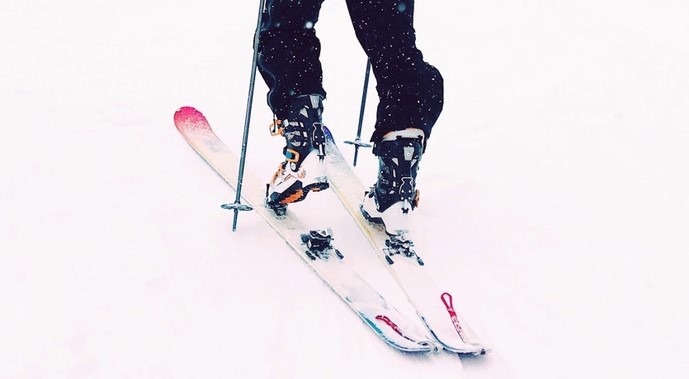
Quick answer: an alpine touring (AT) setup is four pieces that have to work together: skis (about 90-105 mm underfoot suits most Wasatch touring), bindings that let your heel lift for the climb and lock for the descent, boots with a walk mode and tech inserts, and climbing skins cut to your skis. Choose boots first, because they decide which bindings you can use, then pick bindings and skis to match how much you’ll climb versus ski.
Mtn Cult earns a commission from some links on this page at no cost to you. It never decides what we recommend. Affiliate disclosure.
Touring gear is a balance between uphill weight and downhill performance. A lighter setup climbs easier, while a heavier one skis better in deep or variable snow. Most Wasatch skiers do a mix of mellow tours and resort-style laps, which puts them in the middle. New to touring? Read our Wasatch backcountry skiing for beginners guide first. For prices, see our setup cost guide.
Step 1: Start with boots
Boots are the most important and most personal piece, so choose them first and get them fitted.
- Walk mode: a lever frees the cuff so your ankle can flex on the climb. More range of motion makes skinning more efficient.
- Tech inserts: metal fittings at the toe (and usually the heel) that clip into pin bindings. Any boot you plan to tour in needs them.
- Weight versus stiffness: light boots (roughly 1,000-1,300 g per boot) are great for long climbs. Heavier freeride touring boots (often a 120-130 flex) drive wide skis better on the way down.
- Fit: have a Salt Lake boot fitter check shell size and pressure points. A boot that hurts on a three-hour skin will ruin the day no matter how it skis.
Popular options range from light boots like the Scarpa F1 LT to all-rounders like the Scarpa Maestrale RS and Dynafit Ridge Pro to stiffer, downhill-focused boots like the Tecnica Zero G Tour Pro. See our guide to choosing backcountry ski boots and OutdoorGearLab’s backcountry boot guide.
From the Mtn Cult crew: We tour in Tecnica and Dynafit Hoji boots, but there are a lot of great options out there. Whatever you choose, get it fitted. If your boots don’t fit, you’re in for a very bad day.
Step 2: Choose your bindings
| Type | How it works | Best for | Examples |
|---|---|---|---|
| Tech (pin) | Pins at the toe grip the boot’s inserts; the heel lifts free for climbing | Most touring, from mellow to big days | ATK Raider 13, Salomon MTN Summit 12, Dynafit Speed Turn, Marker Alpinist |
| Hybrid | Pin toe for climbing, alpine-style heel for the descent | Skiers who split time between resort and backcountry, or ski hard | Salomon/Atomic Shift2, Marker Duke PT |
| Frame | The whole binding hinges at the toe | Mostly replaced by tech and hybrid bindings | Tyrolia Ambition 10 |
Things to check:
- Boot compatibility: tech and hybrid bindings need boots with tech inserts. Some hybrids also accept certain alpine soles, but check the binding’s compatibility chart.
- Release: some tech bindings are TÜV-certified to ISO 13992, the touring binding release standard. If predictable release matters to you, look for it.
- Brakes or leashes: brakes add weight but stop a runaway ski; many light bindings use leashes instead.
- Ski crampons: most touring bindings accept them, and they’re worth bringing for firm, steep skin tracks.
See our backcountry ski bindings guide and OutdoorGearLab’s AT bindings guide.
Step 3: Pick touring skis
- Width: about 85-95 mm underfoot is light and handles firm spring snow. About 95-105 mm is the do-it-all range for Wasatch powder and mixed conditions. Over 105 mm floats deep storm days but weighs more on the climb.
- Length: many skiers tour on skis slightly shorter than their resort skis for easier kick turns in tight trees.
- Construction: lighter skis use wood cores with carbon or lighter laminates. Heavier skis with metal ski more smoothly but tire you out on long climbs.
Well-reviewed options include the Rossignol Escaper 97 Nano and Head Crux 93 Pro (value), the K2 Wayback 106, Völkl Rise Beyond 96 and Atomic Backland 95 (all-rounders), and the Black Diamond Helio Carbon 95 (light), per OutdoorGearLab’s backcountry ski guide. Shop touring skis. See also types of skis and their features.
From the Mtn Cult crew: We run several setups with both tech and hybrid bindings, depending on what we’re doing that day: tech for dedicated backcountry days, and hybrid when we’re mixing resort, sidecountry and backcountry.
Step 4: Get skins cut to your skis
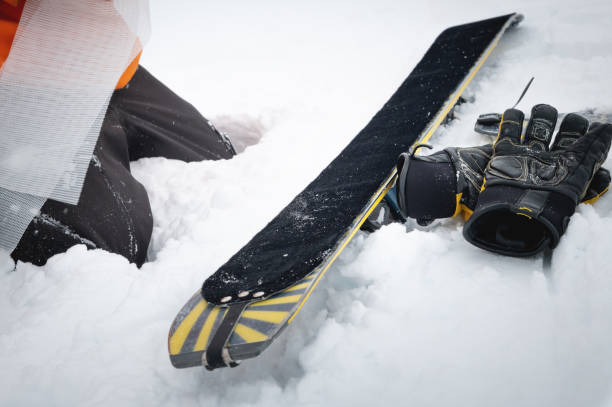
Climbing skins stick to the base of your skis and grip the snow on the way up.
- Nylon grips best and lasts longest.
- Mohair blends glide better, saving energy on long approaches.
- Fit: buy skins sized to your skis and trim them to cover the base edge to edge, leaving the metal edges exposed.
Popular picks include the Pomoca Tour Pro (mohair blend) and Black Diamond Ascension (nylon). See our guide to choosing and trimming skins.
Step 5: Round out the kit
- Adjustable poles: see backcountry ski poles.
- Avalanche rescue gear: a transceiver, shovel and probe go with you every time. See our avalanche beacon guide.
- Pack: see the best backcountry ski backpacks.
- Helmet and layers: see backcountry helmets and what to wear backcountry skiing.
- Splitboarders: see how to choose a splitboard.
Three sample Wasatch setups
| Style | Skis | Bindings | Boots | Who it’s for |
|---|---|---|---|---|
| Light and efficient | 85-95 mm, carbon | Light tech binding | Light boot with big walk range | Long days, spring missions, fitness-focused tourers |
| Wasatch all-rounder | 95-105 mm | Tech binding with brakes | All-round touring boot | Most people, most days |
| Downhill first | 105 mm+ | Hybrid (Shift2 or Duke PT) | Stiff freeride touring boot | Short tours, resort-plus-backcountry, aggressive skiers |
See what each setup costs in our backcountry setup cost guide.
From the Mtn Cult crew: We’re not too gram-conscious. We want gear that’s light but can take a beating, so we land somewhere between the Wasatch all-rounder and downhill first. It’s personal preference, though. Some people prefer the climb!
Setting it up
- Have a shop mount and adjust your bindings, including the boot sole length and release settings.
- Practice transitions at home and inside a resort before your first tour. See the resort uphill policies in our beginners guide.
- Try before you buy: University of Utah Outdoor Adventures and Park City’s White Pine Touring rent touring setups. Details are in the cost guide.
FAQ
Can I put touring bindings on my resort skis?
Yes, if the skis can be remounted, but resort skis are often heavier than you’d want for climbing.
Do I need special boots for AT bindings?
For tech and hybrid bindings, yes: your boots need tech inserts.
What width ski is best for the Wasatch?
For most people, 95-105 mm underfoot handles Utah powder and firmer days well.
Related guides
- How to choose backcountry ski boots
- Backcountry ski bindings
- Choosing and trimming climbing skins
- How much a backcountry setup costs
- How to train for backcountry skiing
Sources
- OutdoorGearLab: backcountry skis, AT bindings, backcountry boots, climbing skins
- Utah Avalanche Center gear recommendations
Some links on this page are affiliate links. Mtn Cult may earn a commission at no cost to you, and it never decides what we recommend.