How to Choose a Splitboard (and the Best Splitboards for 2026-27)
Mtn Cult earns a commission from some links on this page at no cost to you. It never decides what we recommend. Affiliate disclosure.
Quick answer: choose a splitboard about the same length as your resort powder or freeride board (a few centimeters longer if you usually ride a short freestyle board), with a rocker-camber-rocker or similar hybrid profile for Wasatch powder and firm skin tracks alike. The Jones Stratos is the most widely recommended all-rounder, the Jones Solution suits experienced riders, and the Korua Transition Finder Split is a strong value pick. Pick your binding interface (puck, Karakoram or Union) at the same time, because they aren’t interchangeable.
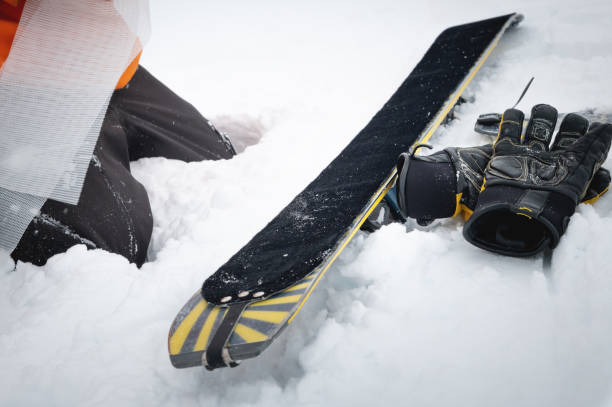
A splitboard separates into two skis for the climb, then locks back together into a snowboard for the ride down. It’s the snowboarder’s version of an alpine touring setup. Before your first tour, read our Wasatch backcountry beginners guide; the avalanche gear and training advice applies to riders too.
How we picked: these recommendations are based on current reviewer roundups from OutdoorGearLab, Switchback Travel, GearJunkie, Outside and Backcountry Magazine, plus brand specs. Prices were checked in November 2026.
Step 1: Get the size right
- Length: match your resort freeride or powder board. If you ride a freestyle board at the resort, go about 5 cm longer, according to Jones’ splitboard guide. REI suggests a few centimeters longer.
- Width: OutdoorGearLab recommends a waist that leaves 1-2 cm of boot overhang. Big feet usually need a wide (W) size.
- Weight: most splitboards weigh about 6-8 lb, per Switchback Travel. Lighter boards climb easier but cost more.
Our resort snowboard buying guide explains board sizing basics.
Step 2: Choose a shape and profile
| Profile | What it does | Best for |
|---|---|---|
| Camber | Holds an edge on firm snow and the skin track | Spring corn, firm traverses |
| Rocker | Floats in deep snow, turns easily | Storm days, tight trees |
| Hybrid (rocker-camber-rocker) | Float in front, grip underfoot | Most Wasatch touring |
Most splitboards blend camber and rocker. Powder shapes with a swallowtail or setback stance (like the Jones Hovercraft or Weston Japow) float best on deep Wasatch days.
Step 3: Pick bindings and an interface
Splitboard bindings attach to the board through an interface, and the major systems aren’t cross-compatible, so pick one system. OutdoorGearLab’s splitboard bindings guide compares them:
| Interface | Pros | Cons | Examples |
|---|---|---|---|
| Puck (Spark R&D, Voilé) | Simple, light, sheds ice | You step out to switch modes | Spark Arc, Spark Surge, Burton Hitchhiker, Voilé Light Rail |
| Karakoram | Pulls the halves together for strong board feel; switch modes without stepping out | Heavier, takes some learning | Karakoram Prime X, Nomad |
| Union | Lightest interface | Can ice up | Union Explorer, Charger Pro |
Prices run about $325 (Voilé Light Rail) to $930 (Karakoram Prime X Carbon). The Spark Arc ST ($499) is OutdoorGearLab’s best value. Hardboot setups (like Phantom bindings) are mostly for mountaineering.
From the Mtn Cult crew: We don’t splitboard much ourselves, so when it comes to choosing a binding system, talk to a local shop pro. They’ll set you up with what works for your board and boots.
Step 4: Round out the kit
- Skins: each half needs a skin. A nylon-mohair blend suits most riders, and many brands sell skins pre-cut for their boards. See our climbing skins guide.
- Collapsible poles: you’ll stow them in your pack for the ride down. Jones sizes them from 105 cm to 135 cm by rider height. See backcountry poles.
- Ski crampons: splitboarders need them sooner than skiers on firm, icy or spring snow, because the narrow halves hold less edge. Voilé’s crampons fit only Voilé bindings, so buy crampons for your binding system.
- Boots: soft snowboard boots work, and touring-specific boots with a walk mode climb better. See our snowboard boot guide.
- Avalanche gear and a pack: a transceiver, shovel and probe every time, carried in a backcountry pack that can carry a board.
The best splitboards for 2026-27
| Product | Profile | Price | |
|---|---|---|---|
| Jones Stratos SplitboardBest Overall | Rocker-camber-rocker | $1,000 | Check Price on Amazon |
| Jones Solution SplitboardExperienced Riders | Rocker-camber-rocker | $1,050 | Check Price on Amazon |
| Korua Transition Finder SplitBest Value | Deep camber | $850 | Check Price on Amazon |
| Jones Hovercraft 2.0 SplitboardPowder | Powder shape | $950 | Check Price on Amazon |
| Cardiff Goat Pro CarbonCharging | Freeride | $1,350 | Check Price on Amazon |
| Never Summer Proto SplitboardAll-Mountain | Hybrid camber | $1,120 | Check Price on Amazon |
| Jones Frontier 2.0 SplitboardFirst Splitboard | All-mountain | $850-$1,000 | Check Price on Amazon |
| Arbor Veda SplitboardWomen's Budget | Hybrid | $780 | Check Price on Amazon |
Best overall: Jones Stratos ($1,000)
Jones Stratos Splitboard
A rocker-camber-rocker freeride board that climbs well and rides predictably.
- Great all-rounder
- Top pick at Switchback
- Not cheap
Switchback Travel’s Best Overall, and OutdoorGearLab gives the Ultralight Stratos ($1,800) its top award. A rocker-camber-rocker freeride board that climbs well and rides predictably in everything from Wasatch powder to spring corn. Shop the Stratos.
Buy it if you want one board for most tours. Skip it if you’re on a tight budget.
Best for experienced riders: Jones Solution ($1,050)
Jones Solution Splitboard
Stiff and powerful, picked by OutdoorGearLab and Switchback for experts.
- Powerful
- Women's version available
- Can feel unruly for newer riders
OutdoorGearLab and Switchback both pick the Solution for experts. It’s stiff and powerful, which OutdoorGearLab notes can feel unruly for newer riders. GearJunkie names the Women’s Solution its best women’s splitboard.
Best value: Korua Transition Finder Split ($850)
Korua Transition Finder Split
OutdoorGearLab's Best Value, with deep camber for firm snow.
- Good price
- Holds an edge
- Limited sizes
OutdoorGearLab’s Best Value, with deep camber for firm snow. For a complete budget package with skins, Switchback points to the Season Pass ($799).
Best for powder: Jones Hovercraft 2.0 and Weston Japow
Jones Hovercraft 2.0 Splitboard
A small-swallowtail powder board that floats on deep Wasatch days.
- Floats in deep snow
- Less versatile on firm snow
OutdoorGearLab’s best powder board is the Hovercraft 2.0 ($950), with a small swallowtail. Switchback picks the Weston Japow ($989).
Best for charging: Cardiff Goat Pro Carbon ($1,350)
Cardiff Goat Pro Carbon
Light carbon construction for big lines and long days.
- Light
- Powerful
- Expensive
OutdoorGearLab’s pick for charging and Switchback’s best mountaineering board. Light carbon construction for big lines and long days.
Best for beginners: Jones Frontier 2.0 and Capita Navigator
Jones Frontier 2.0 Splitboard
A forgiving all-mountain board, Outside's best first splitboard.
- Forgiving
- Good value
- Less powerful at speed
Outside names the Frontier 2.0 its best first splitboard, and GearJunkie picks the Capita Navigator ($1,000) for beginners. Both are forgiving all-mountain boards.
Best women’s: Jones Women’s Solution and Arbor Veda
Arbor Veda Splitboard
GearJunkie's budget pick for women.
- Affordable
- Women's-specific
- Fewer sizes
GearJunkie’s best women’s pick is the Women’s Solution ($1,050), and its budget pick is the Arbor Veda ($780).
Made in Salt Lake
Salt Lake is home to Voilé, which helped invent splitboarding, and Chimera, which has built splitboards since 2009. Backcountry Magazine named the Chimera Hermit a 2026 Editors’ Choice.
From the Mtn Cult crew: In the Wasatch, always go with a board built for powder. And Voilé is a great local company that makes great products.
Try before you buy in Salt Lake
- Voilé store (2644 S Constitution Blvd): rents full splitboard packages (board, bindings, skins and poles) for $35 the first day and $30 each extra day, and has a demo fleet of Voilé boards. Details.
- University of Utah Outdoor Adventures: rents Voilé splitboards to students and the public. A package with boots and poles is about $50 a night for the public. Rental info.
- Salty Peaks (3055 E 3300 S) has offered splitboard rentals; call to confirm.
We’re building a full Salt Lake shop guide soon.
From the Mtn Cult crew: Our best advice for your first tours: be patient, and be respectful of everyone on the mountain.
FAQ
Should a splitboard be longer than my resort board?
About the same as your powder or freeride board, or a few centimeters longer than a freestyle board.
Can I use my regular snowboard bindings?
Only with an adapter like the Voilé Slider Track, which Switchback calls heavy and clunky. Dedicated splitboard bindings climb far better.
How much does a splitboard setup cost?
A board runs about $780-$1,350 (more for ultralight carbon), bindings about $325-$930, and skins about $170-$300. Packages can save money.
Is splitboarding harder than ski touring?
The climb is similar, but transitions take longer and narrow halves grip less on firm traverses, so practice at a resort with uphill access first.
Related guides
- Choosing and trimming climbing skins
- Best backcountry ski backpacks
- Avalanche beacon guide
- Avalanche safety courses
- What to wear in the backcountry
- How to train for backcountry skiing and snowboarding
Sources
- OutdoorGearLab, best splitboards (Mar 2026) and best splitboard bindings (Apr 2026)
- Switchback Travel, best splitboards (Mar 2026)
- GearJunkie, best splitboards (Oct 2025)
- Outside, best splitboard gear (Nov 2025)
- Backcountry Magazine 2026 Editors’ Choice
- Jones, how to choose a splitboard and splitboard poles
- REI, how to choose a splitboard
Some links on this page are affiliate links. Mtn Cult may earn a commission at no cost to you, and it never decides what we recommend.