Unveiling the Secrets of Stillwater: A Comprehensive Guide to Mastering Fly Fishing in Serene Lakes

Embark on an Unforgettable Journey into Stillwater Fly Fishing
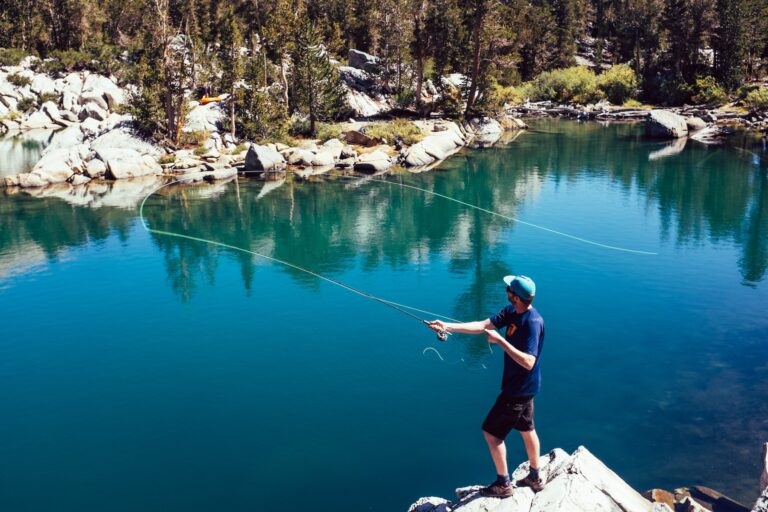
Picture a serene lake nestled amidst rolling hills, its glassy surface reflecting the vibrant hues of the surrounding landscape. In this tranquil setting, where time seems to stand still, a fascinating angling adventure awaits those who seek it – stillwater fly fishing. The allure and magic of stillwater fly fishing is undeniable. It is a captivating pursuit that demands patience, finesse, and an intimate understanding of the aquatic ecosystem.
In the world of fly fishing, stillwater refers to lakes, ponds, and reservoirs – the calm, motionless bodies of water that provide a stark contrast to the rushing currents of rivers and streams. Stillwater environments offer a unique set of challenges and rewards, making them a captivating choice for anglers looking to test their skills and immerse themselves in the tranquility of nature.
To master the art of stillwater fly fishing, one must comprehend the intricacies of these calm expanses. Each stillwater possesses its own personality, dictated by a combination of factors such as depth, vegetation, structure, and water temperature. These factors influence the distribution and behavior of fish, creating a dynamic and ever-changing environment.
As an angler, understanding the tools of the trade is essential. Fly rods and reels, lines and leaders, and an assortment of meticulously crafted flies all play a crucial role in the pursuit of stillwater success. But beyond the equipment lies the mastery of techniques – the knowledge and skills that set accomplished anglers apart.
In this comprehensive guide, we will delve into the realm of stillwater fly fishing techniques. From the moment you arrive at the water’s edge to the exhilarating battle with a trophy fish, we will explore every facet of this captivating pursuit. Whether you are a novice seeking guidance or an experienced angler looking to refine your approach, this article will equip you with the knowledge and strategies to unlock the secrets of stillwater fly fishing.
We will start by unraveling the mysteries of stillwater environments, examining the characteristics that make each body of water unique. From there, we will delve into the gear required for success – fly rods, reels, lines, leaders, and an array of flies tailored to entice the discerning tastes of stillwater fish.
But the true essence lies in the techniques employed on the water. We will uncover the art of locating fish in stillwater, deciphering the subtle clues that betray their presence. Casting techniques, retrieves, and presentation strategies will all be dissected, empowering you to execute precise and enticing presentations.
Within the realm of stillwater fly fishing, there exist specialized tactics that have proven time and again to be effective. We will explore the intricacies of chironomid fishing, streamer fishing, dry fly fishing, and nymphing in stillwater, each with its own unique set of challenges and rewards. Through these tactics, we will unravel the secrets to tempting and enticing even the most finicky of fish.
But success in stillwater fly fishing is not merely a matter of technique. It is a fusion of observation, adaptation, and perseverance. We will discuss tips for success, such as staying attuned to changing conditions, paying attention to details, and keeping a fishing journal as a valuable resource for continuous improvement.
Of course, safety is of paramount importance in any angling endeavor. We will highlight the safety considerations specific to stillwater fly fishing, including the use of personal flotation devices (PFDs), weather assessment, and adherence to local regulations.
So, whether you are standing knee-deep in a pristine mountain lake or leisurely floating in a well-stocked reservoir, prepare to embark on an unforgettable journey into the world of stillwater fly fishing. Let this comprehensive guide be your compass, your mentor, and your source of inspiration as you unlock the secrets of these calm waters. Together, we will delve into the nuances of technique, tactics, and strategy, enabling you to become a master of stillwater fly fishing. So, grab your gear, ready your fly box, and let us embark on this exhilarating adventure together.
Understanding Stillwater:
Stillwater and its significance in fly fishing
Stillwater, as the name suggests, refers to bodies of water that lack significant current or flow. These include lakes, ponds, and reservoirs, where the water remains relatively calm and undisturbed. In the realm of fly fishing, stillwater holds immense significance as it presents a unique angling environment that requires a distinct set of skills and strategies. Unlike rivers or streams, where the current helps carry the fly and present it naturally, stillwater necessitates the angler to create the illusion of movement and life in their offerings. Understanding the intricacies of stillwater ecosystems is essential to unlocking the full potential of this captivating style of fly fishing.
Characteristics of stillwater environments
To effectively navigate stillwater, one must grasp the various factors that shape these aquatic environments. Each stillwater possesses its own distinct personality, influenced by a combination of factors:
-
Lakes, ponds, and reservoirs: Stillwater environments encompass a broad range of bodies of water, from small mountain lakes to expansive reservoirs. Lakes and ponds are often natural, while reservoirs are typically man-made, created by damming rivers or streams. The size and depth of these stillwater bodies vary significantly, impacting the behavior and distribution of fish.
-
Vegetation, depth, and structure: Vegetation plays a crucial role in stillwater ecosystems, providing cover, food sources, and oxygenation. Understanding the types of vegetation present, such as lily pads, reeds, or submerged weed beds, can help identify potential fish-holding areas. Depth is another critical factor, as fish tend to congregate in specific zones based on water temperature, dissolved oxygen levels, and access to food. Structure, including drop-offs, submerged rocks, and underwater shelves, creates ambush points for fish and must be carefully targeted by the angler.
-
Water temperature and oxygen levels: Stillwater temperatures vary throughout the year, influenced by climate, depth, and sunlight exposure. Temperature affects fish metabolism, their willingness to feed, and their preferred habitat. Oxygen levels also play a vital role in fish behavior, with well-oxygenated areas attracting more active and feeding fish. Understanding the relationship between water temperature, oxygen levels, and fish activity is crucial for successful stillwater fly fishing.
By comprehending these characteristics, an angler gains insights into the preferences and habits of the fish species inhabiting a particular stillwater, allowing for more effective targeting and presentation strategies.
Understanding stillwater environments goes beyond surface-level observation. It involves studying topographic maps, consulting local fishing reports, and spending time on the water to gain a firsthand understanding of the intricacies of each location. As an angler, honing your ability to read stillwater and interpret the nuances of its ecosystem will elevate your success and bring you closer to the thrill of a well-earned catch.
In the next section, we will explore the equipment necessary for stillwater fly fishing, ensuring that you are equipped with the tools needed to tackle the challenges of this dynamic angling domain.
Equipment for Stillwater Fly Fishing:
Fly rods and reels
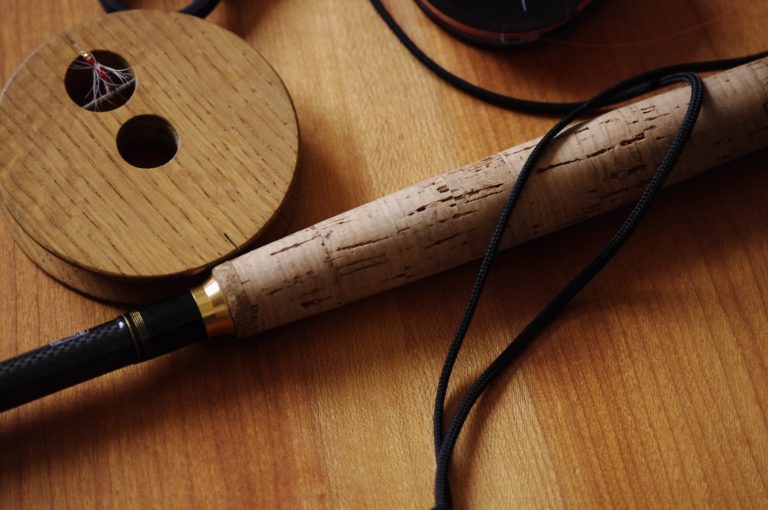
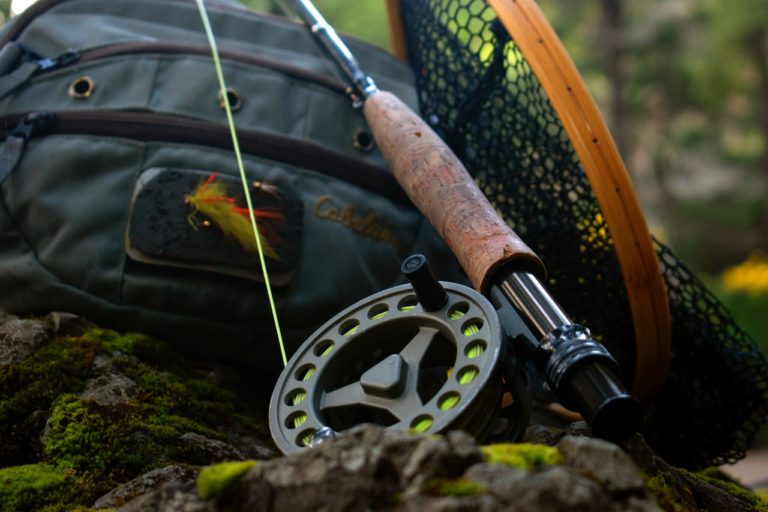
When it comes to stillwater fly fishing, selecting the appropriate fly rod and reel is crucial. Since stillwater environments typically require longer casts, a fly rod with a length of 9 to 10 feet is ideal. This extra length allows for better line control and casting distance. A medium to medium-fast action rod provides the necessary power for casting larger flies and handling bigger fish. Pair the rod with a reel that has a smooth drag system capable of handling the potential runs of strong fish found in stillwater.
Lines and leaders
Choosing the right fly line and leader setup is essential for presenting flies effectively in stillwater. A weight-forward floating line is the most commonly used line in stillwater fly fishing. It allows for precise casts and facilitates the presentation of flies at various depths. To enhance your ability to detect strikes, consider incorporating a brightly colored or fluorescent-colored floating line, which provides better visibility on the water’s surface. Leaders for stillwater should be longer than those used in rivers, typically ranging from 9 to 15 feet, and tapered to provide a smooth transfer of energy during the cast.
Flies for stillwater fishing
The selection of flies for stillwater fly fishing is vast, and it’s crucial to have a well-rounded assortment to match the varied food sources found in these environments. Some common fly categories for stillwater fishing include nymphs, streamers, dry flies, and emergers.
-
Nymphs: Nymph patterns imitate aquatic insect larvae and are incredibly effective in stillwater. Chironomids, scuds, damselfly nymphs, and dragonfly nymphs are all popular choices. Vary the size and color of your nymph patterns to match the specific insects present in the stillwater you’re fishing.
-
Streamers: Streamer patterns mimic small baitfish or larger invertebrates, and they are particularly effective for targeting predatory fish in stillwater. Woolly Buggers, leech patterns, and minnow imitations are go-to choices. Experiment with different retrieve techniques to imitate the movement of injured or fleeing prey.
-
Dry flies: While stillwater fishing is often associated with subsurface presentations, dry fly fishing can be highly productive during certain times and conditions. Pay attention to hatches and rising fish activity. Popular dry fly patterns for stillwater include various midge patterns, mayfly imitations, and terrestrial patterns such as beetles or ants.
-
Emergers: Emerger patterns represent insects transitioning from their nymphal stage to the adult form. They sit just below the water’s surface, enticing fish during hatches or when fish are actively feeding near the surface film. Various midge and mayfly emerger patterns can be effective in stillwater.
Other essential gear and accessories
Besides the core fly fishing equipment, several other items enhance the stillwater fly fishing experience:
-
Waders and boots: Depending on the water temperature, waders may be necessary to keep you comfortable and allow access to areas where wading is required. Quality wading boots provide stability and traction on slippery lake bottoms.
-
Float tubes and boats: Float tubes or inflatable boats are invaluable for stillwater fly fishing, allowing anglers to access deeper water and cover larger areas. Float tubes provide mobility and maneuverability, while boats offer additional space for gear and potential for longer outings.
-
Nets, forceps, and other tools: Carrying a landing net is essential for safely handling and releasing fish. Forceps or hemostats help remove hooks, and other tools like line clippers and knot-tying tools are indispensable on the water.
Investing in quality equipment and having a diverse selection of flies will give you the versatility and confidence to adapt to changing conditions and effectively target fish in stillwater. In the next section, we will delve into the techniques required to locate and catch fish in these serene yet challenging environments.
Stillwater Fly Fishing Techniques:
Locating Fish in Stillwater
-
Reading the water: Observing the surface of the water for signs of fish activity is crucial in locating fish in stillwater. Look for disturbances such as rises, swirls, or jumping fish. These indicate feeding patterns and can guide your fishing strategy.
-
Identifying key areas: Focus your efforts on key areas where fish are likely to congregate. Look for drop-offs, submerged structure, weed beds, and areas with a mix of shallow and deep water. These spots provide cover, food sources, and ambush points for fish.
-
Using fish finders and sonar: Utilize modern technology like fish finders and sonar to enhance your fish-finding capabilities. These devices can help identify underwater structure, locate schools of fish, and determine water depths. However, it’s important to balance technology with traditional observation to fully understand the stillwater environment.
Casting Techniques for Stillwater
-
Basic casting principles: Mastering basic casting techniques, such as the overhead cast, roll cast, and sidearm cast, is essential for effective stillwater fly fishing. Practice casting with accuracy and precision to consistently present your flies to the desired target areas.
-
Dealing with wind: Wind is a common challenge in stillwater fly fishing. To combat windy conditions, use techniques like the double-haul cast to generate more line speed and punch through the wind. Adjust your casting angle and position yourself to minimize the impact of crosswinds.
-
Roll casting and shooting line: Roll casting is a valuable technique for presenting flies in stillwater, especially when surrounded by obstacles or limited backcasting space. Learn to roll cast effectively to place your flies accurately and quietly. Additionally, practice shooting line to achieve longer casts and cover a broader range of water.
Retrieve Techniques for Stillwater
-
Slow retrieves: Stillwater fish are often more lethargic than their river counterparts, requiring slower retrieves to entice strikes. Use slow, steady retrieves to imitate injured or struggling prey. Vary the speed and pause intermittently to trigger a fish’s predatory instinct.
-
Fast retrieves: When fish are actively feeding or targeting faster-moving prey, a faster retrieve can be effective. Experiment with stripping the line quickly to impart an erratic action to your fly, mimicking a fleeing or aggressive prey item.
-
Variable retrieves: Adapting your retrieve technique based on the behavior of the fish is key to success in stillwater. Observe how fish respond to different retrieve speeds and styles. Sometimes a combination of fast strips followed by pauses can elicit strikes from curious or aggressive fish.
-
Depth control techniques: Adjusting the depth at which your fly swims can be crucial in stillwater fishing. Use techniques like counting down your fly after each cast, adding weight to your leader or line, or utilizing sinking lines to fish at different depths. Experiment with different depths until you find the zone where fish are actively feeding.
Presentation Strategies
-
Proper fly selection: Choose flies that closely resemble the natural food sources found in the stillwater you’re fishing. Pay attention to the size, color, and silhouette of the insects or baitfish in the water. Match the hatch or use attractor patterns that imitate common food sources.
-
Using strike indicators and bobbers: Strike indicators or bobbers can be valuable tools for detecting subtle strikes in stillwater. Attach them to your leader to provide a visual indication when a fish takes your fly. Adjust the depth of your fly accordingly to target fish at different water levels.
-
Adjusting depth and fly placement: Experiment with different depths and fly placements to determine where fish are feeding. Use a combination of casting distance, line control, and retrieve techniques to position your fly at the desired depth and maintain a natural presentation.
-
Matching the hatch: Pay attention to insect hatches or surface activity in stillwater. Match the size, color, and behavior of the insects present to increase your chances of enticing fish to rise to your dry flies or emergers. Observing the behavior of feeding fish can provide valuable clues about the insects they are targeting.
Playing and Landing Fish in Stillwater
-
Managing drag and tension: When hooked, fish in stillwater often make powerful runs. Maintain steady tension on the line to avoid losing fish. Adjust your drag system to ensure it is neither too loose nor too tight, allowing the fish to run while preventing the line from breaking.
-
Handling larger fish: Stillwater can be home to large fish, and landing them requires finesse. Use a net to safely secure the fish and minimize stress. Support the fish’s weight with wet hands or a net and handle it gently to avoid injury. Follow proper catch-and-release practices to ensure the fish’s survival.
-
Releasing fish responsibly: Handle fish with care and release them promptly and safely. Minimize the time fish spend out of the water, avoid squeezing or damaging their delicate fins, and revive them in the water before letting them swim away. Practicing catch-and-release helps preserve fish populations and ensures the sustainability of stillwater ecosystems.
By mastering these stillwater fly fishing techniques, you’ll be equipped to adapt to different conditions, present flies effectively, and entice strikes from elusive stillwater fish. In the next section, we will explore specialized tactics for various stillwater fly fishing scenarios, further expanding your repertoire as an angler.
Stillwater Fly Fishing Tactics:
Chironomid Fishing:
-
Understanding chironomid life cycles: Chironomids, also known as midges, are one of the most abundant insect species in stillwater environments. Understanding their life cycles is key to successful chironomid fishing. Chironomids go through stages from larvae to pupae and then emerge as adults. Matching the stage that fish are actively feeding on is crucial.
-
Indicator techniques: Chironomid fishing often involves suspending the fly at a specific depth using an indicator or bobber. This allows for precise control of the depth at which the fly is presented. Adjust the depth by changing the length of the leader or by using different-sized strike indicators. Look for subtle movements or pauses of the indicator that indicate a fish has taken the fly.
-
Depth control methods: Achieving the correct depth is vital in chironomid fishing. Use techniques such as counting down your fly after each cast or incorporating weighted patterns or sinking lines to reach the desired depth. Adjust the depth based on fish activity and observations.
Streamer Fishing in Stillwater:
-
Choosing the right streamer patterns: Streamers imitate baitfish or larger invertebrates and can trigger aggressive strikes from predatory fish. Select streamer patterns that match the prevalent forage in the stillwater, such as minnow imitations, leech patterns, or sculpin imitations. Vary the size, color, and action of your streamers to find what entices the fish.
-
Retrieve techniques for enticing strikes: Experiment with different retrieve techniques to elicit strikes from fish. Strip the line with varying speeds, imparting erratic movements to the streamer. Pause intermittently to mimic injured prey or trigger the predator response. Focus on retrieving the fly near drop-offs, along submerged structure, or around weed beds, as these areas are prime locations for predatory fish.
-
Fishing along drop-offs and structure: Predatory fish often lurk along drop-offs or near submerged structure in stillwater. Cast your streamer parallel to these features and retrieve it along the edges to entice strikes. Vary the depth and speed of your retrieve to find the most productive zone.
Dry Fly Fishing in Stillwater:
-
Matching the hatch on the water’s surface: Observing the surface activity of stillwater and identifying hatches is crucial for successful dry fly fishing. Pay attention to rising fish, insects on the water, and any signs of surface feeding. Match the size, color, and silhouette of the natural insects with your dry fly patterns to fool the fish.
-
Using imitative and attractor dry flies: Choose imitative dry fly patterns that closely mimic the insects on the water’s surface. Match the size, color, and profile of the natural insects. Alternatively, use attractor patterns that don’t precisely imitate any specific insect but create attention-grabbing movement or commotion on the water, attracting fish to strike.
-
Reading rises and taking fish on top: Pay close attention to the rises of fish on the surface. Observe the rise form, the frequency of rises, and the size of the rings left on the water. These observations can provide insights into the behavior of feeding fish and help you present your dry fly in the most enticing manner.
Nymphing Strategies for Stillwater:
-
Selecting effective stillwater nymph patterns: Stillwater nymphs imitate aquatic insect larvae and are effective at fooling fish in these environments. Choose nymph patterns that mimic chironomids, damselfly nymphs, mayfly nymphs, or other prevalent stillwater insects. Vary the size, color, and weight of your nymphs to match the conditions and fish preferences.
-
Adjusting depth and using indicators: Control the depth at which your nymphs are presented by adjusting the length of your leader or by incorporating weighted patterns. Use strike indicators to detect subtle strikes or pauses in the line. Adjust the depth based on the activity level of fish and the depth at which they are feeding.
-
Drift and retrieve techniques: Nymphing in stillwater often involves a slow and controlled drift. Cast your nymphs near structure, drop-offs, or known fish-holding areas, and allow them to drift naturally in the water. Experiment with gentle retrieves to create slight movements and attract the attention of fish.
By employing these specialized tactics, you can optimize your success in stillwater fly fishing. These strategies capitalize on the unique behavior and feeding patterns of fish in various stillwater scenarios. In the next section, we will discuss valuable tips to enhance your overall success and enjoyment in stillwater fly fishing.
Tips for Success in Stillwater Fly Fishing:
Observing and adapting to changing conditions
Stillwater environments are dynamic and constantly evolving. Stay observant and attuned to changes in weather, water temperature, wind direction, and insect activity. Adapt your strategies and fly selections accordingly. Be flexible in your approach and willing to experiment with different techniques to maximize your chances of success.
Staying patient and persistent
Stillwater fishing can test an angler’s patience. It may require multiple presentations and adjustments before finding the right combination that entices a strike. Don’t be discouraged by slow periods; instead, remain persistent and focused. Keep casting, varying retrieves, and exploring different areas until you unlock the key to success.
Paying attention to details and subtle signs
Success in stillwater fly fishing often lies in the small details. Observe the behavior of fish, the movement of insects, and the natural rhythm of the stillwater ecosystem. Look for subtle signs, such as slight rises or the presence of birds feeding on insects, which can indicate feeding fish. By paying attention to these nuances, you can fine-tune your approach and increase your chances of hooking into fish.
Keeping a fishing journal for record-keeping and learning
Maintaining a fishing journal can be immensely valuable for stillwater fly fishing. Record details such as weather conditions, water temperature, fly patterns used, retrieve techniques, and any notable observations. Over time, patterns and trends will emerge, enabling you to make more informed decisions on future outings. Your journal becomes a personal database of knowledge and a source of insights that will enhance your success on the water.
Properly managing your fly line
Stillwater fly fishing often involves long casts and delicate presentations. Ensure your fly line is clean and free of debris or tangles that can hinder your casting and accuracy. Regularly clean and dress your fly line to maintain its performance. Practice efficient line management, stripping excess line onto the water or using line baskets or stripping guards, to minimize tangles and maximize your control over the fly.
Timing your fishing outings
Consider the time of day and season when planning your stillwater fly fishing trips. Early mornings and late evenings tend to be productive periods, as fish are more active during lower light conditions. Additionally, be mindful of seasonal changes and corresponding insect hatches, as they can significantly impact fish feeding behavior.
Learning from local knowledge and experienced anglers
Seek out local knowledge and tap into the expertise of experienced anglers familiar with the stillwater you intend to fish. They can provide valuable insights into fish behavior, productive areas, preferred fly patterns, and effective techniques specific to that particular waterbody. Attend fly fishing clubs, participate in workshops, or connect with fishing guides to expand your understanding and improve your skills.
Practicing catch-and-release ethics
Conservation is of utmost importance in stillwater fly fishing. Adhere to proper catch-and-release practices to protect fish populations and their habitats. Handle fish with care, minimize their time out of the water, and use appropriate equipment to ensure their safe release. By practicing responsible angling, you contribute to the preservation of stillwater ecosystems for future generations.
By incorporating these tips into your stillwater fly fishing approach, you’ll enhance your overall experience and increase your chances of success. Remember, it’s not only about catching fish but also about immersing yourself in the beauty of the surroundings and the joy of the pursuit. In the next section, we will discuss important safety considerations that every stillwater angler should be mindful of.
Safety Considerations in Stillwater Fly Fishing:
Wearing personal flotation devices (PFDs)
Safety should always be a top priority when engaging in stillwater fly fishing. Even if you are a confident swimmer, wearing a personal flotation device (PFD) is essential. PFDs provide buoyancy and can be a lifesaver in the event of an accident, unexpected currents, or sudden changes in weather conditions. Ensure your PFD fits properly and is worn at all times while on the water.
Assessing weather conditions
Before embarking on a stillwater fly fishing adventure, thoroughly assess the weather forecast. Pay attention to wind speed, thunderstorm activity, and any severe weather warnings. Inclement weather can create hazardous conditions on the water, so exercise caution and avoid fishing during storms or when strong winds make it unsafe to be on open water.
Knowing local regulations and restrictions
Familiarize yourself with the specific regulations and restrictions governing the stillwater you intend to fish. Obtain the necessary fishing permits or licenses and adhere to catch limits, size restrictions, and any special regulations designed to preserve the fishery. Respect private property boundaries, wildlife sanctuaries, and designated no-fishing zones. Being a responsible angler ensures the sustainability of the stillwater ecosystem and maintains a harmonious relationship with landowners and other anglers.
Carrying essential safety equipment
Prepare a safety kit that includes essential items to ensure your well-being on the water. This may include a first aid kit, a whistle or signaling device, sunscreen, insect repellent, a hat, sunglasses, and adequate hydration and nutrition. Carry a fully charged mobile phone or communication device in case of emergencies. Additionally, inform someone about your fishing plans, including the location and expected duration of your outing.
Understanding water currents and hazards
Although stillwater environments may lack noticeable currents, it is important to be aware of potential hazards. Be cautious of underwater obstructions, submerged vegetation, or sudden drop-offs. If wading, carefully assess the depth and footing before taking each step. Move slowly and deliberately, using a wading staff for stability in uncertain terrain. Avoid walking on unstable ice during colder months.
Handling fishing equipment safely
Fly fishing equipment, such as sharp hooks and fly lines, can pose hazards if not handled with care. When casting, ensure you have ample space and maintain a safe distance from other anglers. Be mindful of your surroundings to avoid accidental hooking or injury. Properly secure your hooks when not in use, and use caution when removing hooks from fish to avoid injury to yourself or the fish.
Being prepared for emergencies
Accidents can happen even with the utmost caution. Prepare for emergencies by familiarizing yourself with basic first aid techniques, such as treating minor cuts, removing hooks, and providing CPR if needed. Carry a fully stocked first aid kit and know how to use its contents. Have a plan in place for summoning help in case of an emergency, and be prepared to provide accurate location information to rescue personnel.
Remember, safety should always be your foremost concern when engaging in stillwater fly fishing. By prioritizing your well-being and taking precautions, you can enjoy the pursuit of fish in a responsible and secure manner.
Stillwater fly fishing offers anglers a unique and captivating experience. Understanding the nuances of stillwater environments, utilizing appropriate equipment and techniques, and prioritizing safety considerations all contribute to a successful and enjoyable outing. Embrace the tranquility of the stillwater, immerse yourself in the beauty of nature, and let the art of fly fishing unfold before you. Tight lines and memorable moments await as you embark on your stillwater fly fishing journey.
Embrace the Tranquility: Unlocking the Beauty and Thrill of Stillwater Fly Fishing
As we come to the end of this comprehensive guide to stillwater fly fishing techniques, we hope that you have gained a deeper understanding of this captivating pursuit. Stillwater environments offer a tranquil escape where anglers can test their skills, connect with nature, and experience the thrill of hooking into elusive fish.
Throughout this article, we have explored the intricacies of stillwater fly fishing, from understanding the characteristics of these serene waters to selecting the right equipment and mastering various techniques. We delved into the art of locating fish, honing casting skills, and presenting flies with finesse. Additionally, we discussed specialized tactics such as chironomid fishing, streamer fishing, dry fly fishing, and nymphing, each tailored to the unique challenges and opportunities presented by stillwater environments.
However, stillwater fly fishing is not just about technique; it’s about embracing a deeper connection with the natural world. It’s about immersing yourself in the beauty of stillwater ecosystems, observing the subtle signs and rhythms of the water, and adapting your approach to the ever-changing conditions. It’s about honing your skills as an angler while nurturing a profound appreciation for the delicate balance of these aquatic habitats.
Success in stillwater fly fishing extends beyond the number of fish caught. It encompasses the joy of exploration, the satisfaction of mastering new techniques, and the personal growth that comes from spending time in nature’s embrace. It’s about cherishing the moments spent on the water, whether it’s witnessing a majestic rise, sharing stories with fellow anglers, or simply finding solace in the tranquility of your surroundings.
As you embark on your own stillwater fly fishing adventures, remember the tips shared in this guide. Be patient, observant, and adaptable. Embrace the challenges and relish the successes. Respect the natural environment and practice responsible angling to preserve the delicate ecosystems that sustain these magnificent fish.
Whether you’re a seasoned angler seeking to refine your stillwater skills or a newcomer to the world of fly fishing, we hope this guide has inspired and empowered you to explore the wonders of stillwater fly fishing. The journey awaits, beckoning you to discover the secrets hidden beneath the glassy surface of lakes and reservoirs.
So, gather your fly fishing gear, immerse yourself in the serenity of stillwater, and let your fly dance upon the waters. With each cast, you embark on an adventure that transcends the mere pursuit of fish. It’s a journey of self-discovery, a communion with nature, and an eternal quest for the ultimate connection between angler and fish.
May your stillwater fly fishing endeavors be filled with unforgettable moments, cherished memories, and the exhilaration of a well-earned catch. Tight lines and may your spirit soar as you become one with the timeless beauty of stillwater fly fishing.