The Best Ways to Get Ready for Ski Season
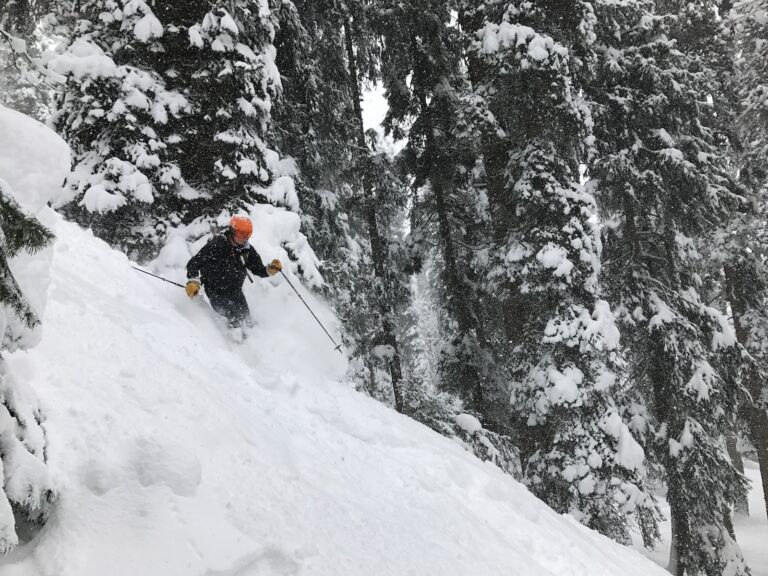
 Ski season is just around the corner, and if you’re planning to hit the slopes, it’s important to make sure you’re physically and mentally prepared for the challenges that come with it. From getting in shape to investing in the right gear, here are the best ways to get ready for ski season:
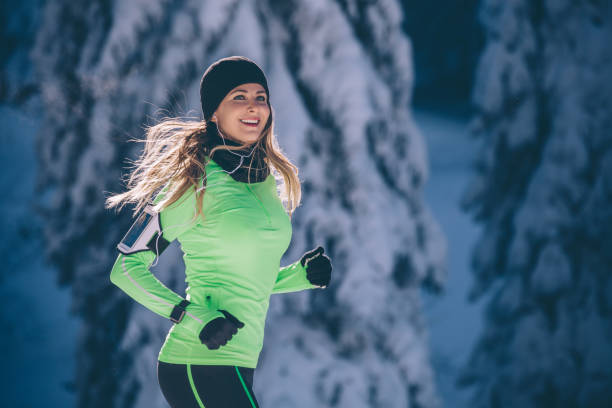
- Get in shape: Skiing can be physically demanding, especially if you’re planning to spend long days on the mountain. Start a regular exercise routine to build strength and endurance in the months leading up to ski season. This can include activities such as running, cycling, and strength training.
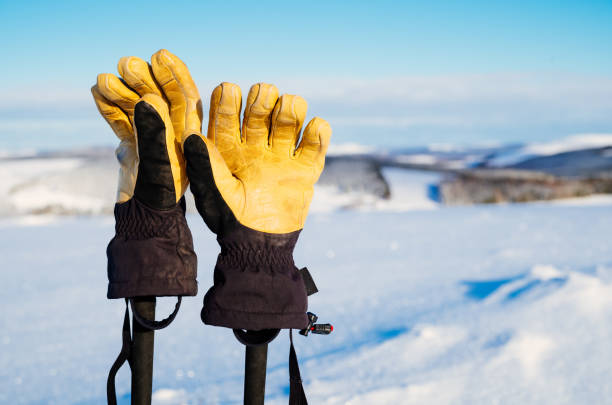
- Invest in the right gear: Make sure you have all the necessary gear for skiing, including a ski jacket, pants, gloves, goggles, and helmet. Consider purchasing new equipment if your old gear is worn out or doesn’t fit properly.
- Practice on the slopes: If you’re new to skiing or snowboarding, or if you want to brush up on your skills, consider taking a lesson or two before the ski season begins. This will help you feel more confident on the mountain and make the most of your time on the slopes.
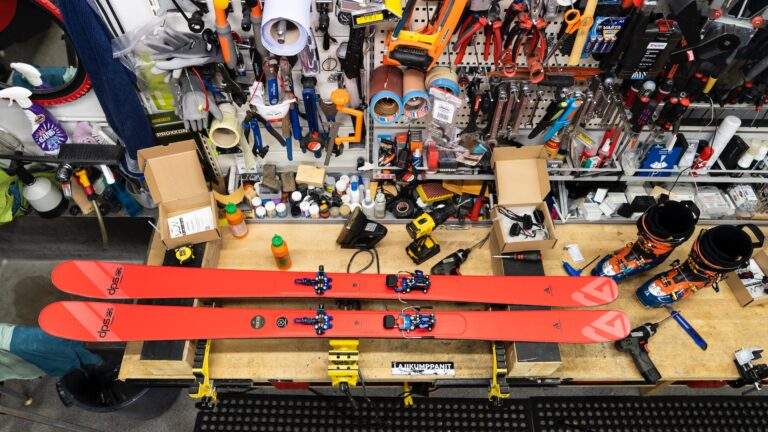
- Get your gear ready: Before you head out to the mountain, make sure all of your gear is in good working order. This includes checking the edges on your skis or snowboard and waxing them if necessary. You should also make sure your boots fit properly and are in good condition.
- Plan your trip: If you’re planning a ski vacation, be sure to book your accommodations and lift tickets in advance to get the best deals and ensure availability. Make a packing list of all the items you’ll need, such as warm clothing, sunscreen, and any other personal items.
- Stay safe: Skiing can be a fun and exciting activity, but it’s important to always ski or snowboard responsibly and within your ability level. Be sure to follow all ski resort rules and guidelines, and always ski or snowboard with a partner.
Why is it Important to Train for Ski Season
It’s important to train for ski season because skiing and snowboarding can be physically demanding activities that require strength, endurance, and balance. By getting in shape before the ski season begins, you’ll be better prepared to handle the physical demands of the sport and have a more enjoyable time on the mountain.
Skiing and snowboarding involve repetitive movements that can put strain on your muscles, joints, and cardiovascular system. By building up your strength and endurance, you’ll be able to ski or snowboard for longer periods of time without getting tired or sore. This will also help reduce your risk of injury.
In addition to physical preparation, training for ski season can also help improve your technique and overall performance on the slopes. By practicing balance and coordination exercises, you’ll be able to ski or snowboard with more control and precision.
Overall, training for ski season can help you have a safer and more enjoyable time on the mountain.
How Should I Prepare My Body For Skiing During the Off-Season
Here are some tips for preparing your body for skiing during the off-season:
- Build strength and endurance: Skiing and snowboarding require a combination of strength and endurance. To prepare your body for the demands of the sport, consider incorporating strength training exercises such as squats, lunges, and leg presses into your workout routine. You can also work on your cardiovascular endurance by doing activities such as running, cycling, or swimming.
- Practice balance and coordination: Skiing and snowboarding require good balance and coordination. To improve these skills, you can do exercises such as single leg balance, lateral lunges, and agility drills. You can also try incorporating balance training into your strength training routine by using a stability ball or Bosu ball.
- Warm up and cool down: It’s important to warm up before skiing or snowboarding to prepare your muscles for the physical demands of the sport. This can include stretching, light cardio, and dynamic movement drills. It’s also important to cool down after skiing or snowboarding to help your muscles recover and reduce your risk of soreness or injury.
- Use proper technique: Proper technique is important for skiing and snowboarding to help reduce the risk of injury and improve your performance on the mountain. Consider taking a lesson or two before the ski season begins to learn or refresh your technique.
- Stay hydrated and nourished: Proper hydration and nutrition are important for overall physical health and performance. Be sure to drink plenty of water and eat a well-balanced diet that includes plenty of fruits, vegetables, and protein to fuel your body during ski season.
What is a Good Warm Up Routine for Skiing
Here are some exercises you can include in a warm up routine for skiing:
- Dynamic stretches: Dynamic stretches involve moving your body through a full range of motion and can help prepare your muscles for the physical demands of skiing. Examples include leg swings, arm circles, and high knees.
- Cardio: Light cardio activity such as jogging or jumping jacks can help increase your heart rate and get your muscles warm.
- Squats: Squats help strengthen your legs and improve balance and coordination. You can do bodyweight squats or use a barbell or dumbbells for added resistance.
- Lunges: Lunges help strengthen your legs and improve balance and coordination. You can do forward, backward, or lateral lunges.
- Leg presses: Leg presses help strengthen your quadriceps and glutes, which are important muscles for skiing. You can use a leg press machine or do bodyweight leg presses using a stability ball or bench.
It’s important to warm up before skiing to prepare your muscles for the physical demands of the sport and reduce your risk of injury. After skiing, it’s also important to cool down with stretches and light cardio activity to help your muscles recover.
Overall, preparing for ski season requires a combination of physical and mental preparation. By following the tips outlined above, you’ll be well-prepared to handle the physical demands of the sport and have a safer and more enjoyable time on the mountain. Whether you’re a seasoned skier or a beginner, the most important thing is to have fun and stay safe. So get ready to hit the slopes and make the most of your ski season!