Beginner’s Guide to Cross-Country Skiing: Basics, Equipment and Safety Tips
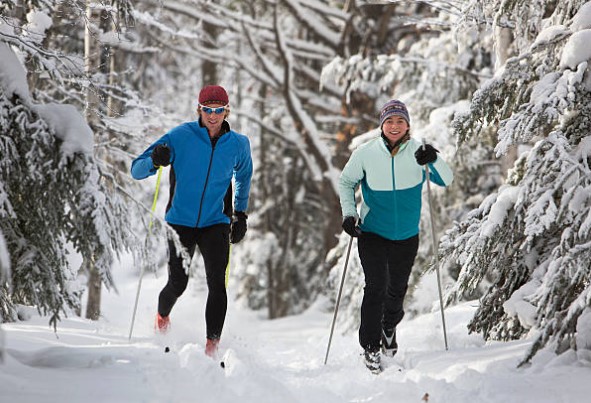 Cross-country skiing is a popular winter activity that allows you to explore the great outdoors while getting a full-body workout. Whether you’re a beginner or an experienced skier, there is something special about gliding through the snow-covered landscape.
In this beginner’s guide to cross-country skiing, we’ll cover the basics of the sport, including the different types of cross-country skiing, the necessary equipment, and important safety tips.
Types of Cross-Country Skiing
There are two main types of cross-country skiing: classic and skate skiing. Classic skiing involves a diagonal stride and is done on groomed tracks with parallel grooves. It is the traditional form of cross-country skiing and is often considered the easier of the two.
Skate skiing, on the other hand, involves a side-to-side motion similar to ice skating. It is done on groomed trails that are wider and flatter than classic tracks. Skate skiing is generally considered more strenuous and is popular among more experienced skiers.
Equipment
One of the great things about cross-country skiing is that it doesn’t require a lot of expensive equipment. However, it’s important to have the right gear to ensure a safe and enjoyable experience.
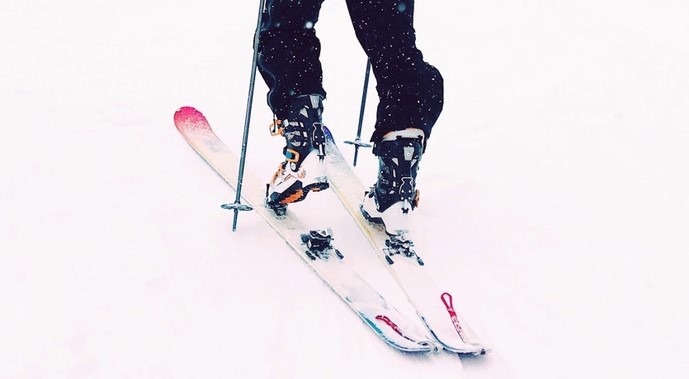
Skis
The most important piece of equipment for cross-country skiing is, of course, the skis. When choosing skis, you should consider your weight, skill level, and the type of skiing you will be doing.
For classic skiing, you will want to look for skis with a narrow waist and a long, waxless base. These skis are designed to glide smoothly on groomed tracks and can be used with either a waxless or waxable base.
For skate skiing, you will want to look for skis with a wider waist and a shorter, waxable base. These skis are designed for the side-to-side motion of skate skiing and are typically more responsive than classic skis.
There are many brands and models of cross-country skis to choose from, but some popular options for beginners include the Fischer Crown Cross Country Skis and the Rossignol Evo XC 55 Skis.
Boots and Bindings
The next piece of equipment you’ll need is a pair of cross-country ski boots. These boots are designed to be lightweight and flexible, allowing for a full range of motion while skiing.
When choosing ski boots, you should consider your foot size and shape, as well as the type of skiing you will be doing. For classic skiing, you will want a boot with a low-cut ankle and a softer flex. For skate skiing, you will want a boot with a higher-cut ankle and a stiffer flex.
In addition to ski boots, you’ll also need bindings to attach your boots to your skis. There are two main types of bindings: NNN (New Nordic Norm) and SNS (Salomon Nordic System). NNN bindings are designed for classic skiing and are generally easier to use, while SNS bindings are designed for skate skiing and are typically more responsive.
Poles
Cross-country ski poles are used to help you balance and propel yourself forward while skiing. They are typically made of aluminum or carbon fiber and come in various lengths to suit different heights and ski styles.
When choosing ski poles, you should consider your height and the type of skiing you will be doing. For classic skiing, you will want poles with a slightly longer length to help with your diagonal stride. For skate skiing, you will want shorter poles to help with the side-to-side motion.
Some popular options for cross-country ski poles include the Swix Classic Carbon Fiber Ski Poles and the Black Diamond Traverse Ski Poles.
Clothing
It’s important to dress appropriately for cross-country skiing to ensure comfort and performance. Layering is key, as you will want to be able to add or remove layers as needed to regulate your body temperature.
For the base layer, you will want to choose moisture-wicking materials such as merino wool or synthetic fibers to help keep you dry and warm. For the mid-layer, a fleece or insulated jacket or vest can provide additional warmth. And for the outer layer, a waterproof and breathable shell is essential to protect against the elements.
In addition to these layers, you will also want to wear a warm hat, gloves or mittens, and a neck gaiter or scarf to keep your head, hands, and neck warm. And don’t forget about your feet! Make sure to wear warm, moisture-wicking socks and consider investing in a good pair of ski-specific socks such as the Darn Tough Vermont Merino Wool Ski Socks or the Smartwool PhD Ski Medium Socks.
Safety Tips
Cross-country skiing is a relatively safe sport, but it’s important to follow some basic safety guidelines to ensure a smooth and enjoyable experience.
Know your limits
One of the most important safety tips for cross-country skiing is to know your limits. Don’t push yourself too hard, especially if you’re a beginner. Take breaks as needed and listen to your body.
Stay on marked trails
It’s important to stay on marked trails when cross-country skiing. Not only will this help you avoid getting lost, but it will also help protect the environment and prevent damage to the trails.
Be aware of your surroundings
It’s important to always be aware of your surroundings when cross-country skiing. Keep an eye out for obstacles such as trees, rocks, and other skiers. And be sure to watch for signs of avalanche danger if you are skiing in an area with steep terrain.
Wear appropriate safety equipment
While not required, it’s a good idea to wear a helmet when cross-country skiing, especially if you are skiing in an area with steep terrain or are prone to falls. And it’s always a good idea to carry a first aid kit and a whistle with you in case of emergencies.
Follow proper ski technique
Proper ski technique is essential for both safety and performance. For classic skiing, this includes keeping your skis parallel, using a diagonal stride, and leaning slightly forward. For skate skiing, this includes keeping your skis angled outward and using a side-to-side motion. Be sure to practice good form and seek out a ski instructor if you need additional help.
In conclusion, cross-country skiing is a fun and rewarding winter activity that is accessible to people of all ages and skill levels. With the right equipment and a bit of practice, you’ll be gliding through the snow in no time. Just remember to follow the basic safety guidelines outlined above and have fun!