Lightweight Camping Gear Essentials for Effortless Backpacking
Art of Lightweight Backpacking : A Journey to Effortless Exploration
Picture this: you’re standing at the trailhead, backpack snugly fastened, anticipation coursing through your veins as you embark on a journey into the wilderness. Every step forward takes you deeper into nature’s embrace, away from the noise of civilization, and closer to the pristine landscapes that stir your soul. Hiking, the ancient art of traversing the Earth’s most exquisite terrains, has beckoned explorers and adventurers for generations. Yet, in recent years, a subculture of hikers has emerged, a cadre of savvy wanderers who’ve discovered a secret that transforms their outdoor experiences: the world of lightweight
As someone who’s traversed trails for over four decades, I’ve witnessed a revolution in outdoor gear that has fundamentally changed the way we approach hiking and
Allure of Lightweight Backpacking
What is it about hiking that calls to us? Perhaps it’s the primal connection we feel when we immerse ourselves in untamed landscapes, the rhythm of our steps echoing the heartbeat of the Earth. Or maybe it’s the sense of self-discovery that arises when we push our physical and mental limits, revealing our true character in the face of adversity. Whatever the reason, one thing is clear: hiking is a pursuit that transcends the ordinary.
Yet, for many hikers, the allure of the trail is tainted by the heavy burden of traditional
This is where lightweight
The Evolution of Lightweight Camping Equipment
The journey to lightweight
The lightweight revolution gained traction in the 1970s, driven by innovative hikers who sought to challenge the status quo. They experimented with lighter fabrics, streamlined designs, and minimalist approaches, paving the way for a wave of change. Over time, this movement attracted the attention of manufacturers who began producing purpose-built lightweight gear, transforming the hiking landscape forever.
Today, lightweight camping equipment for
Benefits of Going Lightweight
But why should you consider transitioning to lightweight
-
Physical Comfort: A lighter load means less strain on your body, reducing the risk of fatigue, injury, and discomfort. Your shoulders, back, and knees will thank you.
-
Extended Range: Shedding weight allows you to cover more ground in less time, making it possible to explore remote destinations and embark on longer journeys.
-
Closer to Nature: When you’re not preoccupied with the weight on your back, you can fully immerse yourself in the sights, sounds, and sensations of the wilderness.
-
Freedom: With less gear to worry about, you gain a sense of liberation on the trail, enabling you to focus on the experience rather than the logistics.
-
Sustainability: Lightweight
backpacking often involves gear that has a smaller ecological footprint, aligning with the principles of Leave No Trace and responsible outdoor ethics.
In this comprehensive guide, we will explore the various aspects of lightweight
Choosing the Right Backpack
Your backpack is the literal backbone of your hiking journey, and selecting the right one is paramount for a successful lightweight
Importance of a Proper Fit
-
The Ergonomics of Comfort: An ill-fitting backpack can quickly turn a promising hike into a painful ordeal. One of the fundamental principles of
backpacking is that the load should be distributed evenly across your hips and shoulders. A properly fitted backpack ensures that weight is carried where it should be, reducing strain and fatigue. -
Sizing Up: Backpacks come in various sizes, and finding the right one depends on your torso length. Most quality backpack brands provide sizing charts to help you determine the correct fit. It’s crucial to measure your torso length accurately before making a purchase.
-
Try Before You Buy: Whenever possible, try on different backpacks at an outdoor store. Load them up with weight, walk around, and assess how they feel. Remember that comfort is subjective, and what works for one person may not work for another, so take your time in making this critical decision.
Features to Look for in a Lightweight Backpack
-
Minimalist Design: Lightweight backpacks often feature minimalist designs that eliminate unnecessary pockets, zippers, and compartments. This simplicity not only reduces weight but also enhances durability and ease of use.
-
Weight-Saving Materials: Look for packs constructed from lightweight, high-performance materials such as Dyneema, ripstop nylon, or Cuben fiber. These materials offer impressive strength-to-weight ratios.
-
Ventilation: Some backpacks include breathable back panels that reduce sweat buildup, enhancing overall comfort. Ventilated designs are particularly useful in hot and humid conditions.
-
Adjustability: While the backpack’s size should match your torso length, adjustable features like hip belt padding and shoulder strap height can fine-tune the fit for added comfort.
-
Removable Components: Many lightweight backpacks allow you to remove or customize certain components, such as the lid, to further reduce weight when it’s not needed.
Recommended Lightweight Backpack Brands
-
Osprey: Osprey is renowned for its ergonomic designs and a wide range of pack options. Their lightweight models like the Osprey Exos and Eja are popular among hikers looking to shed weight without compromising on comfort.
-
Granite Gear: Granite Gear’s Crown 2 and Blaze AC series are excellent examples of lightweight backpacks known for their comfortable carry and minimalist features.
-
Gossamer Gear: Gossamer Gear specializes in ultralight backpacks designed for long-distance hiking. Their Kumo and Gorilla packs are celebrated for their simplicity and durability.
-
ZPacks: If you’re looking for the absolute lightest options, ZPacks offers backpacks made from Dyneema Composite Fabric, boasting remarkable strength and minimal weight.
-
REI Co-op: The REI Co-op Flash series includes lightweight backpacks that are budget-friendly and suitable for those starting their lightweight journey.
Remember that the best lightweight backpack is the one that fits your body comfortably and accommodates your specific needs. Each hiker is unique, so take the time to research, try on, and test different packs to find the one that suits you best.
In the next sections of this article, we will continue to explore lightweight camping equipment for
Shelter Solutions
When the sun dips below the horizon and the night sky unfurls its tapestry of stars, your shelter becomes your sanctuary in the wilderness. For lightweight backpackers, finding the perfect balance between shelter weight and comfort is essential. In this section, we’ll explore various shelter options, sleeping systems, and the art of finding a cozy, yet minimalist home on the trail.
Ultralight Tents vs. Tarp Shelters
-
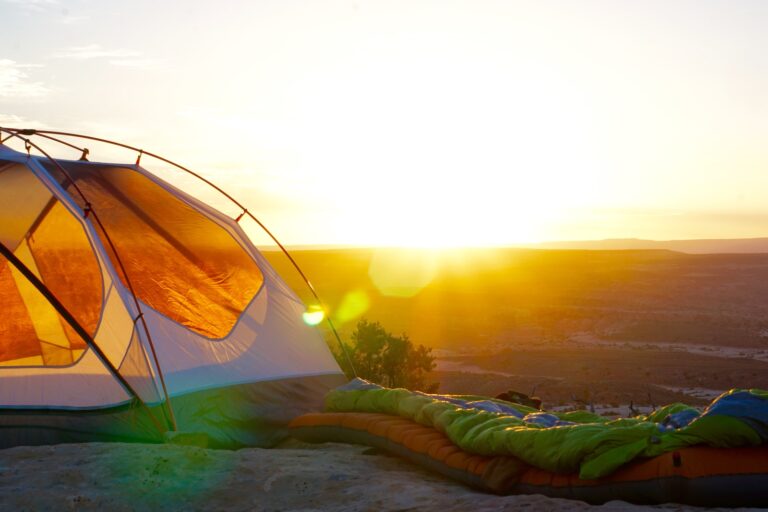
Ultralight Tents: Ultralight tents strike a balance between weight and comfort, offering protection from the elements and pests. They are typically freestanding or semi-freestanding and come in one- or two-person options. Look for tents with single-walled designs, minimalistic rainflys, and lightweight materials to keep your shelter weight down.
-
Tarp Shelters: Tarp shelters are the epitome of minimalist camping. They consist of a simple tarp or tarp-like structure that you set up using trekking poles or trees. While tarp shelters are incredibly lightweight, they require a bit more skill to set up and offer less protection from bugs and inclement weather. However, many experienced lightweight backpackers swear by the simplicity and versatility of tarp shelters.
Sleeping Systems for Lightweight Camping
-
Sleeping Bags: Lightweight sleeping bags filled with down or synthetic insulation are the go-to choice for many backpackers. Consider the temperature rating of the bag, the type of insulation, and whether it’s designed for three-season or winter use.
-
Quilts: Quilts have gained popularity among lightweight backpackers due to their weight savings and versatility. They provide insulation without the excess material found in traditional sleeping bags. Quilts are ideal for those who prefer to sleep on top of their sleeping pad rather than inside a bag.
-
Sleeping Pads: Sleeping pads not only provide comfort but also insulation from the cold ground. Opt for lightweight, inflatable pads or closed-cell foam pads, depending on your preferences and the conditions you expect to encounter.
Bivy Sacks and Their Advantages
Bivy sacks are minimalistic, waterproof shelters that fit snugly around your sleeping bag, providing an extra layer of protection against rain and moisture. They are incredibly lightweight and offer a simple, no-frills solution for those who prioritize weight savings above all else.
Hammock Camping Options
For those seeking a unique lightweight shelter experience, hammock camping is a viable option. Hammocks are lightweight, easy to set up, and can provide a comfortable night’s sleep. However, they require suitable trees or anchor points and may not be suitable for all environments.
When choosing a shelter solution for lightweight
In the next section, we’ll delve into the world of cooking and food for lightweight backpackers, exploring lightweight stove options, cookware, dehydrated meals, and meal planning tips that will keep your energy levels high and your pack weight low. After all, a well-fed hiker is a happy hiker on the trail.
Cooking and Food
As the sun sets over the wilderness, and your campsite comes to life, the prospect of a warm meal can be a source of comfort and nourishment. Lightweight
Lightweight Stove Options
-
Canister Stoves: Canister stoves are a popular choice for lightweight backpackers. They are compact, easy to use, and provide precise temperature control. Look for stoves that have a good balance between weight and performance. Brands like MSR and Jetboil offer reliable options.
-
Alcohol Stoves: Alcohol stoves are the ultralight backpacker’s best friend. They are incredibly simple, lightweight, and use denatured alcohol as fuel. While they take a bit longer to boil water compared to canister stoves, they are a minimalist’s dream.
-
Solid Fuel Stoves: Solid fuel tablets or Esbit stoves are another lightweight option. They are compact and easy to use, making them ideal for short trips or solo hikers. However, they may not be the quickest at boiling water.
-
Wood-Burning Stoves: For those who want to forgo carrying fuel altogether, wood-burning stoves are a sustainable choice. They use twigs and sticks as fuel, which you can gather at your campsite. While they require more effort to use and tend, they offer a unique connection with nature.
Choosing the Right Cookware
-
Pot and Pan: Lightweight backpackers should opt for minimalistic cookware sets that include a pot, lid, and possibly a pan. Titanium and aluminum pots are popular choices due to their low weight.
-
Utensils: Keep utensils simple with a lightweight spoon or spork. Look for long-handled options to make reaching into deep freeze-dried meal bags easier.
-
Cups and Mugs: Many backpackers prefer to drink directly from their pot to save weight, but if you prefer a separate cup or mug, there are lightweight options available.
Dehydrated and Lightweight Food Choices
-
Dehydrated Meals: Dehydrated meals are a staple for lightweight backpackers. They are lightweight, easy to prepare, and come in a variety of flavors and cuisines. Brands like Mountain House, Backpacker’s Pantry, and Good To-Go offer a wide selection.
-
DIY Dehydrating: For the ultimate lightweight experience, consider dehydrating your meals at home. This allows you to customize your food, control portion sizes, and reduce packaging waste.
-
Trail Snacks: Lightweight snacks like energy bars, nuts, dried fruits, and jerky provide quick energy boosts on the trail without adding significant weight to your pack.
Meal Planning Tips for Backpacking
-
Caloric Needs: Calculate your daily caloric needs based on the intensity of your hike and the terrain you’ll encounter. Aim for lightweight, calorie-dense foods to maintain energy levels.
-
Variety: While dehydrated meals are convenient, don’t forget to mix in some variety with snacks, nuts, and other lightweight food items to keep your taste buds happy.
-
Resupply Points: If you’re embarking on an extended hike, plan your resupply points strategically to avoid carrying excessive food. Many long-distance trails have designated resupply options.
-
Water Availability: Consider water availability when planning meals. Some dehydrated meals require more water than others, so plan accordingly to avoid running out.
-
Leave No Trace: Pack out all trash, including food wrappers and leftover crumbs. Respect Leave No Trace principles by disposing of waste properly.
By selecting the right cooking equipment, food, and meal planning strategies, you can enjoy delicious and nourishing meals on the trail without compromising your commitment to lightweight
Clothing and Layering
In the world of lightweight
Layering System for Lightweight Backpackers
-
Base Layer: The base layer is your first line of defense against moisture and helps regulate body temperature. Lightweight and moisture-wicking materials like merino wool or synthetic blends are excellent choices for base layers. Choose long-sleeve or short-sleeve options depending on the season.
-
Insulation Layer: Your insulation layer provides warmth and retains heat. Consider a lightweight down or synthetic jacket that can be easily compressed to save space in your pack.
-
Shell Layer: The shell layer protects you from wind, rain, and snow. Look for waterproof and breathable jackets that can withstand the elements without adding unnecessary weight.
Essential Clothing Items for Various Weather Conditions
-
Rain Gear: A lightweight rain jacket and rain pants are indispensable for keeping you dry during wet weather. Make sure they are breathable to prevent sweating inside.
-
Hiking Shirt: Choose lightweight, moisture-wicking shirts that provide sun protection. Long-sleeve shirts with roll-up sleeves offer versatility for different weather conditions.
-
Hiking Pants/Shorts: Opt for lightweight, quick-drying hiking pants or shorts depending on the season. Some models even offer zip-off legs to convert from pants to shorts.
-
Hat and Gloves: A wide-brimmed hat provides sun protection, while lightweight gloves keep your hands warm during cool mornings or chilly evenings.
-
Socks: Invest in high-quality, moisture-wicking socks designed for hiking. Carry an extra pair to keep your feet dry.
Multi-Purpose Clothing and Gear
-
Convertible Clothing: Some clothing items can serve multiple purposes. For example, a buff can be used as a neck gaiter, headband, or hat, reducing the need for multiple accessories.
-
Gaiters: Lightweight gaiters can protect your ankles and lower legs from debris, snow, or mud while also doubling as extra defense against ticks and insects.
-
Buff or Bandana: Besides serving as versatile headwear, these items can be used as makeshift pot holders, washcloths, or first aid bandages in a pinch.
Remember that layering is not just about staying warm; it’s also about regulating your body temperature. Lightweight clothing allows you to add or remove layers as needed to avoid sweating excessively or getting too cold. Additionally, consider the specific environmental conditions of your trip when selecting clothing items and pack accordingly.
In the following section, we will explore footwear options for lightweight backpackers, including the benefits of trail runners, selecting the right socks, and caring for your feet on the trail. Your choice of footwear can significantly impact your comfort and mobility during your outdoor adventures.
Footwear
Your choice of footwear is one of the most critical decisions you’ll make as a lightweight backpacker. The right shoes can make your journey comfortable and enjoyable, while the wrong ones can lead to blisters, discomfort, and even injury. In this section, we’ll delve into the various aspects of footwear for lightweight
Selecting Lightweight Hiking Boots or Shoes
-
Traditional Hiking Boots: Traditional hiking boots offer excellent ankle support and protection, making them a solid choice for rough, rocky terrain or extended trips with heavy loads. However, they tend to be heavier than other options and may not align with the lightweight
backpacking philosophy. -
Hiking Shoes: Hiking shoes are a middle ground between boots and trail runners. They provide more ankle support than trail runners but are lighter than traditional boots. They are a suitable choice for those who appreciate the balance of support and weight savings.
-
Trail Runners: Trail runners have gained popularity among lightweight backpackers for their comfort, agility, and low weight. They are designed for running on trails but work exceptionally well for hiking, especially on well-maintained paths. The flexibility of trail runners allows for natural foot movement, reducing the risk of blisters.
Benefits of Trail Runners
-
Lightweight: Trail runners are typically much lighter than traditional hiking boots, reducing the overall weight of your pack and minimizing fatigue.
-
Comfort: The flexibility and cushioning of trail runners provide exceptional comfort during long hikes. Their breathability also helps keep your feet cool and dry.
-
Quick Drying: Trail runners dry quickly if they get wet, making them ideal for stream crossings or wet conditions.
-
Traction: Many trail runners feature aggressive tread patterns that offer excellent traction on a variety of surfaces.
CProper Sock Choices
-
Moisture-Wicking Socks: Opt for moisture-wicking socks made of synthetic materials or merino wool to keep your feet dry and prevent blisters.
-
Sock Thickness: Choose sock thickness based on the fit of your shoes. Thicker socks may require larger shoe sizes.
-
Liner Socks: Some hikers use liner socks to reduce friction and prevent blisters. Liner socks are worn underneath your regular hiking socks.
Foot Care on the Trail
-
Proper Sizing: Ensure your footwear fits well, with enough room in the toe box to prevent toenail damage and blisters. Your shoes should feel comfortable from the start; there should be no need for a “break-in” period.
-
Blister Prevention: To prevent blisters, use techniques like “lubrication” with products like Body Glide or moleskin, and make sure your socks fit without wrinkles.
-
Foot Hygiene: Keep your feet clean and dry, especially during multi-day trips. Changing into dry socks can make a significant difference in comfort.
-
Footwear Repair Kit: Carry a small repair kit for quick fixes if your shoes or socks develop issues on the trail.
-
Rest and Recovery: Allow your feet to rest and recover during breaks. Elevate your feet to reduce swelling if necessary.
Remember that everyone’s feet are unique, and what works for one person may not work for another. It’s crucial to test different footwear options and sock combinations during shorter hikes or training outings to find the perfect fit for your feet and hiking style.
In the subsequent section, we will explore water management for lightweight backpackers, including water filtration and purification methods, collapsible water containers, and the importance of hydration during your outdoor adventures. Proper water management is essential for staying safe and comfortable on the trail.
Water Management
Proper water management is a fundamental aspect of lightweight
Water Filtration and Purification Methods
-
Filtration: Filtration systems use physical barriers to remove particles, bacteria, and protozoa from the water. Popular options include pump filters, gravity filters, and squeeze filters. These systems are effective for clear, flowing water sources but may clog or freeze in cold conditions.
-
Chemical Purification: Chemical purification methods, such as chlorine dioxide tablets or drops, are lightweight and easy to use. They effectively kill bacteria, viruses, and protozoa. However, they require a waiting period before the water is safe to drink, and some people dislike the taste.
-
UV Light Purification: UV light purifiers like SteriPEN are portable and kill microorganisms by disrupting their DNA. They are quick and effective but rely on batteries, which need to be managed on longer trips.
-
Boiling: Boiling water is a foolproof method to purify it, but it requires fuel and time. It’s an excellent backup option if your primary method fails, and it can also be used for cooking.
Collapsible Water Containers
-
Bladders: Hydration bladders, such as those made by brands like Platypus and CamelBak, are lightweight, collapsible containers that fit inside your backpack. They have a hose for easy sipping while on the move.
-
Bottles: Many lightweight backpackers prefer using lightweight water bottles for their simplicity and versatility. You can easily see how much water you have left and control your intake.
-
Collapsible Bags: Collapsible water bags are flexible containers that can be filled and hung at camp to provide a gravity-fed water source. They are especially useful for group camping.
Hydration Bladder vs. Water Bottles
The choice between a hydration bladder and water bottles often comes down to personal preference:
-
Hydration Bladder: Hydration bladders are convenient for sipping on the go without stopping. However, they require careful maintenance to prevent leaks and should be cleaned regularly to avoid mold growth.
-
Water Bottles: Water bottles are easier to fill, clean, and monitor for water consumption. They can also be used for mixing drinks, cooking, or as a hot water bottle in cold weather.
Importance of Hydration
-
Dehydration Risks: Dehydration can lead to reduced endurance, impaired judgment, and an increased risk of heat-related illnesses. In extreme cases, it can be life-threatening.
-
Electrolyte Balance: When you sweat, you lose not only water but also electrolytes like sodium and potassium. Consuming electrolyte supplements or eating salty snacks can help maintain electrolyte balance.
-
Hydration Strategies: Develop a hydration strategy that suits your hiking style. Some hikers prefer to drink small sips throughout the day, while others prefer to hydrate at rest stops.
-
Water Sources: Plan your hike with awareness of available water sources and refill points. Carry a map or guidebook that indicates water sources along the trail.
-
Emergency Reserves: Always carry enough water to get you through unforeseen circumstances, such as getting lost or experiencing equipment failure.
Effective water management is a skill that can be honed with experience. Learn to read your body’s hydration cues and adapt your water consumption accordingly. By staying adequately hydrated and employing appropriate filtration or purification methods, you’ll ensure that water remains a reliable and safe resource during your lightweight
In the next section, we will discuss essential navigation and safety considerations, including maps, compasses, GPS devices, first aid essentials, emergency communication tools, and the principles of Leave No Trace ethics to help you navigate and enjoy the wilderness responsibly.
Navigation and Safety
When you venture into the backcountry as a lightweight backpacker, ensuring your safety and staying on course are paramount. This section will delve into essential navigation tools and safety considerations that will not only help you find your way but also respond effectively to unforeseen challenges during your outdoor adventures.
Maps, Compass, and GPS Devices
-
Topographic Maps: Topographic maps provide detailed information about the terrain, including elevation, contours, water sources, and landmarks. They are indispensable for route planning and navigation.
-
Compass: A reliable compass is an essential tool for determining direction and maintaining your bearings. Learn how to use it in conjunction with your map to navigate accurately.
-
GPS Devices: GPS devices and smartphone apps equipped with GPS capabilities can be valuable for tracking your progress and pinpointing your location. However, they should not replace traditional navigation skills and tools.
-
Backup Navigation: Always carry a backup navigation method, such as a paper map and compass, in case your electronic devices fail or run out of battery.
First Aid Essentials for Backpacking
-
First Aid Kit: A lightweight first aid kit should include essentials like bandages, adhesive tape, antiseptic wipes, pain relievers, blister treatment, and any personal medications you may need. Customize it based on your specific medical needs and trip duration.
-
First Aid Training: Equip yourself with the knowledge and skills necessary to provide first aid in wilderness situations. Consider taking a wilderness first aid course to enhance your abilities.
Emergency Communication Tools
-
Satellite Communicators: Devices like SPOT, Garmin inReach, or satellite phones provide a lifeline to the outside world in remote areas. They allow you to send distress signals or communicate with emergency services when needed.
-
Personal Locator Beacons (PLBs): PLBs are compact devices that, when activated, transmit your distress signal to a global search and rescue system, alerting authorities to your location.
-
Cell Phones: While cell phone coverage can be limited in remote areas, it’s still a valuable tool for emergency communication. Ensure your phone is fully charged and carry a portable charger.
Leave No Trace Principles
-
Plan Ahead and Prepare: Research your destination, understand its regulations, and obtain necessary permits. Plan your itinerary to minimize impact on the environment.
-
Travel and Camp on Durable Surfaces: Stick to established trails and campsites to avoid trampling fragile ecosystems. Use designated cooking areas and adhere to campfire regulations.
-
Dispose of Waste Properly: Pack out all trash, including food scraps and waste. Use established bathroom facilities or follow Leave No Trace principles for digging cat holes and carrying out toilet paper.
-
Leave What You Find: Avoid disturbing plants, wildlife, or historical and cultural sites. Leave natural and cultural features as you found them.
-
Minimize Campfire Impact: Use a camp stove for cooking to minimize fire impact. If fires are allowed, use established fire rings and keep fires small.
-
Respect Wildlife: Observe animals from a distance and avoid feeding them. Store food and scented items in bear-resistant containers to prevent wildlife encounters.
-
Be Considerate of Other Visitors: Keep noise levels down, yield the trail to others, and maintain a friendly and respectful attitude toward fellow hikers.
By adhering to the principles of Leave No Trace, you not only protect the environment but also contribute to the overall safety and enjoyment of the wilderness for yourself and future generations.
In the next section, we will explore gear maintenance and repair, including basic maintenance tasks you should perform on the trail, essential repair kits and tools, and tips to extend the longevity of your lightweight
Gear Maintenance and Repair
Your gear is your lifeline in the wilderness, and keeping it in optimal condition is essential for a successful lightweight
Basic Gear Maintenance on the Trail
-
Daily Equipment Check: Begin each day with a quick inspection of your gear. Ensure that straps, buckles, and zippers are secure and functioning correctly. Address any issues promptly to prevent them from worsening.
-
Tent Care: Before setting up your tent, clear the ground of sharp objects that could puncture the tent floor. Inspect tent poles for bends or breaks and repair them as needed. Clean off dirt and debris to prevent wear and tear.
-
Footwear Maintenance: Keep your footwear clean and dry to extend their lifespan. Remove debris from your shoe treads, and let them air out at night. Address hot spots or friction points on your feet to prevent blisters.
-
Clothing Care: Inspect clothing for tears or damage and repair them with a small sewing kit. Shake out and air-dry clothing to remove sweat and odors. Keep wet and dirty clothes separate from dry items.
-
Backpack Maintenance: Check your backpack for loose straps or stitching. Inspect the frame, buckles, and zippers. Tighten loose bolts or straps as necessary.
Essential Repair Kits and Tools
-
Sewing Kit: A lightweight sewing kit with needles, thread, and patches can be a lifesaver for repairing clothing, gear, or torn tent fabric.
-
Tenacious Tape: Tenacious Tape is a durable, waterproof tape that can patch small holes and tears in tents, clothing, or gear quickly and effectively.
-
Gear Repair Patches: Carry self-adhesive patches designed for specific gear repairs, such as sleeping pad patches or tent patch kits.
-
Multi-Tool: A quality multi-tool with pliers, scissors, a knife, and other essential functions can handle a variety of repair tasks.
-
Duct Tape: Wrapped around a trekking pole or water bottle, duct tape is versatile and can temporarily fix a wide range of gear issues.
-
Zipper Repair Kit: A zipper repair kit can be a game-changer for fixing jammed or broken zippers on tents, jackets, or backpacks.
-
Super Glue: Super glue can bond various materials together and is useful for quick, temporary fixes.
Gear Longevity Tips
-
Clean and Dry Gear: Properly clean and dry your gear after each trip. Dirt and moisture can accelerate wear and tear.
-
Store Gear Carefully: Store your gear in a cool, dry place away from direct sunlight. Keep sleeping bags and down insulation items uncompressed to maintain their loft.
-
Follow Manufacturer Instructions: Abide by manufacturer guidelines for care and maintenance of your specific gear items. This can include recommended cleaning products and storage practices.
-
Regularly Inspect Gear: Perform thorough gear inspections before and after trips, and address any issues promptly to prevent further damage.
-
Learn Basic Repairs: Acquire basic repair skills and knowledge about your gear to address common issues. Many gear manufacturers provide helpful repair guides and videos.
-
Replace Worn Gear: Lightweight gear is often designed with minimalistic features, which can make it more susceptible to wear and tear. Don’t hesitate to replace items when they reach the end of their usable life.
By adopting a proactive approach to gear maintenance and carrying the necessary repair kits and tools, you’ll be better equipped to handle unexpected challenges on the trail. This not only enhances your safety but also extends the lifespan of your lightweight
In the final section of this article, we will discuss ethical considerations for lightweight backpackers, emphasizing responsible wilderness practices and the importance of leaving a minimal trace of your presence in the natural world.
Packing Tips
Packing your backpack effectively is a skill that can significantly impact your comfort and efficiency while lightweight
Importance of an Organized Packing System
-
Easy Access: An organized packing system ensures that you can easily access essential items without rummaging through your entire backpack. This is especially valuable when you need to grab gear quickly, like rain gear during a sudden downpour.
-
Reduced Stress: Knowing where everything is located reduces the stress and frustration of searching for gear when you’re tired or in a hurry.
-
Balanced Load: Proper organization can help distribute weight evenly, preventing your pack from feeling lopsided or straining your back.
-
Inventory Control: An organized system helps you keep track of your gear inventory, ensuring you don’t leave anything behind.
Packing for Different Seasons and Trip Lengths
-
Seasonal Clothing: Tailor your clothing choices to the season. In colder months, pack extra insulation layers and a warmer sleeping bag. In summer, opt for lightweight, breathable fabrics.
-
Food Planning: Plan your meals based on trip length. For shorter outings, you can carry fresh foods, while longer trips may require dehydrated or freeze-dried meals. Adjust the quantity of food accordingly.
-
Water Management: Consider the availability of water sources and carry an appropriate amount of water treatment or purification supplies. In arid environments, plan for greater water needs.
-
Gear Selection: Evaluate the specific gear needed for the season. For instance, in winter, you might require snowshoes, crampons, and an ice axe, while in warmer months, you can leave these items behind.
-
Daylight Hours: Adjust your itinerary to account for daylight hours. In winter, days are shorter, so plan for less hiking time. Conversely, summer offers more daylight for longer hikes.
Weight Distribution in Your Backpack
-
Load-Bearing Comfort: Proper weight distribution is essential for load-bearing comfort. Heavier items should be placed closer to your back and higher in the pack to maintain stability.
-
Bottom and Top Heavy: Keep the heaviest gear, such as your sleeping bag, close to the bottom of your pack. This lowers your center of gravity and enhances stability. Lighter items like clothing or a rainfly can be placed near the top.
-
Balanced Load: Distribute weight evenly from side to side. This prevents your backpack from leaning to one side and causing discomfort.
-
Accessibility: Items you may need during the day, like snacks, a map, or a rain jacket, should be easily accessible without unpacking your entire bag.
-
Compression Straps: Use compression straps to cinch down your load and minimize shifting during the hike. This stabilizes the pack and reduces the strain on your shoulders.
-
Keep Essentials Handy: Items like a first aid kit, headlamp, and multi-tool should always be within reach, either in external pockets or in the top lid of your backpack.
Remember that your gear’s weight distribution directly affects your comfort and stability on the trail. Experiment with different packing arrangements during shorter trips to find the setup that works best for your body and gear.
Mastering the art of packing is a vital skill for any lightweight backpacker. An organized packing system, tailored gear choices, and proper weight distribution are key elements in ensuring a successful and enjoyable outdoor adventure. As you continue to refine your packing skills, you’ll find that the more efficient your packing, the more you can focus on the breathtaking landscapes and experiences that await you in the wilderness.
Advanced Lightweight Techniques
As you become more experienced in the world of lightweight
Ultralight Philosophies and Strategies
-
Leave No Trace Ethic: Embrace the Leave No Trace (LNT) philosophy wholeheartedly. This not only ensures responsible outdoor practices but also encourages you to minimize the impact of your gear and footprint on the environment.
-
Multi-Use Gear: Seek gear with multiple functions to reduce redundancy. For example, your rain jacket could double as a windbreaker, or your trekking poles could serve as tent poles for a shelter.
-
Skill Development: Invest time in learning and refining essential outdoor skills such as navigation, shelter construction, and fire-making. With advanced skills, you can rely less on gear.
-
Ultralight Cooking: Experiment with no-cook or cold-soak meal options to eliminate the need for a stove and cookware. Dehydrate your meals at home to create custom lightweight
backpacking food.
Customizing Your Gear for Specific Trips
-
Gear Modding: Some experienced lightweight backpackers enjoy customizing or modifying their gear to make it even more lightweight or tailored to their specific needs. This could involve trimming straps, cutting unnecessary tags, or even sewing your gear from scratch.
-
Gear List Optimization: Create a gear list for each trip that is specific to the conditions and terrain you’ll encounter. For example, for a trip with stable weather, you might leave behind rain gear or insulation layers.
-
Ultralight Shelter Systems: Explore alternative shelter systems like tarp camping or hammock camping. These can be lighter than traditional tents when used effectively.
-
Ultralight Footwear: Consider going with minimalist or barefoot-style shoes or sandals for certain trips where the terrain is suitable. This can significantly reduce the weight on your feet.
Going “Frameless” and Other Weight-Saving Measures
-
Frameless Backpacks: Frameless backpacks, as the name suggests, lack a rigid frame. They rely on the structure of your gear and the pack’s design to maintain their shape. While these packs are typically for experienced lightweight backpackers, they can save considerable weight.
-
Ultralight Materials: Seek out gear made from ultralight materials such as Dyneema (formerly known as Cuben Fiber), titanium, or carbon fiber. These materials are incredibly strong for their weight.
-
Shared Gear: When
backpacking with a partner, share gear where possible. For example, carry a single lightweight stove instead of two, or split the weight of a tent. -
Minimalist Navigation: As your navigation skills improve, you may rely less on GPS devices and opt for maps and compasses. This can reduce battery weight and the need for electronic devices.
-
Ultralight Sleeping Systems: Explore minimalist sleeping systems, such as using a quilt or bivy sack instead of a traditional sleeping bag and tent. These options can be lighter and more versatile.
-
Ultralight
Backpacking Clothing: Invest in clothing designed for ultralightbackpacking , such as down jackets with higher fill power or ultralight rain gear made from advanced materials.
Remember that advanced lightweight techniques require careful consideration and experience. It’s essential to prioritize safety and comfort while making these weight-saving decisions. Start gradually and experiment with different strategies to find what works best for your individual preferences and the specific conditions of each trip.
By mastering these advanced techniques, you can elevate your lightweight
Embracing the Lightweight Backpacking Lifestyle
In the world of outdoor adventure, the philosophy of lightweight
Essence of Lightweight Backpacking
-
Freedom and Flexibility: The lightweight
backpacking lifestyle prioritizes freedom and flexibility. By shedding unnecessary weight and adopting minimalist principles, backpackers gain the agility to explore remote and less-traveled trails. -
Natural Connection: With a lighter load and fewer distractions, lightweight backpackers can immerse themselves fully in the sights, sounds, and sensations of the wilderness. Every step becomes a connection to the environment, fostering a deep appreciation for the natural world.
-
Responsible Stewardship: Embracing lightweight principles goes hand in hand with responsible stewardship of our planet. Leave No Trace ethics become more than just guidelines; they become a way of life, ensuring that the wild places we love remain pristine for generations to come.
Enduring Appeal of Lightweight Backpacking
-
Efficiency and Comfort: Lightweight gear choices and streamlined packing systems contribute to a more comfortable and enjoyable hiking experience. Less weight means less physical strain and more energy to savor the journey.
-
Exploration of Remote Areas: The lightweight
backpacking approach opens up opportunities to explore off-the-beaten-path destinations that may be inaccessible to those burdened by heavy packs. Remote lakes, hidden valleys, and pristine wilderness become more accessible and inviting. -
Health and Wellness: Lightweight
backpacking encourages physical fitness and wellness. The joy of hiking becomes a way to stay active and healthy while immersing oneself in the beauty of the natural world. -
Personal Growth: The challenges of lightweight
backpacking , from gear selection to navigation, offer opportunities for personal growth and self-reliance. Each trip becomes a unique journey of self-discovery and learning.
A Lifetime of Adventure Awaits
As you venture into the world of lightweight
In the spirit of lightweight
The lightweight