Sleep Soundly, Backpack Boldly: Mastering the Art of Choosing a Backpacking Sleep System
Set Yourself Up for Sleep Success: A Comprehensive Guide to Backpacking Sleep Systems
A good night’s sleep is essential for any
In this comprehensive article, we will delve into the intricacies of selecting a
The importance of a well-chosen sleep system cannot be overstated. Beyond just providing comfort, it impacts your overall well-being, energy levels, and mental clarity during your
Throughout this article, we will guide you through the process of choosing a
It’s important to note that while I draw upon my extensive experience as a
So, whether you’re a novice hiker embarking on your first overnight trek or a seasoned backpacker looking to refine your sleep system, this article is designed to be your go-to resource. By the end, you’ll have the tools and insights to select a
Understanding Sleep Systems
Definition of a sleep system
When we refer to a sleep system in the context of
Components of a sleep system
-
Shelter system: The shelter system forms the first line of defense against the elements and offers protection from rain, wind, insects, and other outdoor nuisances. The most common shelter options for backpackers include tents, hammocks, and tarps.
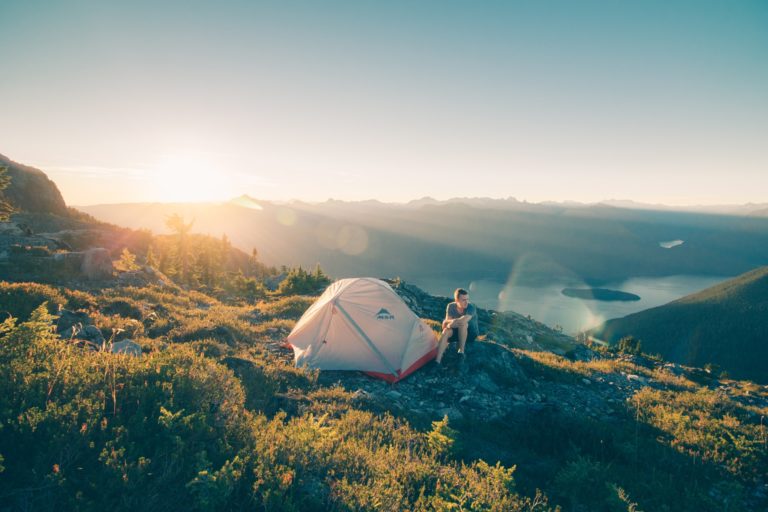
Tents are a popular choice due to their versatility and all-around protection. They come in various designs, ranging from freestanding to non-freestanding, and offer different levels of weather resistance, weight, and interior space. Consider factors such as the number of occupants, expected weather conditions, and desired comfort when choosing a tent.
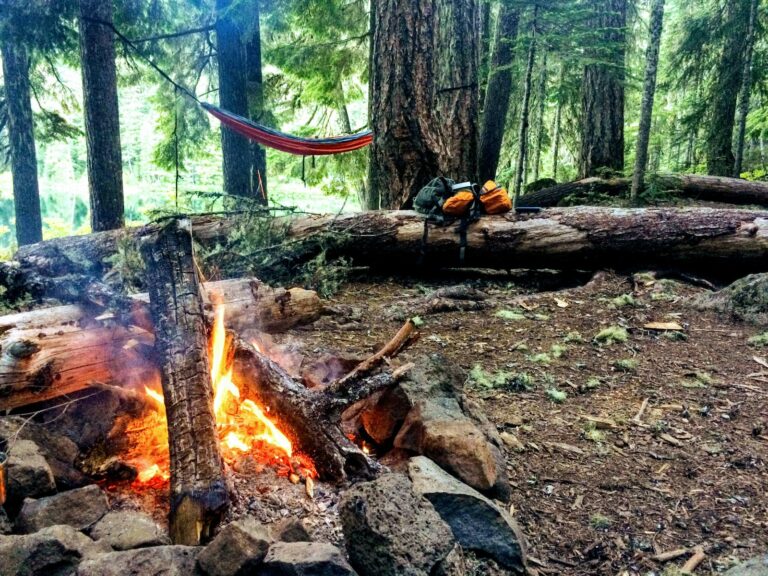
Hammocks provide a unique sleeping experience, suspending you off the ground and offering a sense of weightlessness. They are particularly appealing in forested areas with trees for hanging. However, hammocks require additional insulation beneath you for warmth and are not suitable for all terrains.
Tarps are lightweight and minimalist, providing ample protection when set up correctly. They offer great versatility and are a popular choice among ultralight backpackers. However, tarps require more skill and knowledge to set up effectively, and they may not provide as much protection in severe weather conditions.
-
Sleeping bag/quilt: A sleeping bag or quilt is responsible for providing insulation and keeping you warm during chilly nights. Sleeping bags are the traditional choice, enveloping your entire body and often featuring a hood to cover your head. Quilts, on the other hand, offer a more open design and are lighter weight, with insulation on the top side and less material underneath.
When selecting a sleeping bag or quilt, consider the temperature rating, which indicates the lowest temperature at which the gear can keep you warm. Temperature ratings are typically provided following the European Norm (EN) or International Organization for Standardization (ISO) standards. It’s important to match the temperature rating to the expected conditions of your
backpacking trip to ensure adequate warmth without overheating.Another factor to consider is the type of insulation. Down insulation is lightweight, highly compressible, and offers excellent warmth-to-weight ratio. However, it loses its insulating properties when wet and takes longer to dry. Synthetic insulation, on the other hand, retains some insulating properties when damp and dries faster, making it a more reliable choice in wet environments.
-
Sleeping pad/mattress: A sleeping pad or mattress provides cushioning, insulation, and comfort by creating a barrier between your body and the ground. It helps prevent heat loss to the ground and offers support for pressure points, promoting a more restful sleep.
There are different types of sleeping pads or mattresses to choose from. Closed-cell foam pads are lightweight, durable, and provide excellent insulation. They are resistant to punctures and ideal for minimalist backpackers or those on a budget. Self-inflating pads combine open-cell foam with an air chamber that inflates automatically when the valve is opened. They offer a good balance between comfort, insulation, and packability. Air pads are the most comfortable option, using air chambers that can be inflated manually or with a pump. They provide excellent cushioning but can be bulkier and less insulated than other options.
-
Sleepwear and accessories: Sleepwear and accessories can significantly contribute to your comfort and sleep quality. Layering your sleepwear allows you to adjust to fluctuating temperatures by adding or removing clothing layers as needed. Base layers made from moisture-wicking and insulating materials are ideal to keep you dry and warm. Mid layers can be added for extra warmth in colder conditions. Choose sleepwear that is comfortable, breathable, and suited to the expected weather.
Additional accessories such as pillows, sleep sacks, and earplugs can enhance your sleep experience. Pillows provide neck support and added comfort, while sleep sacks can add warmth and protect your sleeping bag from dirt. Earplugs can help block out noise and create a more peaceful sleep environment.
Understanding the different components of a sleep system is the first step towards choosing the right gear for your
Assessing Your Needs
Understanding the trip’s conditions and environment
Before selecting a
-
Climate: Consider the expected temperature range and weather conditions you will encounter during your
backpacking trip. Will you be hiking in hot and dry desert environments, cold alpine regions, or humid and rainy forests? Understanding the climate will help determine the level of insulation needed in your sleep system.In colder climates, you will require a sleep system that provides sufficient warmth and insulation to protect against low temperatures and wind chill. Opting for a sleeping bag or quilt with a lower temperature rating and a more insulated sleeping pad is essential.
In warmer climates, prioritize breathability and ventilation in your sleep system. Look for sleeping bags or quilts with lighter insulation or a wider temperature range. Additionally, choose a sleeping pad with features that enhance airflow and moisture-wicking properties to keep you cool and dry.
-
Terrain: The terrain you’ll be traversing plays a role in determining the most suitable shelter system for your
backpacking sleep system. If you’ll be camping in rugged, rocky areas, a sturdy and freestanding tent may be necessary to withstand the uneven ground and potential high winds. In contrast, hammocks can be an excellent option in forested regions where trees are abundant for hanging. Consider the availability of suitable anchors or tent sites when choosing your shelter system. -
Season: The time of year and the season in which you plan to backpack greatly influence your sleep system requirements. Spring and autumn trips may experience more variable temperatures, requiring a sleep system that can adapt to these fluctuations. Summer trips may require lighter sleep systems with more breathable materials, while winter expeditions demand robust insulation and protection against freezing temperatures.
Considering personal preferences and sleeping habits
Beyond the external factors, it is essential to consider your own personal preferences and sleeping habits when choosing a
-
Warmth requirements: Some individuals tend to sleep warm, while others are naturally colder sleepers. Assess your own warmth preferences to determine the appropriate temperature rating for your sleeping bag or quilt. If you tend to get cold easily, consider selecting a sleep system with a lower temperature rating or opting for a bag or quilt with additional insulation.
-
Sleeping positions: Your preferred sleeping position can influence the choice of sleeping bag or quilt shape. Mummy bags, with a tapered design and a hood, provide a snug fit and are suitable for individuals who sleep on their backs or sides. Quilts offer more freedom of movement for those who shift positions frequently or prefer to sleep on their stomachs.
-
Weight and packability concerns:
Backpacking often involves carrying gear for extended periods, making weight and packability important considerations. If you prioritize traveling light, look for sleep system components that are lightweight and compressible. Ultralight sleeping bags or quilts, inflatable sleeping pads, and compact shelters can significantly reduce the weight and bulk of your pack.
By carefully assessing the specific conditions of your trip, understanding your personal preferences and habits, and considering factors such as climate, terrain, and season, you can narrow down the options and select a
Choosing the Right Shelter System
Tent
-
Types of tents: Tents come in various types, each with its own advantages and considerations. Freestanding tents are self-supporting and easy to set up, making them convenient for all terrains. Semi-freestanding tents require staking at certain points but offer a balance between stability and weight. Non-freestanding tents rely entirely on stakes and guylines for support, providing the lightest option but requiring suitable ground conditions.
-
Factors to consider: When choosing a tent, consider factors such as weight, interior space, weather resistance, and ease of setup. Lightweight tents are ideal for
backpacking , but they may sacrifice some durability and space. Assess the number of occupants the tent can accommodate comfortably and whether it provides adequate headroom and storage for gear. Look for features like a rainfly, waterproof materials, and sturdy construction to ensure the tent can withstand harsh weather conditions.
Hammock
-
Advantages and disadvantages: Hammocks offer a unique sleeping experience, providing comfort and a sense of freedom in the outdoors. They keep you off the ground, away from potential critters and uneven terrain. Hammocks are generally lightweight and compact, making them suitable for
backpacking . However, they require trees or suitable anchors for setup, limiting their usability in certain environments. -
Choosing the right hammock: Consider the size and weight capacity of the hammock to ensure it can comfortably accommodate your body. Look for additional features like mosquito netting, rainfly, and suspension system, which can enhance comfort and protection. Ensure the hammock is made from durable and breathable materials for longevity and comfort.
Tarp
-
Benefits of using a tarp: Tarps provide a lightweight and minimalist shelter option, favored by ultralight backpackers. They offer versatility in setup, allowing various configurations to adapt to changing conditions. Tarps are highly packable and easy to carry, making them ideal for those prioritizing minimal weight and bulk.
-
Tarp configurations and considerations: Learn different tarp configurations such as A-frame, lean-to, or pyramid setups, which offer varying levels of protection and coverage. Consider the size and shape of the tarp, as well as the material used, to ensure it provides sufficient shelter from rain and wind. Additionally, carry appropriate guylines and stakes to secure the tarp effectively.
Choosing the right shelter system for your
In the next section, we will explore the selection process for sleeping bags or quilts, an essential component of your sleep system. By understanding temperature ratings, insulation types, and design considerations, you’ll be better equipped to choose the right sleeping bag or quilt for a restful night’s sleep in the backcountry.
Selecting the Ideal Sleeping Bag/Quilt
Temperature rating
-
Understanding EN/ISO temperature ratings: Sleeping bags and quilts are assigned temperature ratings based on the European Norm (EN) or International Organization for Standardization (ISO) standards. These ratings provide an indication of the lowest temperature at which the sleep system can keep you warm.
-
Matching temperature rating to trip conditions: Consider the expected temperature range of your
backpacking trip and choose a sleeping bag or quilt with a temperature rating that matches those conditions. It’s important to select a sleep system that offers sufficient insulation to keep you warm but avoids excessive insulation that may cause overheating.
Insulation types
-
Down insulation: Down insulation, typically made from the soft plumage of ducks or geese, offers excellent warmth-to-weight ratio and compressibility. It provides superb loft and insulation, trapping warm air effectively. However, down insulation loses its insulating properties when wet, so it’s crucial to keep it dry in damp conditions.
-
Synthetic insulation: Synthetic insulation, often made from polyester fibers, is a reliable choice for
backpacking sleep systems. It retains some insulating properties even when wet and dries relatively quickly. Synthetic insulation is also hypoallergenic and more affordable than down insulation.
Bag/quilt shape and design
-
Mummy bags: Mummy bags are popular among backpackers for their efficient design and heat retention. They have a tapered shape that closely wraps around the body, reducing air space and preventing cold spots. Mummy bags often feature hoods that can be cinched around the head for added warmth.
-
Quilts: Quilts offer a more open design without a full hood or back, allowing for more freedom of movement. They are lighter weight and can be a versatile option for those who tend to feel confined in mummy bags. Quilts are typically secured to sleeping pads or mattresses using straps or clips to prevent drafts.
-
Rectangular bags: Rectangular sleeping bags are more spacious and offer greater freedom of movement. They are suitable for individuals who prefer a less constricting sleep experience. However, rectangular bags tend to have more air space, which can reduce overall warmth.
Weight and packability considerations
Weight and packability are crucial factors, especially for backpackers who prioritize traveling light. Look for sleeping bags or quilts made from lightweight materials and with efficient compressibility. Down insulation is known for its excellent packability, while synthetic insulation can also provide a good balance between weight and insulation properties.
Zipper options and features
Consider the zipper options and features of the sleeping bag or quilt. Full-length zippers offer easier entry and exit, as well as the option to vent for temperature regulation. Additionally, features like draft collars, draft tubes, and insulated hoods can enhance the warmth and comfort of your sleep system.
Choosing the right sleeping bag or quilt is essential for a comfortable and warm night’s sleep in the backcountry. Assess the temperature rating, insulation type, shape, weight, packability, and features to find the sleep system that best suits your needs and the conditions of your
In the next section, we will explore the selection process for sleeping pads or mattresses, which provide insulation, cushioning, and support. By understanding the different types, insulation properties, and comfort features, you’ll be able to make an informed choice for optimal sleep comfort during your outdoor adventures.
Finding the Right Sleeping Pad/Mattress
Types of sleeping pads/mattresses
-
Closed-cell foam pads: Closed-cell foam pads are lightweight, durable, and provide excellent insulation. They are made from dense foam that does not absorb water, making them suitable for wet conditions. These pads are resistant to punctures and offer insulation even when compressed. However, they can be less comfortable compared to other options due to their firmness.
-
Self-inflating pads: Self-inflating pads are a popular choice among backpackers due to their combination of comfort, insulation, and packability. They consist of open-cell foam with an air valve that allows the pad to self-inflate. They offer a good balance between cushioning and insulation and can be adjusted by adding or releasing air. Self-inflating pads provide a moderate level of comfort and insulation, making them suitable for various climates and terrains.
-
Air pads: Air pads provide the highest level of comfort and cushioning among sleeping pad options. They use air chambers that can be inflated manually or with a pump. Air pads are lightweight, packable, and offer adjustable firmness. However, they provide less insulation than foam pads and can be more susceptible to punctures.
Insulation and R-value
The insulation property of a sleeping pad or mattress is measured by its R-value. The R-value indicates the pad’s resistance to heat transfer and is an important consideration for colder conditions. Higher R-values indicate better insulation. Consider the expected temperatures of your
Size and weight considerations
Weight and size are crucial factors to consider when selecting a sleeping pad or mattress, especially for backpackers aiming to minimize pack weight and volume. Look for lightweight and compact options that can be easily packed and carried in your backpack without adding excessive weight. Consider the pad’s dimensions to ensure it provides adequate coverage and comfort for your body.
Inflation and comfort features
-
Inflation methods: Some sleeping pads require manual inflation, while others offer integrated pumps or valves for quick and easy inflation. Consider the convenience and efficiency of the inflation method based on your preferences and the conditions in which you’ll be using the pad.
-
Comfort features: Look for additional comfort features that can enhance your sleep experience. This may include contoured or textured surfaces for better body support and grip, built-in pillows or pillow attachments, and noise-reducing materials to minimize the rustling sounds when shifting positions during sleep.
Finding the right sleeping pad or mattress is essential for a comfortable and well-insulated sleep system. Consider the type of pad, insulation properties, size, weight, and inflation methods that align with your
In the following section, we will explore sleepwear and accessories that contribute to your overall sleep comfort in the backcountry. From base layers to footwear and sleep accessories, we’ll provide insights and considerations to help you create a comprehensive sleep system for optimal rest and rejuvenation during your
Sleepwear and Accessories
Layering for sleep
-
Base layers: Base layers play a crucial role in regulating body temperature and moisture management during sleep. Choose moisture-wicking fabrics, such as merino wool or synthetic materials, which help draw sweat away from the body and keep you dry. Base layers should provide a good balance of insulation and breathability, depending on the expected temperatures. Consider long-sleeve tops and bottoms or opt for lightweight options for warmer climates.
-
Mid layers: In colder conditions, adding a mid layer can provide extra warmth. Fleece jackets, down or synthetic insulated jackets, or lightweight puffy vests are excellent options to layer over your base layers. These garments trap body heat and provide additional insulation. Look for lightweight and compressible mid layers that can be easily packed and offer versatility for varying temperature fluctuations.
Footwear choices
Footwear choices for sleep can depend on personal preference and the conditions you’ll be sleeping in. Some backpackers prefer to sleep in their hiking boots or trail shoes, as they offer added protection and convenience if nature calls during the night. However, sleeping in footwear can restrict blood circulation and be uncomfortable for some. If you choose to sleep without footwear, ensure the area is clear of sharp objects or uncomfortable terrain. Carrying a pair of lightweight camp shoes or sandals can provide comfort and allow your feet to breathe during sleep breaks or when moving around camp.
Headwear options
A headwear choice depends on personal preference and the temperature conditions you’ll be experiencing. In colder weather, wearing a beanie or a thermal hat can help retain heat and keep you warm during sleep. In warmer climates, a lightweight and breathable hat or headband can help keep hair away from your face and provide a level of comfort.
Sleep accessories
-
Pillows: Pillows can significantly enhance your sleep comfort in the backcountry. There are various options available, including inflatable pillows, compressible foam pillows, or using extra clothing as makeshift pillows. Consider the packability, weight, and level of support that the pillow provides to suit your preferences.
-
Sleep sacks: Sleep sacks, also known as sleeping bag liners, can add warmth, protect your sleeping bag from dirt, and provide a hygienic layer between you and the sleeping bag. They come in various materials, such as silk, cotton, or synthetic fabrics. Choose a sleep sack that is lightweight, breathable, and easy to clean.
-
Earplugs: If you’re a light sleeper or camping in noisy environments, earplugs can be a game-changer. They help reduce noise disruptions, allowing you to sleep more soundly. Look for earplugs that offer a comfortable fit and effective noise reduction.
Consider your personal preferences, anticipated weather conditions, and the level of comfort you desire when selecting sleepwear and accessories. Layering with moisture-wicking base layers and adding appropriate mid layers can help regulate body temperature. Choose footwear options that suit your comfort level, and consider headwear to protect against cold or keep hair away from your face. Sleep accessories like pillows, sleep sacks, and earplugs can enhance your sleep quality, providing added comfort and a peaceful environment.
In the next section, we will explore the process of testing and evaluating your sleep system, allowing you to make necessary adjustments and ensure a successful night’s sleep during your
Testing and Evaluating Your Sleep System
Setting up and practicing with your sleep system
Before heading out on a
Set up your sleeping pad or mattress and test its inflation or self-inflation features. Experiment with different levels of firmness and positioning to find the most comfortable setup for your sleep preferences. Practice inflating and deflating your pad to ensure efficiency and ease of use.
Spend some time in your sleeping bag or quilt, paying attention to the fit, insulation, and overall comfort. Test different sleep positions and assess whether the sleep system accommodates your preferred sleeping style.
Making adjustments based on trial runs and personal experience
It’s highly recommended to go on trial
If you find that your sleep system doesn’t provide adequate insulation or comfort in colder temperatures, consider adding an extra layer of clothing or upgrading to a warmer sleeping bag or quilt. If your tent or shelter system doesn’t offer sufficient protection against rain or wind, explore additional accessories or alternative configurations to enhance weather resistance.
Take note of any issues you encounter during these trial runs and make the necessary adjustments. This may involve replacing certain components, investing in additional gear, or fine-tuning your setup techniques.
Personalizing your sleep system
Every individual has unique sleep preferences and requirements. Pay attention to what works best for you and make personalized adjustments to optimize your sleep system.
Experiment with different combinations of sleepwear to find the right level of comfort and warmth for your body. Adjust layering techniques and materials based on the specific weather conditions you anticipate.
Explore additional sleep accessories that align with your comfort preferences. You may find that using a specific type of pillow, sleep sack, or earplugs significantly enhances your sleep quality. Personalization allows you to create a sleep system tailored to your needs and ensures a more enjoyable and restful experience in the backcountry.
Regular testing, evaluation, and personalization of your sleep system will help you refine its components and optimize your overall sleep comfort. Through trial runs and adjustments based on your experiences, you can create a setup that caters to your unique preferences and provides a reliable and comfortable night’s sleep during your
In the next section, we will explore essential maintenance and care tips to extend the lifespan of your sleep system, ensuring its longevity and performance for future trips.
Maintaining and Extending the Lifespan of Your Sleep System
Proper cleaning and storage of sleeping bag/quilt
To maintain the performance and lifespan of your sleeping bag or quilt, it’s crucial to follow proper cleaning and storage practices.
-
Cleaning: Check the care instructions provided by the manufacturer for specific cleaning recommendations. In general, avoid machine washing unless explicitly stated as safe. Instead, spot clean dirty areas using mild soap and water. If necessary, use a front-loading washing machine on a gentle cycle with a specialized down or synthetic insulation detergent. Rinse thoroughly and dry according to the manufacturer’s instructions.
-
Storage: Store your sleeping bag or quilt in a loose and uncompressed state to maintain its loft and insulation properties. Avoid storing it in a compression sack for extended periods, as this can compress the insulation and reduce its effectiveness over time. Instead, use a breathable storage sack or hang it in a dry and well-ventilated area.
Care and maintenance of sleeping pads/mattresses
Proper care and maintenance of your sleeping pad or mattress will help extend its lifespan and ensure optimal performance.
-
Cleaning: Follow the manufacturer’s instructions for cleaning your sleeping pad or mattress. In general, wipe it down with a damp cloth and mild soap to remove dirt and debris. Avoid using harsh chemicals or abrasive cleaners that can damage the surface.
-
Patching punctures: If your sleeping pad develops a puncture or leak, patch it promptly to maintain its functionality. Most sleeping pads come with patch kits or repair materials. Clean the area around the puncture, apply the adhesive, and attach the patch following the instructions provided by the manufacturer.
-
Inflation and deflation: Inflate and deflate your sleeping pad carefully, avoiding excessive force that could strain the valves or seams. Follow the manufacturer’s guidelines for proper inflation levels, and avoid overinflating, as it can put unnecessary pressure on the pad.
-
Storage: When not in use, store your sleeping pad or mattress in a dry and clean environment. Roll or fold it as recommended by the manufacturer, and avoid sharp objects or surfaces that could puncture or damage it.
Longevity tips for shelter systems and accessories
To prolong the lifespan and functionality of your shelter system and accessories, consider the following tips:
-
Cleaning: Regularly clean and dry your shelter system to prevent mold, mildew, and odors. Ensure that all components are thoroughly dry before storing them to prevent moisture-related damage.
-
Inspect and repair: Routinely inspect your shelter system for any signs of wear and tear, including damaged zippers, torn fabrics, or weakened seams. Repair or replace components as needed to maintain the integrity of the shelter system.
-
Proper storage: Store your shelter system and accessories in a clean and dry environment. Ensure that all components are fully dry before packing them away to prevent mold or mildew growth. Use storage sacks or bags to keep them organized and protected from dust and debris.
-
Avoid excessive strain: Handle your shelter system with care, avoiding excessive strain or force during setup or takedown. Properly stake and tension your tent or tarp to distribute the load evenly and reduce stress on the fabric and poles.
By implementing proper maintenance and care practices, you can extend the lifespan of your sleep system and ensure its optimal performance for future
In the final section, we will recap the key considerations discussed throughout the article and emphasize the importance of choosing a
Restful Nights, Unforgettable Adventures: Crafting Your Perfect Backpacking Sleep System
Selecting the right
When choosing a shelter system, consider the climate, terrain, and season of your
Sleeping bags or quilts are responsible for providing insulation and warmth during the night. Assess the temperature rating, insulation type, shape, and weight to find the sleep system that matches the anticipated weather conditions and personal preferences. Understanding the pros and cons of down and synthetic insulation will help you make an informed decision.
Sleeping pads or mattresses offer cushioning, insulation, and support. Choose a type that suits your needs, considering factors such as weight, packability, insulation properties, and comfort features. Test and adjust the inflation levels to find the right balance between support and firmness.
Sleepwear and accessories contribute to overall sleep comfort. Layering with moisture-wicking base layers, choosing appropriate footwear, and considering headwear can enhance your sleep experience in varying temperatures. Personalize your sleep system by experimenting with pillows, sleep sacks, and earplugs to find the combination that provides optimal comfort and tranquility.
Regularly test and evaluate your sleep system through trial runs and adjust based on personal experiences. Practice setting up your shelter, familiarize yourself with the equipment, and make necessary adjustments to ensure a secure and comfortable sleep environment. Personalize your sleep system by fine-tuning the components and incorporating accessories that align with your preferences.
Maintaining and extending the lifespan of your sleep system is crucial for long-term performance. Follow proper cleaning and storage practices for your sleeping bag or quilt, sleeping pad or mattress, and shelter system. Repair any damages promptly and inspect for wear and tear regularly. By caring for your equipment, you’ll maximize its longevity and ensure reliable performance for future
Remember, a well-chosen
As you embark on your